Beatbox at Various Tempos
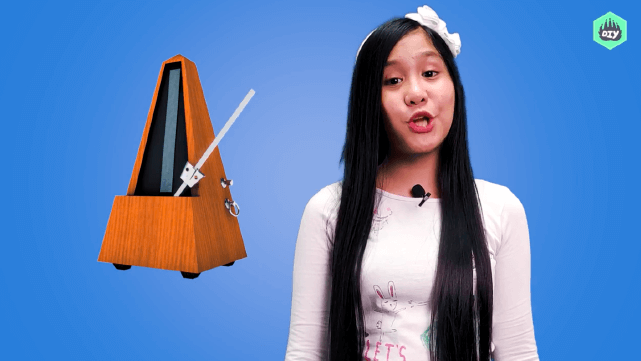
Practice simple beatbox patterns at slow, medium, and fast tempos using a metronome or hand claps, improving rhythm, timing, and breath control.
About this activity
Practice simple beatbox patterns at slow, medium, and fast tempos using a metronome or hand claps, improving rhythm, timing, and breath control.
What you need
Step by step
- 1
Step 1
Find a quiet spot and stand or sit up straight so you can breathe easily.
- 2
Step 2
Take five slow deep breaths in through your nose and out through your mouth to warm up.
- 3
Step 3
Do ten gentle lip buzzes or hums to loosen your lips and throat.
- 4
Step 4
Choose a simple beatbox pattern to practice like "B t k" where B = a bass "buh" sound t = a "ts" hi‑hat k = a "kah" snare.
- 5
Step 5
Set your metronome to a slow tempo around 60 BPM or ask someone to clap slowly for the beat.
- 6
Step 6
Perform the chosen pattern along with the slow beat for one minute, keeping each sound clear.
- 7
Step 7
Rest and sip water for 30 seconds to recover your breath.
- 8
Step 8
Set your metronome to a medium tempo around 100 BPM or ask your helper to clap at that speed.
- 9
Step 9
Perform the pattern at the medium tempo for one minute, focusing on timing and consistent sound quality.
- 10
Step 10
Rest for 30 seconds and take two deep calming breaths.
- 11
Step 11
Set your metronome to a fast tempo around 140 BPM and perform the pattern for 30 to 45 seconds using short controlled breaths.
- 12
Step 12
Practice switching between slow medium and fast every eight beats for two minutes to improve smooth transitions.
- 13
Step 13
Share your finished beatbox practice on DIY.org.
Fun facts
How do I teach my child to beatbox at different tempos?
Start with one simple pattern (kick = “b”, hi-hat = “t”, snare = “k” or “pf”). Use a metronome or steady hand claps. Have them play the pattern slowly so each sound is clear, then increase to medium and fast only after accuracy is steady. Count aloud in four-beat phrases, breathe between phrases, and encourage relaxed lips and jaw. Repeat short focused runs, record short clips, and praise steady timing rather than speed.
What materials do I need to practice beatbox tempos with my child?
You need a metronome or metronome app (or steady hand claps), a quiet space, a mirror to check mouth shape, and a water bottle for hydration. Optional: smartphone to record practice, headphones for listening, and simple note paper to write patterns. No special instruments are required — only patience and short practice sessions to build breath control and coordination.
What ages is beatboxing at various tempos suitable for?
Basic beatbox exercises suit children about 6 years and up who can follow a steady beat and take controlled breaths. Younger kids (4–5) can try very simplified sounds and call-and-response games. Supervise all ages to avoid overexertion of the throat, and keep sessions short (5–15 minutes) while focusing on fun and gradual progress rather than speed.
What are the benefits of practicing beatbox patterns at slow, medium, and fast tempos?
Practicing at varied tempos improves rhythm, timing, and breath control while strengthening oral-motor coordination and listening skills. It builds confidence, concentration, and sequencing ability useful for music and speech. Short, regular practice also supports lung control and stamina. Always include rest breaks, encourage relaxed technique, and stop if the child feels strain or discomfort to keep the activity safe and enjoyable.
Watch & Learn
Need help?
If I don't have a metronome, what can I use instead to keep the beat for steps 5, 8, and 10?
Use a free smartphone metronome app or ask a helper to clap slowly or steadily as suggested in steps 5 and 8, or tap a pencil on a table at the target BPM for step 10.
What should I do if my sounds are muffled or I run out of breath at the fast tempo (step 9 and 10)?
Focus back on the warmup from step 3 and the breathing in step 1, take the 30-second water/rests in steps 6 and 9, shorten phrases at 140 BPM, and practice lip buzzes to clear and control each 'B t k' sound.
How can I adapt this activity for different ages or skill levels?
For younger children shorten each tempo segment to 30 seconds and keep to 60 and 100 BPM with a helper clapping (steps 5 and 8), while older kids can try faster tempos like 160 BPM, longer runs, and more complex patterns in step 4.
How can we extend or personalize the beatbox practice before sharing on DIY.org?
Invent new patterns beyond 'B t k' from step 4, practice switching tempos every eight beats for longer than two minutes in step 11, record layered takes or add simple background music, then edit and upload your favorite take to DIY.org as in the final step.