Wind shear is the variation in wind speed and direction at different altitudes, critically impacting weather, aviation, and pollutant dispersion.

Set reading age
View for Kids
Easy to read and understand
View for Students
Clear, detailed explanations
View for Scholars
Deep dives and big ideas
Wind shear is when the wind changes speed or direction over a short distance 💨. Imagine you’re riding a bike, and suddenly the wind blows from a different direction, making it harder to pedal! Wind shear happens in the atmosphere and can affect planes while flying. It can occur close to the ground or high up in the sky ⛅. This phenomenon is important for pilots to understand so they can safely take off and land their airplanes. Wind shear can be caused by storms, weather fronts, or even flying over mountains. Learning about wind shear helps keep us safe!
Wind shear can have significant effects on aviation ✈️. If a plane encounters wind shear unexpectedly, it may lose lift or altitude quickly, making it harder for the pilot to control. This can be especially dangerous during takeoff and landing, so pilots are trained to handle these situations. Sometimes, airports have special warning systems to alert pilots about wind shear conditions ⛅. Understanding wind shear helps ensure a safer flying experience for everyone on board. So, when you see a plane in the sky, remember that pilots are watching out for these changing winds!
There are two main types of wind shear: vertical and horizontal. Vertical wind shear occurs when the wind speed or direction changes from the ground to higher altitudes ⛰️. Pilots experience this during takeoff and landing. Horizontal wind shear happens when the wind direction changes over a short distance on the same level, like when flying into a different air mass 🌪️. Both types can be dangerous, especially during storms or in certain weather conditions. Understanding these types helps pilots prepare for changing winds and keep passengers safe!
Wind shear is when the wind changes its direction or speed quickly 📈. This can happen horizontally (side to side) or vertically (up and down). Imagine being in a big open field and feeling the wind blowing in one direction, then suddenly the wind changes direction! Airplanes fly through different layers of wind, and pilots must be aware of wind shear to stay safe. Wind shear can happen during storms or near the ground when warm air rises. It’s a natural part of our atmosphere that we all experience, especially on windy days! 🌬️
Wind shear can be caused by several things, such as thunderstorms, weather fronts, and geographical features 🌍. Thunderstorms are a big reason for wind shear! When warm air rises quickly, it can create fast-changing winds as cooler air rushes in. Weather fronts, the meeting point of warm and cold air, create sharp changes in wind speed and direction too 🌡️. Additionally, when air moves over mountains, it can create gusts and changes in wind patterns. Knowing these causes helps us understand when we might encounter wind shear!
To measure wind shear, meteorologists and pilots use special tools and instruments 📡. They gather data from weather balloons, Doppler radar, and anemometers (devices that measure wind speed) 🌬️. This helps them understand how the wind is behaving at different heights and locations. One method used by pilots is the Low Level Wind Shear Alert System (LLWAS), which gives warnings about sudden changes in wind speed near airports. By measuring wind shear, everyone involved in aviation can stay informed and keep flights safer!
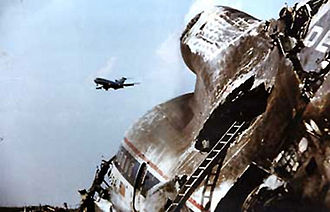
There have been some notable historical cases of wind shear affecting airplanes. One example is the 1994 crash of a McDonnell Douglas DC-9 on approach to the airport in Cleveland, Ohio, when the aircraft encountered wind shear, leading to tragic loss of lives. Another case was the 1985 crash of a Boeing 737 in California due to severe wind shear during landing 🌲. These incidents taught everyone in aviation more about the dangers of wind shear and why careful monitoring is crucial. Understanding these cases helps enhance training and improve aviation safety today!
Pilots and air traffic controllers take several safety precautions to deal with wind shear 🚦. Before flights, pilots check the weather and consult special reports about wind conditions. During takeoff and landing, pilots are trained to recognize signs of wind shear, such as sudden changes in airspeed or altitude. They also rely on instruments that alert them to potential issues 🌪️. Airports sometimes delay flights or divert them when wind shear is severe. These precautions help prevent accidents and ensure passengers arrive safely at their destination!
Wind shear plays an essential role in weather forecasting 🌦️. Meteorologists must understand how winds interact to predict storms and other weather patterns accurately. When they notice strong wind shear, it often means a storm could develop, meaning they need to warn people 📡. Forecasting wind shear helps set up warnings for pilots and communities so everyone can prepare for potential weather changes. By monitoring wind shear, meteorologists help people stay safe from storms and understand what’s happening in the atmosphere!


DIY is a creative community where kids draw, build, explore ideas, and share.
No credit card required