White Blood Cell Facts For Kids
White blood cells, also known as immune cells, protect the body against infections and foreign invaders, working together in a complex immune system.
Select reading age
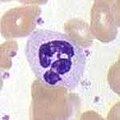
White Blood Cell Facts For Kids
Videos & Quizzesincluded
About this topic
White blood cells (WBCs) are tiny superheroes 🦸♂️ in our body that help keep us healthy! They fight off germs, viruses, and anything that can make us sick. There are about 7,000 to 25,000 white blood cells in one drop of blood! They are made mainly in the bone marrow, a soft tissue inside our bones. Did you know that they make up about 1% of our total blood? These brave cells are essential for our immune system, helping to protect our body and keep us safe from many diseases. 🌟
Explore with ChatDinoKey Points
When our body detects a germ or virus, white blood cells spring into action!
There are different types of white blood cells, each with special jobs!
White blood cells have many important jobs in our body!
White blood cells come from special cells in our bone marrow called stem cells.
Scientists are always studying white blood cells and how they work!
Sometimes, white blood cells can have problems that make us sick.
Doctors can measure the number of white blood cells in our blood using a special test called a Complete Blood Count (CBC) 🍦.
Did you know that white blood cells aren’t just in humans?
Our age and health can affect the number and function of white blood cells!
Photos of White Blood Cell

White Blood Cell — photo 1
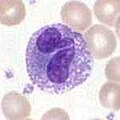
Eosinophile Granulocyte

White Blood Cell — photo 3

Basophile Granulocyte

White Blood Cell — photo 5

White Blood Cell — photo 6

White Blood Cell — photo 7

Monocyte
🚀 Role In Immune Response
When our body detects a germ or virus, white blood cells spring into action! 🚀This is part of our immune response. They work together like a team to protect us. First, they recognize the foreign invaders, then they send signals to other immune cells for help!
Neutrophils are usually the first to arrive and start the attack. Lymphocytes remember the invaders so that they can respond faster next time! 🦸♀️ The whole process helps keep us safe and healthy, showing how mighty white blood cells really are! 🌈
Go deeperNeutrophils are usually the first to arrive and start the attack. Lymphocytes remember the invaders so that they can respond faster next time! 🦸♀️ The whole process helps keep us safe and healthy, showing how mighty white blood cells really are! 🌈
🌈 Types Of White Blood Cells
There are different types of white blood cells, each with special jobs! 🌈The main types are:
1. Neutrophils: The most abundant WBCs, they act like soldiers, attacking bacteria and fungi! ⚔️
2. Lymphocytes: These cells remember germs and help us fight them off in the future. There are B-cells and T-cells! 🦠
3. Monocytes: They turn into macrophages, devouring large bacteria and debris. 🧊
4. Eosinophils: These help with allergic reactions and fight parasites. 🐛
5. Basophils: They release histamine, which helps with inflammation and allergies. 🎉
Go deeper1. Neutrophils: The most abundant WBCs, they act like soldiers, attacking bacteria and fungi! ⚔️
2. Lymphocytes: These cells remember germs and help us fight them off in the future. There are B-cells and T-cells! 🦠
3. Monocytes: They turn into macrophages, devouring large bacteria and debris. 🧊
4. Eosinophils: These help with allergic reactions and fight parasites. 🐛
5. Basophils: They release histamine, which helps with inflammation and allergies. 🎉
🛡️ Functions Of White Blood Cells
White blood cells have many important jobs in our body! 🛡️ They help keep our immune system running smoothly. Here's what they do:
- Fight Infection: They attack and destroy harmful bacteria and viruses. 🔬
- Heal Wounds: When we get hurt, they help protect the area and speed up healing. 🌱
- Produce Antibodies: Some blood cells create special proteins that remember germs and help us not get sick again! 🦠
- Clear Dead Cells: They clean up debris and dead cells, keeping our body healthy! 🍃
White blood cells are truly essential for our body's defense system!
Go deeper- Fight Infection: They attack and destroy harmful bacteria and viruses. 🔬
- Heal Wounds: When we get hurt, they help protect the area and speed up healing. 🌱
- Produce Antibodies: Some blood cells create special proteins that remember germs and help us not get sick again! 🦠
- Clear Dead Cells: They clean up debris and dead cells, keeping our body healthy! 🍃
White blood cells are truly essential for our body's defense system!
🌟 Development And Differentiation
White blood cells come from special cells in our bone marrow called stem cells. Initially, all blood cells start as these stem cells! 🌟As they grow, they go through a process called differentiation, where they become different types of white blood cells.
This process can take days to weeks! Once they are fully developed, they can travel in the bloodstream or move into tissues where they are needed most. Sometimes they even live for years, so they can help protect us against diseases we may encounter again! 🛡️
Go deeperThis process can take days to weeks! Once they are fully developed, they can travel in the bloodstream or move into tissues where they are needed most. Sometimes they even live for years, so they can help protect us against diseases we may encounter again! 🛡️
🕵️♂️ Research And Advances In Immunology
Scientists are always studying white blood cells and how they work! 🕵️♂️ This field of study is called immunology. Researchers are discovering new ways to help treat diseases with white blood cells.
For example, researchers are creating special therapies that use modified immune cells to fight cancer! 🧪They also explore vaccines, which teach our immune system to recognize germs without getting sick, keeping us safe. 📚This important work helps us understand how to make our bodies stronger and healthier every day! 💪
Go deeperFor example, researchers are creating special therapies that use modified immune cells to fight cancer! 🧪They also explore vaccines, which teach our immune system to recognize germs without getting sick, keeping us safe. 📚This important work helps us understand how to make our bodies stronger and healthier every day! 💪
🏥 Disorders Related To White Blood Cells
Sometimes, white blood cells can have problems that make us sick. 🏥Here are some disorders:
- Leukemia: A type of cancer where the body makes too many white blood cells, which don't work properly. 🦠
- AIDS: This disease weakens the immune system and reduces the number of certain white blood cells called CD4 T-cells. 🚫
- Autoimmune Diseases: This happens when white blood cells mistakenly attack the body's own healthy cells. 😔
Understanding these disorders helps scientists and doctors find better ways to treat and help people feel better! 💖
Go deeper- Leukemia: A type of cancer where the body makes too many white blood cells, which don't work properly. 🦠
- AIDS: This disease weakens the immune system and reduces the number of certain white blood cells called CD4 T-cells. 🚫
- Autoimmune Diseases: This happens when white blood cells mistakenly attack the body's own healthy cells. 😔
Understanding these disorders helps scientists and doctors find better ways to treat and help people feel better! 💖
🍦 White Blood Cell Count And Measurement
Doctors can measure the number of white blood cells in our blood using a special test called a Complete Blood Count (CBC) 🍦. This test tells them how many WBCs we have.
A normal range is usually between 4,000 and 11,000 white blood cells per microliter of blood. If the number is too high or too low, it can mean something is wrong! ⚠️ This helps doctors diagnose problems like infections, allergies, or blood disorders. It's an important tool for keeping us healthy! 📊
Go deeperA normal range is usually between 4,000 and 11,000 white blood cells per microliter of blood. If the number is too high or too low, it can mean something is wrong! ⚠️ This helps doctors diagnose problems like infections, allergies, or blood disorders. It's an important tool for keeping us healthy! 📊
🐯 Comparative Immunology In Other Species
Did you know that white blood cells aren’t just in humans? 🐯They are found in almost all animals! Different species have unique types of white blood cells, helping them fight infections and stay healthy:
- Mice are often used in research to learn more about human immune systems. 🐭
- Lions have strong immune cells to protect them from diseases in the wild. 🌍
- Sharks even have different types of immune cells that help them heal quickly from wounds! 🦈
Studying how different animals use their white blood cells helps scientists discover new treatments for humans, showing just how interconnected life really is! 🌿
Go deeper- Mice are often used in research to learn more about human immune systems. 🐭
- Lions have strong immune cells to protect them from diseases in the wild. 🌍
- Sharks even have different types of immune cells that help them heal quickly from wounds! 🦈
Studying how different animals use their white blood cells helps scientists discover new treatments for humans, showing just how interconnected life really is! 🌿
🥳 Impact Of Age And Health On White Blood Cells
Our age and health can affect the number and function of white blood cells! 🥳For example:
- Infants usually have higher levels of WBCs to help protect them as their immune systems mature.
- Adults generally have a stable count, while older adults might see changes in their immune response.
- Illness can also lower white blood cell counts, which can make it harder for the body to fight infections.
Eating healthy, staying active, and staying hydrated helps keep our white blood cells strong and ready to protect us! 🍎🏃♂️
Go deeper- Infants usually have higher levels of WBCs to help protect them as their immune systems mature.
- Adults generally have a stable count, while older adults might see changes in their immune response.
- Illness can also lower white blood cell counts, which can make it harder for the body to fight infections.
Eating healthy, staying active, and staying hydrated helps keep our white blood cells strong and ready to protect us! 🍎🏃♂️