Western Marsh Harrier Facts For Kids
The Western Marsh Harrier is a large bird of prey known for its remarkable flying skills and unique appearance, found in wetlands across western Eurasia and parts of Africa.
Select reading age
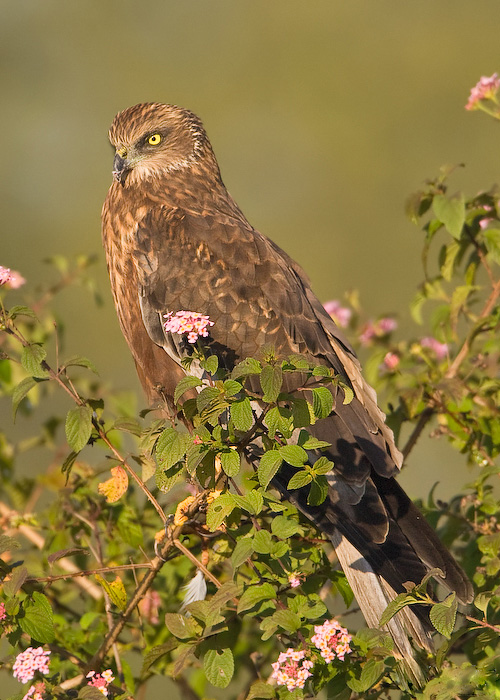
Western Marsh Harrier Facts For Kids
Videos & Quizzesincluded
About this topic
The Western Marsh Harrier is an impressive bird of prey 🦅 found in wetlands across parts of western Eurasia and northern Africa. It has a beautiful wingspan of about 120 to 140 centimeters (that's like the length of a big pizza!) 🍕. These harriers usually have long, narrow wings and a brown body, which helps them blend into their surroundings. They are known for gliding gracefully over fields and marshes, looking for food. Have you ever seen a bird fly like that? It's like they're riding the wind! The Western Marsh Harrier is a fascinating part of nature.
Explore with ChatDinoKey Points
Here are some fun facts about the Western Marsh Harrier!
Western Marsh Harriers often migrate to find warmer climates during winter 🦩.
The International Union for Conservation of Nature (IUCN) currently lists the Western Marsh Harrier as a species of least concern, meaning they are not endangered for now 🐦.
During the breeding season, Western Marsh Harriers build nests in tall grasses and reeds near wetlands 🌱.
Despite their “least concern” status, Western Marsh Harriers face challenges.
Western Marsh Harriers love to live near marshes, wetlands, and lakes!
Adult Western Marsh Harriers have a striking appearance!
The Western Marsh Harrier is a skilled hunter!
Western Marsh Harriers are often seen alone or in pairs 👫.
Photos of Western Marsh Harrier

A fairly pale adult female (note brown remiges and yellow eye) winters near Hodal (Faridabad district, Haryana, India)

The male is characterised by the very clear chestnut brown mantle and the grey secondaries and black outer primaries

Egg, Collection Museum Wiesbaden, Germany

Wintering female hunting near Kolkata (West Bengal, India)

Western marsh harrier in Estonia

Circus aeruginosus by Jos Zwarts
🥳 Interesting Facts
Here are some fun facts about the Western Marsh Harrier! 🥳Did you know that when they fly above the ground, they can glide for a long time without flapping their wings? They're true masters of gliding! Also, they can often be seen practicing acrobatics in the sky, which is called “display flight.” During mating season, males perform fancy aerial shows to impress the females! 💕These birds are also known for their loud, harsh calls which can be heard in the marshes. How cool is that? They truly are marvelous creatures of the sky!
Go deeper🦩 Migration Patterns
Western Marsh Harriers often migrate to find warmer climates during winter 🦩. Some travel from Europe to Africa, covering long distances! They typically start their journey around September to October, flying in search of sunny places where food is easier to find. The return trip happens in March or April as they head back to their breeding grounds. During migration, they may travel alone or in small groups, taking advantage of favorable winds to help them fly. Isn’t it incredible how birds know where to go?
Go deeper🐦 Conservation Status
The International Union for Conservation of Nature (IUCN) currently lists the Western Marsh Harrier as a species of least concern, meaning they are not endangered for now 🐦. However, they still need a healthy habitat to thrive. Conservation efforts help protect their wetland environments, ensuring they have safe places to live and breed. It’s essential to keep their homes safe from pollution and development. Caring for nature helps keep the Western Marsh Harrier population strong for future generations! 🌎
Go deeper🌱 Breeding And Nesting
During the breeding season, Western Marsh Harriers build nests in tall grasses and reeds near wetlands 🌱. They usually start building their homes in March or April. The female lays about 3-6 eggs, which she incubates for around 30 days. Both parents help take care of the chicks after they hatch 🐣. The little birds stay in the nest for a few weeks, developing their feathers and learning to fly. After a couple of months, they’re ready to start their own adventures! Family teamwork is essential for raising young harriers successfully.
Go deeper🌧️ Threats And Challenges
Despite their “least concern” status, Western Marsh Harriers face challenges. Habitat loss due to farming, drainage of wetlands, and pollution can harm their breeding sites 🌧️. They can also be affected by climate change, which alters their food supply and nesting areas. Additionally, some birds are at risk from hunting and trapping. It’s vital for communities to protect wetlands, which play an essential role in their survival. By learning about these challenges, we can help keep these birds safe in our world! 🚨
Go deeper🌾 Habitat And Distribution
Western Marsh Harriers love to live near marshes, wetlands, and lakes! 🌾They are found in countries like Spain, France, Germany, and parts of Africa. These birds like open spaces where they can spot prey easily. During the summer months, you can find them in the wetlands, while in winter, many migrate to warmer areas in Africa to escape the cold ❄️. They are great at adjusting to different environments, but they always prefer places with lots of plants and tall grasses to hide in.
Go deeper🎨 Physical Characteristics
Adult Western Marsh Harriers have a striking appearance! They are mostly brown, but males have a beautiful light-colored head and a rusty-colored belly 🎨. Females are darker and larger than males. Their long, slim wings and long tail help them soar smoothly through the sky. These birds also have yellow eyes, which give them a sharp-looking gaze 👀. When they fly, you can see their wide wings stretch out, making them look like gliders! Young hawks are spotted brown for a while until they grow into their adult colors. Isn’t nature amazing?
Go deeper🦅 Diet And Feeding Behavior
The Western Marsh Harrier is a skilled hunter! 🦅🍽️ They primarily eat small mammals, birds, and even frogs. When they're hungry, they soar high above their habitat, scanning for movement. Once they spot something tasty, they swoop down quickly to catch it. Their keen eyesight helps them find camouflaged animals hiding in grass or reeds. They have a unique way of hunting by using their feet to grab their prey tightly. This powerful bird needs a hearty meal for energy, especially during the colder months!
Go deeper👫 Behavior And Social Structure
Western Marsh Harriers are often seen alone or in pairs 👫. They are very territorial, making sure that other birds don't invade their hunting grounds. However, during the breeding season, they can be seen together, protecting their nests and young. They are known for their graceful flight patterns and skillful hunting actions. When they feel threatened, they will display impressive aerial moves to defend their territory. Watching them fly is like seeing a real-life ballet in the air! 🩰Their social interactions are fascinating to observe!
Go deeper