Weddell Sea Facts For Kids
The Weddell Sea is a cold part of the Southern Ocean, known for its unique ecosystems, ice formations, and the Weddell Gyre current.
Select reading age
Weddell Sea Facts For Kids
Videos & Quizzesincluded
About this topic
The Weddell Sea is a huge body of water located in the Southern Ocean, around the Antarctic region. 🌊It is named after James Weddell, a sailor who explored these icy waters in the early 1800s! The sea is known for its chilly temperatures, making it a home for many unique animals. It covers about 2.3 million square kilometers (890,000 square miles) and is bordered by Antarctica. The Weddell Sea is important because it helps scientists understand how our planet's oceans work! 🐋
Explore with ChatDinoKey Points
The Weddell Sea has been explored for hundreds of years.
The Weddell Sea is not just beautiful; it's also important for our economy!
The Weddell Sea is facing some tough challenges due to climate change.
The Weddell Sea is a rich habitat for many fascinating creatures!
Humans influence the Weddell Sea in many ways!
The Weddell Sea is filled with fascinating ice formations!
The Weddell Sea is known for its cold climate, with temperatures often below freezing!
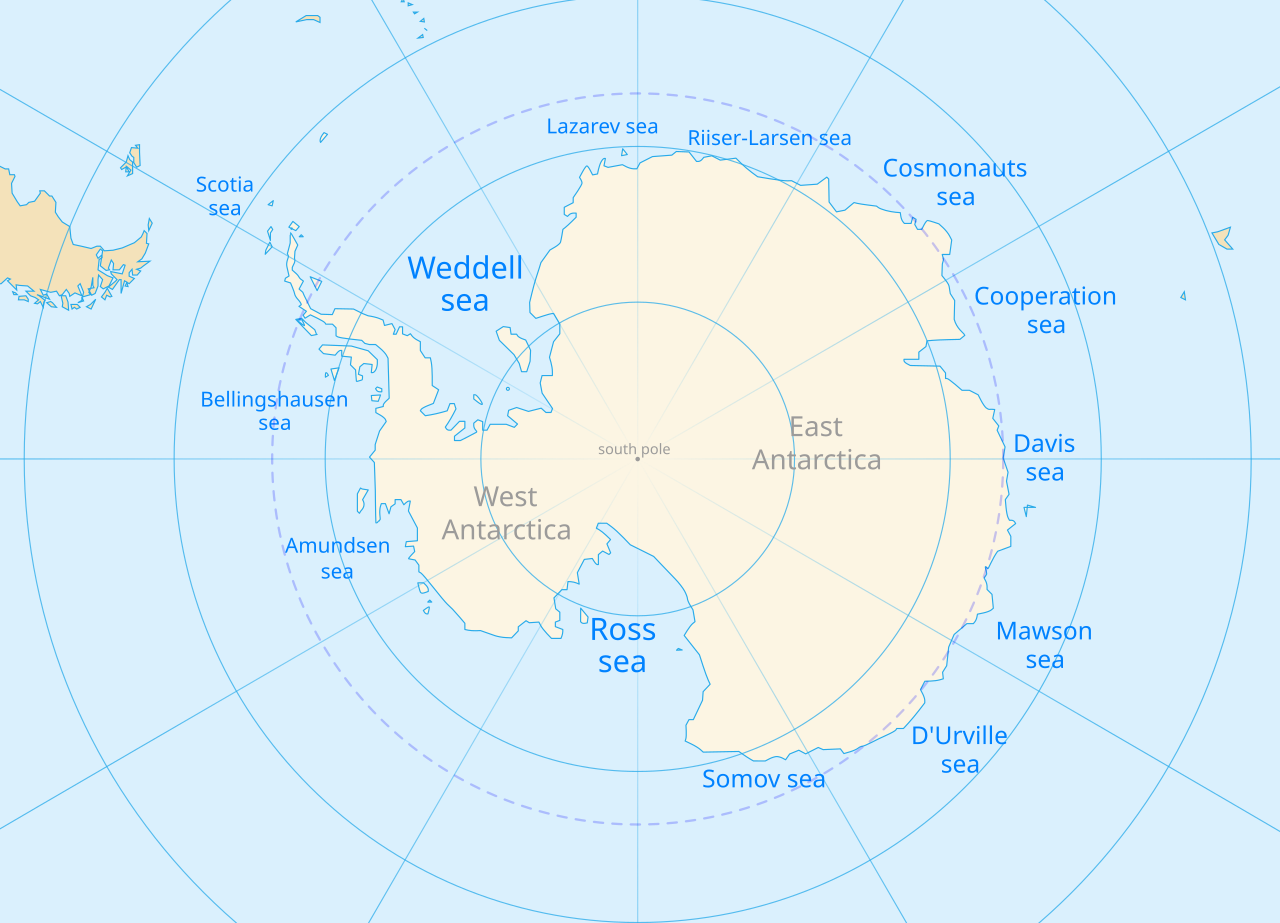
The Weddell Sea is surrounded by stunning places, including the Antarctic Peninsula to the west and the Filchner Ice Shelf to the east!
Scientists love studying the Weddell Sea because it provides important information about our oceans.
Photos of Weddell Sea

Weddell Sea — photo 1

Scarred and chiselled sea ice in the Weddell Sea

⛵ Exploration History
The Weddell Sea has been explored for hundreds of years. The Scottish sailor James Weddell was the first European to explore it in 1823. ⛵He sailed on the ship "Jane" and saw many wonders! One famous explorer, Ernest Shackleton, attempted to cross Antarctica through the Weddell Sea in 1914. 🧭His ship, the Endurance, became trapped in ice, leading to an incredible survival story! Today, scientists continue to study this unique region to learn more about its secrets and mysteries! 🧊
Go deeper🏞️ Economic Significance
The Weddell Sea is not just beautiful; it's also important for our economy! 🏞️ Fish, such as krill and mackerel, are valuable resources that many countries catch for food. Krill, tiny shrimp-like creatures, are vital in the ocean food chain! 🌟Researchers study fishing practices to ensure they are sustainable, meaning they don’t harm the environment. The region also has potential for mineral and energy resources, but these need to be explored carefully to protect marine life! ⚓
Go deeper🌡️ Environmental Concerns
The Weddell Sea is facing some tough challenges due to climate change. 🌡️ Warmer temperatures are causing ice to melt, which can change ocean currents and marine life. The melting ice also contributes to rising sea levels, affecting coastlines around the world! Plastic pollution and human activities can harm fragile ecosystems. Luckily, scientists and organizations are working hard to protect the Weddell Sea and its amazing inhabitants, a crucial part of our planet's health! 🌿
Go deeper🦈 Marine Life And Ecosystems
The Weddell Sea is a rich habitat for many fascinating creatures! 🦈🐧 You can find seals like the Antarctic Weddell seal and a variety of fish. The sea is also home to large colonies of penguins, such as the Emperor and Adélie penguins! 🐧The deep parts of the sea, called the benthic zone, are filled with strange and amazing life forms like giant squid and colorful sea stars. The ocean's ecosystems are balanced by both plants (like phytoplankton) and animals, and they all work together to thrive! 🌊
Go deeper⚓ Human Activities And Impact
Humans influence the Weddell Sea in many ways! ⚓Fishing, research activities, and tourism can impact the delicate ecosystems. While people are still exploring, they must be mindful to avoid polluting or overfishing. Some countries work together to protect this amazing sea and create rules about sustainable practices. Education and awareness are crucial to keep the Weddell Sea healthy for future generations! 🌏Learning about our oceans helps everyone understand how to care for them better!
Go deeper❄️ Ice Dynamics And Glaciology
The Weddell Sea is filled with fascinating ice formations! ❄️ The ice shelves, like the Filchner Ice Shelf, are like giant floating platforms. When they break apart, they create enormous icebergs! 🌊This process is called calving. Scientists study how ice moves, melts, and interacts with the ocean. Understanding this helps us predict future changes due to global warming and its impact on marine life and climate. Glaciology is the study of ice, and it's super important to protect places like the Weddell Sea! 🧊
Go deeper❄️ Climate And Weather Patterns
The Weddell Sea is known for its cold climate, with temperatures often below freezing! ❄️ In summer (December to February), temperatures can rise to a chilly -2°C (28°F). During winter (June to August), it can drop to -10°C (14°F) or colder. The sea is often covered with sea ice, especially in winter. Storms can occur here, especially during the Antarctic summer, bringing strong winds and waves. Winds can reach speeds of 150 kilometers per hour (93 miles per hour). That's super fast! 🌬️
Go deeper🌄 Geography Of The Weddell Sea
The Weddell Sea is surrounded by stunning places, including the Antarctic Peninsula to the west and the Filchner Ice Shelf to the east! 🌄This ice shelf is like a giant floating ice platform. The sea is shaped like an upside-down "U" and is part of a larger area called the Southern Ocean, which encircles Antarctica. The Weddell Gyre, a spiral ocean current, helps keep the waters moving. This helps distribute nutrients and is essential for marine life! 🌍
Go deeper🌐 Scientific Research And Studies
Scientists love studying the Weddell Sea because it provides important information about our oceans. 🌐Research includes looking at ice thickness, temperature, and how climate change is affecting the area. Scientists use special submarines called remotely operated vehicles (ROVs) to explore deep underwater! They help us discover new species and understand ocean currents better. The Weddell Sea is also a vital place for studying how ocean waters absorb carbon dioxide, which helps protect our planet! 🌍
Go deeper