Vomer Facts For Kids
The vomer is a small bone in the middle of your skull that helps separate your nostrils and plays an important role in breathing and smelling.
Select reading age
Vomer Facts For Kids
Videos & Quizzesincluded
About this topic
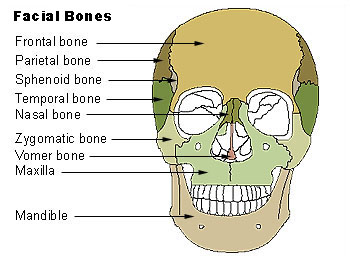
The vomer is a special bone in our face! 🦷It’s shaped like a plow and helps separate the left and right sides of our nose. This unpaired bone is found right in the middle of our skull, sitting on the floor of our nasal cavity (the space behind our nose). It connects with other bones in the skull, such as the maxilla (upper jaw) and sphenoid bone. The vomer is important for breathing and smelling, making it a star player in our face's anatomy! 🌟
Explore with ChatDinoKey Points
The vomer is a flat, thin bone shaped like a shovel.
In human anatomy, the vomer plays a special role.
Did you know that the vomer starts developing during early childhood?
The vomer has a big job!
Did you know that many animals have a vomer too?
The shape of the vomer matters for our health!
The vomer is quite fascinating!
The vomer is different from other facial bones like the maxilla and mandible.
Sometimes, problems can happen with the vomer!
Sometimes, surgery is needed to help fix problems with the vomer.
Photos of Vomer

Vomer — photo 1
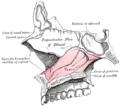
Median wall of left nasal cavity showing vomer in situ .
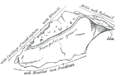
The vomer.

Base of the Human skull . External surface.

Sagittal section of skull.

Vomer — photo 6

Bones and cartilages of septum of nose. Right side.
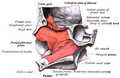
Vomer — photo 8
🛠️ Anatomy Of The Vomer
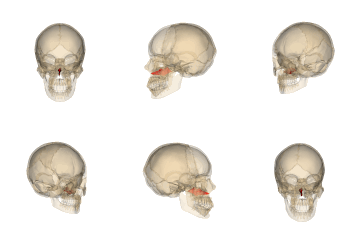
The vomer is a flat, thin bone shaped like a shovel. 🛠️ It is about 3 inches long in adults and looks like a triangle when seen from the side. The upper part of the vomer connects with the sphenoid bone, while the bottom part fits snugly between the left and right nasal passages. On its sides, the vomer connects to the maxillary bones, forming a strong wall. Understanding this shape helps us know how the vomer works with other facial bones to support our face! 🧠
Go deeper🗺️ Vomer In Human Anatomy
In human anatomy, the vomer plays a special role. 🗺️ It’s located right in the center, forming the lower part of the nasal septum (the middle wall in the nose). The vomer connects with other bones like the ethmoid bone, which is near the brain. This connection helps create a sturdy structure for our facial features! The vomer is important for ensuring that our breathing pathways work properly and that air reaches our lungs efficiently. 🌬️💨
Go deeper🌱 Development Of The Vomer
Did you know that the vomer starts developing during early childhood? 🌱At birth, babies have cartilage, a flexible material, which slowly turns into bone as they grow. By around age 7, the vomer is mostly formed. This process is called ossification. It means “turning into bone.” The bones in our body keep growing and changing as we age, so kids may notice their faces change too! 👶➡️👦
Go deeper🚀 Function Of The Vomer Bone
The vomer has a big job! 🚀It helps us breathe and smell by forming part of our nasal cavity. It also supports the structure of our nose and helps separate the two sides. This bone allows air to flow smoothly when we breathe. It also provides a place for nasal tissue to attach, which helps us detect smells! In short, the vomer makes sure our breathing passages are organized and functional. 🌬️
Go deeper🐾 Vomer In Different Species
Did you know that many animals have a vomer too? 🐾In dogs and cats, the vomer helps with their sense of smell, which is much stronger than ours! The shape of the vomer can vary greatly between species. For example, in some fish, the vomer is smaller and helps their gills. Each creature has its special version of the vomer adapted for its unique way of life. Isn't nature amazing? 🌍✨
Go deeper🏥 Impact Of Vomer Shape On Health
The shape of the vomer matters for our health! 🏥If the vomer is misaligned or if the nasal passages are blocked, it can lead to difficulty breathing or snoring while sleeping. This can affect sleep and overall health. People may also experience problems with smell if the vomer's position changes. Keeping the vomer and nasal passages clear is essential for healthy breathing! 🌙
Go deeper🌟 Interesting Facts About The Vomer
The vomer is quite fascinating! 🌟Did you know that the word "vomer" comes from a Latin word meaning "plow"? It’s named after its plow-like shape! The vomer is one of the bones that supports the only other unpaired facial bone—the mandible! Additionally, it works together with the nasal bones to make our noses strong and functional. Our vomer is full of surprises! 🎉
Go deeper🤔 Comparison With Other Facial Bones
The vomer is different from other facial bones like the maxilla and mandible. 🤔The maxilla forms the upper jaw and holds our upper teeth, while the mandible is our lower jaw. The vomer is unique because it is unpaired, meaning we only have one. It works closely with the nasal bones to create the shape of our nose, unlike the paired bones that are found on either side of our face. Understanding these differences helps us appreciate how our face is made! 👀
Go deeper😟 Common Disorders Involving The Vomer
Sometimes, problems can happen with the vomer! 😟A common issue is a deviated septum, where the vomer is pushed to one side. This can make it hard to breathe smoothly. Other issues can include fractures from injuries, which can cause discomfort. If someone has problems breathing or smells, they should visit a doctor! Specialists can fix many vomer-related issues to help the body work better and keep us healthy! 🩺
Go deeper🏥 Surgical Procedures Related To The Vomer
Sometimes, surgery is needed to help fix problems with the vomer. 🏥One common surgery is called a septoplasty, where doctors straighten the nasal septum, including the vomer, to improve breathing. Another procedure called a rhinoplasty can reshape the nose and may change the vomer's position a bit, too! These surgeries can help make breathing easier and improve the overall look of the nose, helping people feel better and more comfortable! ✨
Go deeper