Viola Odorata Facts For Kids
Viola odorata, or sweet violet, is a lovely flowering plant native to Eurasia, known for its fragrant purple flowers and heart-shaped leaves, often blooming in spring.
Select reading age

Viola Odorata Facts For Kids
Videos & Quizzesincluded
About this topic
Viola odorata, also known as the sweet violet 🌸, is a colorful little flower. It belongs to the Violaceae family and is found mainly in Europe, Asia, and North Africa. The sweet violet blooms in early spring 🌷 with beautiful purple, blue, or white flowers. These flowers smell delightful, which is why it’s called "sweet." The plant only grows to about 5–20 cm tall. Interestingly, these flowers can be found in gardens, meadows, and woodlands! Kids love to pick them and smell their fragrant petals. 🌼
Explore with ChatDinoKey Points
Sweet violets are not just beautiful—they're tasty too!
Sweet violets play an important role in nature 🍂.
Like many plants, sweet violets can attract pests 🐜, such as aphids and slugs.
Sweet violets are generally not endangered and are considered common in many parts of the world.
If you want to grow sweet violets at home, it's pretty easy!
Sweet violets usually have heart-shaped leaves 🍃 that are dark green.
Sweet violets have been cherished for centuries!
Viola odorata belongs to the Violaceae family.
Viola odorata loves cool, shady spots!
People have used sweet violets in traditional medicine for many years!
Photos of Viola Odorata

Viola Odorata — photo 1

Viola Odorata — photo 2
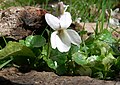
variété blanche d'une violette (ou viola alba ?), Parc de la Citadelle, Lille.

Viole
🍽️ Culinary Uses
Sweet violets are not just beautiful—they're tasty too! 🍽️ In some places, people sprinkle the petals on salads for a colorful touch. The flowers can even be candied and used as decorations on cakes and pastries! 🍰They have a sweet, pleasant flavor, making them fun to eat as a treat! Some people make violet syrup for beverages, adding a special flavor to drinks like lemonade. So, next time you see a sweet violet, remember you can enjoy it in many delicious ways! 🌼
Go deeper🍂 Ecological Role
Sweet violets play an important role in nature 🍂. First, they are a food source for many butterflies, bees, and insects! These creatures help pollinate the flowers, which means they help produce seeds for new plants. 🐝The flowers attract insects with their sweet smell and bright colors. Additionally, sweet violets provide shelter for small critters. The leaves create a home for tiny insects, and many birds love to perch on these plants! 🌈
Go deeper🐜 Pests And Diseases
Like many plants, sweet violets can attract pests 🐜, such as aphids and slugs. Aphids are tiny insects that suck the juice from the leaves, which can harm the plant. Slugs love to munch on the leaves too! 🌿To help protect sweet violets, you can keep the garden clean and remove any dead leaves. It’s also a good idea to check your plants regularly. If you see pests, there are safe sprays and traps to use; just remember to ask an adult for help! 😊
Go deeper🌼 Conservation Status
Sweet violets are generally not endangered and are considered common in many parts of the world. 🌼However, their natural habitats can be affected by urban development and pollution. It's essential to help protect their homes by not over-picking them and keeping gardens healthy! 🌳You can also participate in local conservation efforts to help keep these sweet flowers blooming for years to come. By taking care of our environment, we ensure that future generations can enjoy sweet violets, too! 🌱
Go deeper🌱 Cultivation And Care
If you want to grow sweet violets at home, it's pretty easy! 🌱They love partial shade and well-drained soil. Plant them in early spring or fall for the best results. Once planted, they need regular watering, especially during dry spells. 🌦️ You can also spread mulch around them to keep the soil moist. Sweet violets can easily spread, so sometimes people need to dig them up to control their growth. With some love and care, they'll bloom beautifully! 🌷
Go deeper🍃 Physical Description
Sweet violets usually have heart-shaped leaves 🍃 that are dark green. The flowers can be violet, purple, or even white with a yellow center! They have five petals that can be flat or slightly ruffled. The flowers are about 2-5 cm wide, making them small and cute! 🐾The plant also grows in clusters, which means you can see many flowers together. After blooming, sweet violets produce tiny green pods that turn dark when they mature. These pods hold seeds for new plants! 🌿
Go deeper🌍 Cultural Significance
Sweet violets have been cherished for centuries! 🌍In ancient Rome, they were often used in perfumes and recognized for their beauty. Many poets, including William Shakespeare, mentioned violets in their works! 🌸In some cultures, sweet violets symbolize love and loyalty. People use them in weddings and celebrations to bring good luck. With their charming beauty and sweet scent, these flowers have made a special place in art, literature, and festivities! 🎉
Go deeper🌱 Botanical Classification
Viola odorata belongs to the Violaceae family. This family has over 500 types of violets! The genus name "Viola" refers to the group of plants where sweet violet is classified. It has several varieties, including the Italian sweet violet, which has larger flowers. 🌱The scientific name, which helps botanists identify it better, is made up of two parts: "Viola" for the genus and "odorata," which means "fragrant" in Latin! Isn’t that neat? 🌍
Go deeper🌳 Habitat And Distribution
Viola odorata loves cool, shady spots! 🌳You can find them in gardens, forests, and even on hillsides in Europe, Asia, and North Africa. They thrive in places with moist soil, like near rivers or in woodland areas. In Europe, they are common in countries like England and France. 🌍In the United States, they can be found mostly in the East, especially in shady forests. Sweet violets prefer a mild climate, making spring the best time to see them blooming!
Go deeper🌿 Uses In Traditional Medicine
People have used sweet violets in traditional medicine for many years! 🌿In some cultures, they are known for their calming properties. People make teas with the leaves and flowers to soothe sore throats or to help with coughs. Some even use sweet violets to treat skin problems, like rashes! 🌸Others believe that the flowers have anti-inflammatory properties. Remember, if you ever want to try a new remedy, always ask an adult first!
Go deeper