Vigna Radiata Facts For Kids
Vigna radiata, commonly known as mung bean or green gram, is a nutritious legume cultivated mainly in Asia, valued for its health benefits and environmental contributions.
Select reading age

Vigna Radiata Facts For Kids
Videos & Quizzesincluded
About this topic
The mung bean, also known as Vigna radiata, is a small, green legume 🌱 that comes from the plant family Leguminosae. It's native to South Asia, especially India, and has been grown for over 4,000 years! These tiny beans are packed with nutrients and are often used in soups, salads, and even desserts! 🥣Mung beans are unique because they can be sprouted easily, making them crunchy and delicious in many dishes. They play an important role in farming because they help improve the soil. Let's explore more fun facts about these marvelous little beans!
Explore with ChatDinoKey Points
Mung beans are great for the environment!
Mung beans aren’t just delicious; they’re healthy, too!
The mung bean plant grows about 1-3 feet tall 🌿, with heart-shaped leaves that are bright green.
In the kitchen, mung beans have endless possibilities!
Mung beans are very important in many cultures!
Scientists are always studying mung beans!
Mung beans are super healthy!
Like other plants, mung beans can sometimes get pests and diseases!
Vigna radiata belongs to the legume family, which includes peas and lentils!
Mung beans love warm weather and thrive in temperatures between 70°F to 90°F (21°C to 32°C) ☀️.
Photos of Vigna Radiata

Vigna Radiata — photo 1

Vigna radiata - MHNT

Mung seeds from Deccan Plateau, India

Mung legumes from India

Vigna Radiata — photo 5
Vigna Radiata — photo 6

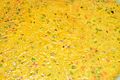
Pesarattu is very special breakfast in Andhra Pradesh. especially in Godavari Districts.
Vigna Radiata — photo 8

Vigna Radiata — photo 9
🌍 Environmental Impact
Mung beans are great for the environment! 🌍When planted, they help improve soil quality by fixing nitrogen. This means they make the soil richer, helping other plants grow better. They also need less water compared to many other crops! 💧This is important in areas where water is scarce. Mung beans can also grow in diverse climates, making them adaptable. As a result, they can help reduce the need for chemical fertilizers, leading to healthier ecosystems. So, growing mung beans not only benefits people but also helps our planet!
Go deeper🌟 Medicinal Properties
Mung beans aren’t just delicious; they’re healthy, too! 🌟Many cultures use mung beans in traditional medicine. For example, they are believed to help reduce heat in the body, making them great during hot weather! Mung beans are also rich in antioxidants, which help keep our bodies strong and fight germs. 💪Some people believe that mung beans can help improve digestion and lower cholesterol! When eaten regularly, they can support heart health and boost energy levels. So, mung beans are not only tasty; they can also keep us feeling our best!
Go deeper🌿 Botanical Description
The mung bean plant grows about 1-3 feet tall 🌿, with heart-shaped leaves that are bright green. The flowers are small, yellow or purple, and bloom in clusters! After flowering, the beans start to grow in pods, which can hold 6-12 beans each! 🌱Each little green bean is about 0.2 inches long. Did you know that mung beans can be harvested in just 60 days? This fast growth makes them perfect for farmers and gardeners! Plus, they can be grown in different climates, including warm tropical areas!
Go deeper👩🍳 Culinary Applications
In the kitchen, mung beans have endless possibilities! 👩🍳 They can be boiled, sprouted, or roasted to make delicious snacks! In many Asian countries, mung beans are used to make soups, curries, and salads. They also have a famous dessert made from blended mung beans and coconut milk! 🍚You can even find mung bean flour in pancakes and noodles. Sprouted mung beans are crunchy and nutritious, making them a great addition to sandwiches! Whether in savory or sweet dishes, mung beans add flavor and health to our meals!
Go deeper🌍 Cultural Significance
Mung beans are very important in many cultures! 🌍In India, they are called "moong" and are used in traditional dishes. During festivals, some people make sweet treats like mung bean halwa. In China, mung beans are often used for making refreshing desserts and drinks during the hot summer months. ☀️ They also appear in many Asian traditions and medicines. Because they are easy to grow, mung beans have become a popular crop in many countries worldwide! Understanding these bonds helps us appreciate these tiny beans more!
Go deeper🌱 Research And Development
Scientists are always studying mung beans! 🌱Many researchers are working to make them even stronger and healthier by developing new varieties that can resist pests and diseases better. They are also trying to make mung beans grow with less water, which is super important in areas facing drought. 🔍Research on mung beans helps improve crop yields and support farmers. There are ongoing studies to explore their health benefits, including how they can help fight obesity and diabetes. Overall, mung bean research is helping to create a healthier planet!
Go deeper🍽️ Nutritional Value And Uses
Mung beans are super healthy! They are packed with protein, fiber, vitamins, and minerals. For example, 100 grams of mung beans contain about 24 grams of protein 🍽️, making them a great food for strong muscles! They're also low in calories. Mung beans can be eaten in various ways: boiled, sprouted, or even ground into flour! 🌟Additionally, they are often used in Asian cuisine, like in dal (a lentil curry) or as a filling for spring rolls. Enjoying mung beans is a tasty way to stay healthy!
Go deeper🐛 Pest And Disease Management
Like other plants, mung beans can sometimes get pests and diseases! 🐛The most common pests include aphids and armyworms. Farmers can keep them away by using natural methods like ladybugs or planting companion plants like marigolds! 🌼Moreover, diseases like fungal infections can also affect mung beans. To prevent this, farmers practice crop rotation and ensure good airflow around the plants. Healthy soil and proper watering also keep mung beans strong, helping them resist disease! Keeping plants happy and healthy is the key to a great harvest!
Go deeper🌾 Taxonomy And Classification
Vigna radiata belongs to the legume family, which includes peas and lentils! 🌾Its scientific classification starts at the kingdom Plantae (plants). Next, it falls into the category of Angiosperms (flowering plants), and then Eudicots (one of the main types of flowering plants). It also fits into the order Fabales and the family Fabaceae. The mung bean is a member of the genus Vigna. 📚Other close relatives are black beans and adzuki beans. Learning about plant families helps us understand how different plants are related!
Go deeper☀️ Growth Conditions And Cultivation
Mung beans love warm weather and thrive in temperatures between 70°F to 90°F (21°C to 32°C) ☀️. They prefer sandy or loamy soil that drains well. These beans can be planted directly in the ground, or even in pots! Farmers usually plant mung beans in spring and harvest them in summer. They need lots of sunlight each day, so finding a sunny spot is key! 🌻Another fun fact is that mung beans help fix nitrogen in the soil, making it better for future crops! Farmers often plant them during crop rotation!
Go deeper