Vampire Bat Facts For Kids
Vampire bats, members of the subfamily Desmodontinae, are small, nocturnal bats found in Central and South America known for their unique blood-feeding behavior.
Select reading age
Vampire Bat Facts For Kids
Videos & Quizzesincluded
About this topic
Vampire bats are fascinating creatures that belong to a group of bats called Desmodontinae. 🌙They are mostly found in Central and South America, from Mexico down to parts of Argentina! These unique bats are famous for their unusual diet: they feed on the blood of other animals, which is why they are called "vampire" bats! 🦇They are relatively small, about 2 to 3 inches long, and their sharp teeth help them make tiny cuts in their prey's skin for a quick meal. But don't worry, they usually don't hurt their victims too badly!
Explore with ChatDinoKey Points
Vampire bats are not currently endangered, and their populations are stable.
Vampire bats have captured the imagination of many cultures throughout history!
Humans and vampire bats sometimes have a complicated relationship.
Vampire bats live in Central and South America, thrivings in warm regions with plenty of animals to feed on.
Vampire bats have very special features!
Vampire bats are known for their unique diet of blood, which they drink while their prey sleeps!
Female vampire bats give birth to one baby bat at a time, called a pup, after a pregnancy of about 6 to 7 months.
Vampire bats are classified into three main species: the Common Vampire Bat, the Hairy-Legged Vampire Bat, and the White-Winged Vampire Bat.
Vampire bats are very social creatures!
Photos of Vampire Bat

A vampire bat skeleton, showing the distinctive incisors and canines

A vampire bat feeding on a pig (taxidermy specimens)

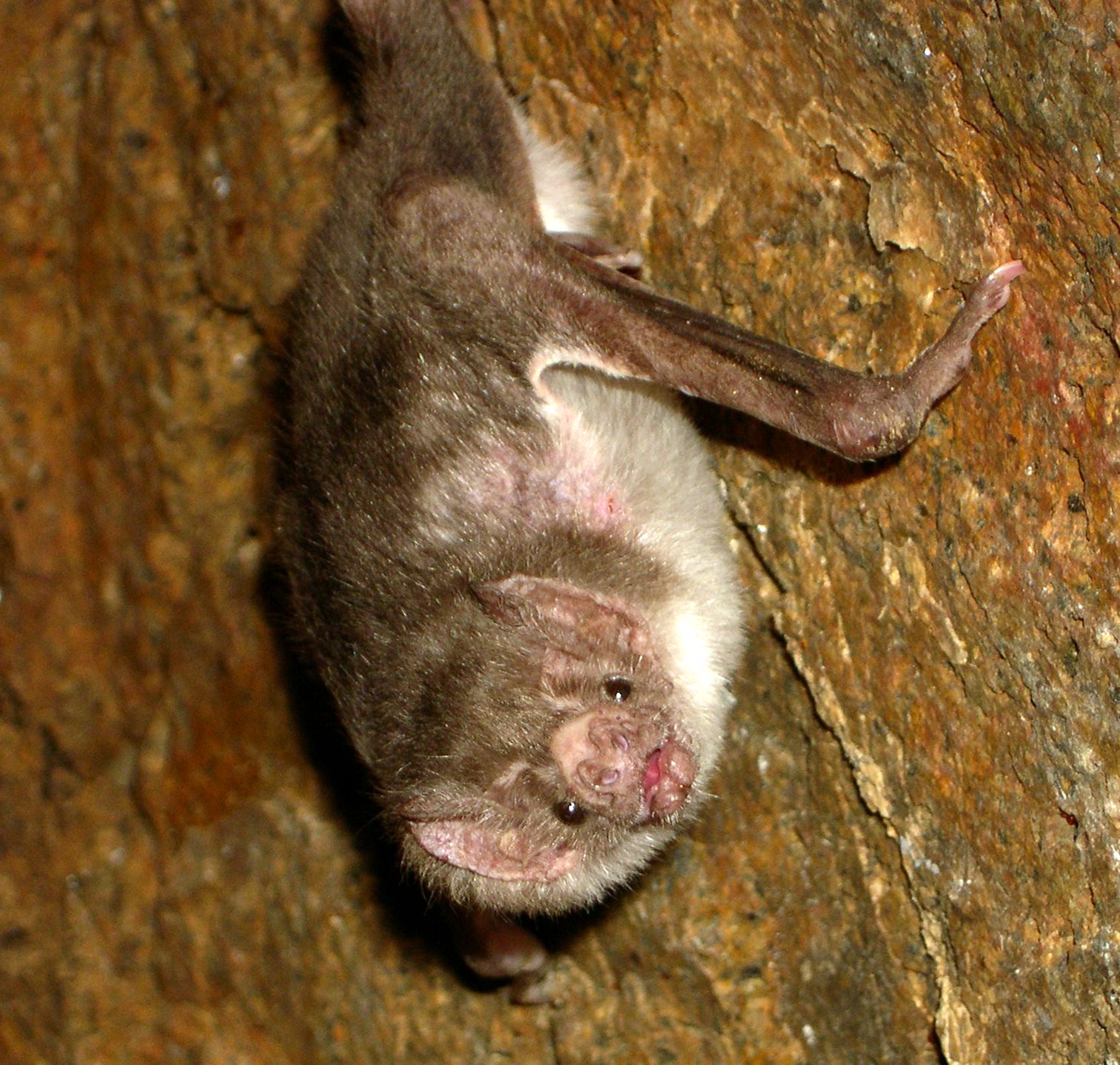
Common vampire bat at the Louisville Zoo
🦇 Conservation Status
Vampire bats are not currently endangered, and their populations are stable. 🦇However, like many animals, they face threats from habitat loss and climate change. Deforestation can reduce their living spaces, which can be harmful to their colonies. It’s essential to protect their natural habitats to ensure these interesting creatures continue to thrive in Central and South America! 🌳While they might seem scary, they play a role in the ecosystem by helping control animal populations.
Go deeper🌕 Cultural Significance
Vampire bats have captured the imagination of many cultures throughout history! 🌕They have been the inspiration for myths, legends, and movies about vampires. In some cultures, these bats symbolize mystery and the unknown. Their unique feeding habits have made them intriguing subjects in various books and shows, teaching people about the fascinating world of nature. Additionally, scientists study these bats to learn about their special abilities, which might help in medicine, such as using their saliva to create new blood-thinning drugs! 💊
Go deeper⚖️ Interaction With Humans
Humans and vampire bats sometimes have a complicated relationship. ⚖️ While these bats usually don’t harm people, they can occasionally feed on livestock, which concerns farmers. Many farmers try to keep their animals safe by using fences or keeping them indoors at night. On the other hand, scientists study vampire bats to understand their behavior and living habits better. Bats, in general, are important to ecosystems because they help with pest control and pollination. So, understanding and respecting these creatures can lead to a more balanced relationship! 🌍
Go deeper🌳 Habitat And Distribution
Vampire bats live in Central and South America, thrivings in warm regions with plenty of animals to feed on. 🌳They usually roost in dark, cozy places like caves, hollow trees, or abandoned buildings, where they can hang upside down! These bats are most commonly found in countries like Mexico, Brazil, and Venezuela. They're nocturnal, meaning they come out at night to hunt for food when it’s dark and quiet. 🦇This helps them stay hidden from predators while they search for their next meal!
Go deeper🦇 Physical Characteristics
Vampire bats have very special features! They have a unique nose shape that helps them find warm-blooded animals to feed on. 🦇Their bodies are covered with soft fur, usually brown or gray in color, and they have long, sharp teeth to help them feed. Unlike other bats, their wings are designed for quick movements, allowing them to sneak up on their prey. They also have very sensitive skin on their mouths, which helps them locate blood vessels. Vampire bats’ legs are strong enough to run and walk, making them pretty unique!
Go deeper💉 Feeding Behavior And Diet
Vampire bats are known for their unique diet of blood, which they drink while their prey sleeps! 💉They use powerful anticoagulants in their saliva to keep the blood flowing while they feed. Most of the time, they prefer to feed on livestock, like cows and pigs, but they can also drink from birds. Vampire bats only take a little blood (about a tablespoon) and will usually leave their source unharmed. They are skilled at using their sharp teeth to make tiny wounds without the animal waking up!
Go deeper🌱 Reproduction And Life Cycle
Female vampire bats give birth to one baby bat at a time, called a pup, after a pregnancy of about 6 to 7 months. 🌱Once born, the pup clings to its mother while she feeds and cares for it. The baby bat depends on its mother’s milk for about 3 months! As the pup grows, it learns to fly, hunt, and socialize within the colony. 🎈They become adults around 6-12 months old and can live up to 9 years in the wild. The strong social bonds in colonies help the pups learn everything they need to survive.
Go deeper🦇 Taxonomy And Classification
Vampire bats are classified into three main species: the Common Vampire Bat, the Hairy-Legged Vampire Bat, and the White-Winged Vampire Bat. 🦇The Common Vampire Bat, scientifically known as Desmodus rotundus, mainly drinks the blood of birds and mammals. The Hairy-Legged Vampire Bat, or Diphylla ecaudata, prefers birds, while the White-Winged Vampire Bat, also known as Diaemus youngi, has a taste for both! These bats are part of the family Phyllostomidae, which includes many other bats with different diets and behaviors.
Go deeper🦇 Social Structure And Behavior
Vampire bats are very social creatures! They live in groups, called colonies, that can include up to 100 bats! 🦇They often groom each other, which helps build strong friendships. If one bat has a successful night of feeding, it might share some of its meal with others that didn’t eat! This sharing behavior helps them survive better, especially during tough times. Vampire bats also communicate with each other through high-pitched sounds, squeaks, and body movements to keep track of their friends!
Go deeper