Ur Facts For Kids
Ur was a vital Sumerian city-state in ancient Mesopotamia, located in modern-day southern Iraq, known for its advanced civilization, impressive ziggurats, and significant cultural contributions.
Select reading age

Ur Facts For Kids
Videos & Quizzesincluded
About this topic
Ur was an exciting and important city in ancient Mesopotamia! 🌟It was a Sumerian city-state, which means it was its own little kingdom. Ur was known for its amazing ziggurat, a giant pyramid-like structure that served as a temple! 🏛️ The people of Ur invented writing, called cuneiform, which helped them keep records and tell stories. Ur thrived from around 4000 BC to 500 BC, and it’s one of the oldest cities ever discovered! Today, Ur is located in southern Iraq and is full of history and ancient treasures waiting to be explored! 🗺️
Explore with ChatDinoKey Points
Ur was known for its beautiful art and artifacts!
Ur had a strong economy that thrived on trade!
Ur was home to many people, including farmers, traders, and artisans.
Ur's history began around 4000 BC!
Ur was located in a region called Mesopotamia, which means "land between rivers."
Ur had many notable rulers, with Ur-Nammu being the most famous!
The city of Ur had unique and advanced architecture!
The people of Ur were very religious and built large temples to honor their gods!
The city of Ur had a significant impact on later civilizations!
Archaeologists began excavating Ur in the 1920s, uncovering its amazing history!
Photos of Ur

Ur — photo 1

Ur — photo 2

Ur — photo 3

Ur — photo 4
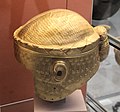
Ur — photo 5

Ur — photo 6

Territory controlled by King Lugalzagesi of Umma circa 2350 BC. SVG version of .

Plaque with woman's face BM 122113

🎨 Art And Artifacts
Ur was known for its beautiful art and artifacts! 🎨The people created amazing jewelry, pottery, and sculptures using gold, silver, and precious stones! 💎Artisans crafted intricate designs that showed their skill and creativity. One of the most famous artifacts is the "Standard of Ur," a beautiful box decorated with scenes of war and peace. Archaeologists found many burial sites filled with treasures, confirming how the people valued art and craftsmanship in their daily lives! 🏺
Go deeper🌍 Economy And Trade
Ur had a strong economy that thrived on trade! 🌍The people of Ur traded goods like grains, textiles, and pottery with other cities. 🏺They used boats to carry supplies along the rivers and to the sea. Merchants became important figures in the city, making connections with faraway places. The discovery of important goods also led to industries like metalworking and weaving. This booming economy helped Ur to grow strong and prosperous, making it a hub for trade in ancient Mesopotamia! ⚒️
Go deeper👨🌾 Society And Culture
Ur was home to many people, including farmers, traders, and artisans. 👨🌾👩🎨 They lived in mud-brick houses and had both rich and poor families. Families had close-knit communities, and they celebrated festivals! 🎊Music, dance, and games were important to the people of Ur. The Sumerians had fascinating myths and gods, like Inanna, the goddess of love and war! ⚔️ They also created beautiful jewelry and clay pottery, showcasing their creative talents. Art and culture flourished, making Ur a vibrant place!
Go deeper🎉 History And Timeline
Ur's history began around 4000 BC! 🎉The city grew into a powerful place with its own rulers. One of the most famous kings was Ur-Nammu, who built the Great Ziggurat! 🏰Ur had a Golden Age around 2600 BC when it became a center of trade and culture. In 2000 BC, the city slowly declined due to wars and changing trade routes. By 500 BC, Ur was mostly abandoned. Archaeologists discovered its ruins in the 19th century, bringing Ur's fascinating history back to life! ⚱️
Go deeper🌊 Geography And Location
Ur was located in a region called Mesopotamia, which means "land between rivers." 🌊 The two rivers nearby are the Tigris and Euphrates. Ur sits in what is now southern Iraq, specifically in the Dhi Qar Governorate. The city was near the Persian Gulf, making it a perfect place for trade and travel! 🚢Its location helped the people of Ur connect with other cities and cultures, making them influential and powerful. The land around Ur was fertile, which meant it was great for farming! 🌾
Go deeper👑 Notable Figures And Rulers
Ur had many notable rulers, with Ur-Nammu being the most famous! 👑He created the first known law code around 2100 BC, known as the Code of Ur-Nammu. This code aimed to provide justice for everyone. Another important figure is the high priestess Enheduanna, the world's first named poet! ✍️ She wrote about religion and rituals, sharing stories of the Sumerian gods. Both of these figures shaped the culture and history of Ur, making their legacy last for thousands of years! 🌟
Go deeper🏛️ Architecture And Urban Planning
The city of Ur had unique and advanced architecture! 🏛️ One of its most famous structures was the Great Ziggurat, a large temple that reached high into the sky! The streets were thoughtfully planned, with houses made from mud bricks. 🧱Ur also had a protective city wall to keep people safe! The city featured large plazas for gatherings and celebrations, showing how well they understood urban planning. 🏙️ The architecture of Ur helped influence how cities were built in Mesopotamia and beyond!
Go deeper🏺 Religious Practices And Temples
The people of Ur were very religious and built large temples to honor their gods! 🏺The most famous temple was the Great Ziggurat dedicated to the moon god, Nanna! 🌙They believed that gods watched over them and that making offerings could bring them blessings. Religious festivals were important, where people dressed in special clothes, sang songs, and danced. The Priests played a significant role in managing rituals and maintaining temples, shaping the spiritual lives of the citizens of Ur. 🙏
Go deeper👍 Influence On Later Civilizations
The city of Ur had a significant impact on later civilizations! 👍The Sumerians introduced writing, agriculture, and trade to the world. Other cultures like the Akkadians and Babylonians learned from Ur’s success and continued to build on its foundations. 🌍They adopted farming techniques and religious stories from the Sumerians. The innovative methods of architecture and city planning developed in Ur influenced cities throughout Mesopotamia and beyond, helping shape the future of human society! 🏙️
Go deeper🏺 Excavations And Archaeological Discoveries
Archaeologists began excavating Ur in the 1920s, uncovering its amazing history! 🏺They found the Great Ziggurat and many graves filled with treasures like jewelry and weapons. The discoveries helped historians understand how the people of Ur lived, worked, and worshiped. ⚱️ Some famous excavations were led by Sir Leonard Woolley, revealing incredible artifacts. The findings from Ur taught us about ancient Mesopotamia and how it influenced the history of humanity, allowing us to explore the past! 🕵️♂️
Go deeper