Typha Latifolia Facts For Kids
Typha latifolia, or cattail, is a tall perennial plant found in wetlands, known for its distinctive flower spikes and ecological importance.
Select reading age

Typha Latifolia Facts For Kids
Videos & Quizzesincluded
About this topic
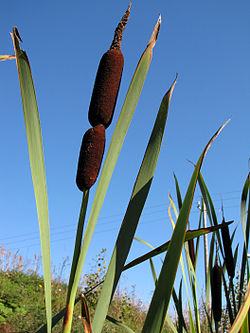
Typha latifolia, also known as the common cattail, is a tall, green plant found in wetlands and near water. 🌊It usually grows about 3 to 10 feet tall! Cattails have long, narrow leaves that are shaped like swords and have a special brown, fluffy flower on top that looks like a hot dog! 🌭You can find them in many places across North America, Europe, and Asia. They like to grow in areas like marshes, ponds, and rivers. Cattails not only look cool but they're also a big part of wetland ecosystems! Let’s explore more about these fascinating plants! 🌱
Explore with ChatDinoKey Points
People have used cattails for thousands of years!
Cattails are part of a larger family of wetland plants.
Cattails are wonderful plants for the environment!
Cattails love to grow in damp environments!
Cattails have been important to many cultures throughout history!
Typha latifolia belongs to the Typhaceae family.
You can find Typha latifolia in wetlands all around the world!
Cattails are super tall, often reaching heights of 3 to 10 feet!
Despite their strength, cattails face some problems due to human activity.
Historically, people have used cattails for their medicinal properties!
Photos of Typha Latifolia

Typha Latifolia — photo 1

Typha Latifolia — photo 2
Typha Latifolia — photo 3

Typha Latifolia — photo 4

Typha Latifolia — photo 5
🌾 Cultural Uses
People have used cattails for thousands of years! 🌾Indigenous peoples in North America know cattails as a "super plant" because they are so useful. The fluffy flower heads can be collected and used to stuff pillows or even make toys! 🎈The leaves can be woven together to create mats, baskets, or even roofs! Some people also eat young cattail shoots, and it tastes like sweet corn! 🌽Isn’t it cool how a plant could do so much for us? Cattails have also appeared in art and songs, celebrating nature’s beauty! 🎨
Go deeper🌿 Related Species
Cattails are part of a larger family of wetland plants. 🌿Other species in the Typha genus include Typha angustifolia, also known as narrow-leaved cattail. While they look similar, narrow-leaved cattails have thinner leaves! 🌱There are also many other plants that share their wetland homes, such as bulrushes, water lilies, and sedges. 🪴Each of these plants plays a unique role in their ecosystem, providing homes and food for different animals and insects. Imagine a whole community of plants working together to create a lively wetland! 🦆
Go deeper🌳 Ecological Importance
Cattails are wonderful plants for the environment! 🌳They help keep the water clean by filtering out dirt and pollutants. This means that when rainwater flows into ponds, cattails can absorb the bad stuff, making the water safer for fish and other animals! 🐟They are also great for wildlife, as many birds make their nests in cattails, finding protection from predators. 🦅Additionally, cattails help prevent soil erosion, keeping the land stable. This means they are like nature's superheroes in maintaining a healthy ecosystem! 🌈
Go deeper🌧️ Propagation And Growth
Cattails love to grow in damp environments! 🌧️ They are typically found in water about 1 to 2 feet deep. Cattails can reproduce in two ways: through seeds and rhizomes. 🌱The fluffy flower produces seeds that are carried by the wind to new spots, planting them in new homes. It only takes about three months for these seeds to grow into new plants! Rhizomes, like underground roots, also help cattails spread. As they grow, they form thick patches, making them look like a green carpet along riverbanks! 🌊
Go deeper🎉 Historical Significance
Cattails have been important to many cultures throughout history! 🎉Ancient Egyptians used cattails for making mats, baskets, and even boats! The plant’s strong fibers were helpful back then, just like they are today. In North America, Native Americans have a long history of using cattails for food, shelter, and crafts. 🛖Even explorers relied on them when traveling through wetlands! The beauty and utility of Typha latifolia show how plants connect us to nature and our history. So next time you see a cattail, remember how amazing they are! 🌈
Go deeper🌿 Botanical Classification
Typha latifolia belongs to the Typhaceae family. 🌿The scientific name helps scientists categorizing plants accurately. Its genus is Typha, and it's the only species in this genus in wetlands. Cattails are known as perennial plants, meaning they can live for many years, returning each spring after winter! 🌷They reproduce using seeds or by growing new shoots from their roots. You might also hear some friends call them "bullet plants" because of their unique flower shape. With over 30 different species of Typha in the world, this one is the most common and recognizable! 🌍
Go deeper🌍 Habitat And Distribution
You can find Typha latifolia in wetlands all around the world! 🌍They thrive near edges of freshwater lakes, ponds, marshes, and even slow-moving rivers. This plant loves wet, muddy soil and can tolerate being flooded! Cattails usually grow in clumps, creating homes for many animals and insects. 🦋You’ll often spot them in North America, Europe, Asia, and even in some places in Africa! Cattails play a very special role in their habitats by providing food and shelter for various creatures. Isn’t that amazing? 🦆
Go deeper🌱 Physical Characteristics
Cattails are super tall, often reaching heights of 3 to 10 feet! 🌱Their long and flat leaves are bright green and can be between 1 to 2 inches wide. The most recognizable part is their thick flower spike that appears in late spring and summer—it’s fuzzy and brown, resembling sausage or hot dogs! 🌭Underneath the flower, cattails have a thick root system called rhizomes, which help them stay put in wet mud. When the flowers get old, they puff out tiny seeds into the wind, helping new cattails grow far away! 🌬️
Go deeper🚧 Threats And Conservation
Despite their strength, cattails face some problems due to human activity. 🚧Pollution, climate change, and draining wetlands can harm their homes. When wetlands are drained for development, cattails lose their space to grow. 🌾Invasive species, such as non-native plants, can also compete with them for resources. To help protect cattails, many groups work on conservation projects, restoring wetlands and educating people about their importance! 🌻By respecting wetland habitats, we can help cattails continue thriving for years to come! 🌳
Go deeper🌿 Traditional Medicinal Uses
Historically, people have used cattails for their medicinal properties! 🌿For example, some traditional healers used cattail roots to help sores and wounds. They believed that the plant's natural abilities could help protect against infections! 🩹Cattail pollen has been used for allergies, and some people even say it helps with tummy troubles! 🌾Remember, while these uses are traditional, it's always important to consult with adults or professionals before using plants for medicine! Respecting nature and learning about its uses can be super fun! 🌟
Go deeper