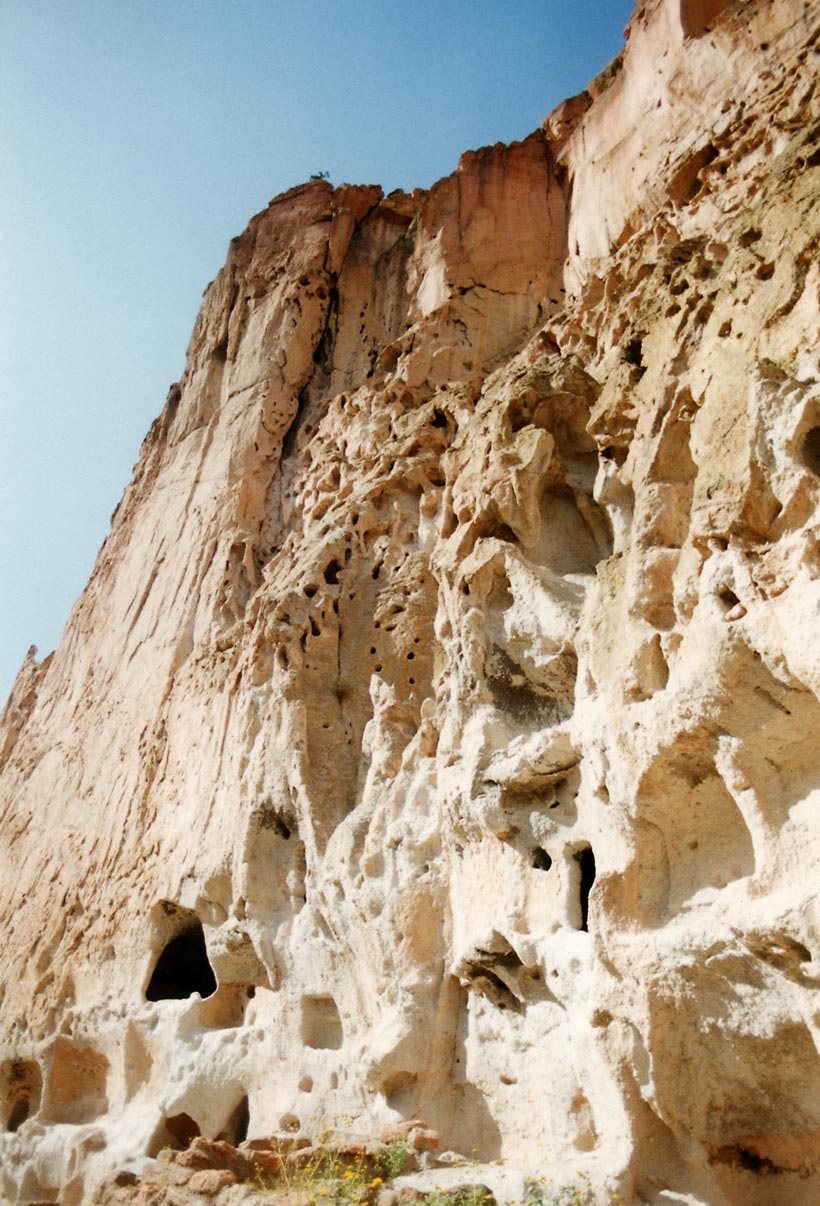
Tuff is a type of rock made of volcanic ash ejected from a vent during a volcanic eruption.
Set reading age
View for Kids
Easy to read and understand
View for Students
Clear, detailed explanations
View for Scholars
Deep dives and big ideas
Tuff is a special kind of rock made from volcanic ash! 🌋When a volcano erupts, it spits out ash, which falls to the ground and hardens over time. Tuff can come in many colors, like gray, pink, and yellow, because of the different minerals that make it up! It is soft and easy to cut, which makes it fun to work with. Tuff is also found in lots of places around the world, especially near volcanoes. Just like cupcake frosting, it can be rough or smooth depending on how it formed! Isn't that cool? 🍰
There are different types of tuff, each with its own unique features! 🎨Some tuffs, like "pumice tuff," are light and can float on water because they're filled with gas bubbles. Others, called "plinian tuff," are made from thick ash and can be really heavy. Tuffs can also come in layered forms, capturing different eruption events. 🌈Each type tells a story about how and where they were formed, much like how rings on a tree tell its age! The color and texture can change based on the minerals. Amazing, isn't it? 💎
Tuff forms when a volcano erupts and sends ash high into the air. 🌪️ When the ash falls back down, it collects in layers. Over time, rain and pressure squeeze the ash together, turning it into rock. This process can take thousands of years! Sometimes, tuff forms during explosive eruptions when gas bubbles in the lava burst. This makes the ash even lighter and fluffier! ☁️ Tuff can also trap tiny pieces of plants and animals, which gives scientists clues about what the Earth was like long ago. A real-life rock time capsule! ⌛
Tuff has been used for art and culture throughout history! 🎨Ancient Romans loved using tuff for sculptures and buildings, showcasing their talent in design. Today, artists use tuff to carve beautiful statues or create unique installations. One famous landmark made from tuff is the "Ercolano" (Herculaneum) in Italy, which shows ancient art and culture! 🌍Festivals also celebrate tuff, with events showcasing its beauty and durability. Can you imagine walking through cities where the streets are lined with colorful tuff rocks? It’s like stepping into a painting! 🌈
Tuff is not just a rock; it's a building material too! 🏗️ Because tuff is soft and easy to cut, people have used it to create buildings for hundreds of years. Some famous structures, like the Colosseum in Rome, were made from tuff! 🏛️ Since tuff is lightweight, it is great for walls and sculptures. Builders love to use tuff because it can keep buildings cool in hot weather! 🌞In some places, they even create roads and pathways with it. Isn't it fun to see how nature’s gifts turn into our homes? 🏡
Tuff is important for geologists, who study rocks and the Earth! 🧑🔬 Tuffs help scientists learn about past volcanic activity and how Earth changes over time. By examining tuff layers, they can figure out when a volcano last erupted or what kind of environment existed millions of years ago. 🌍Studying tuff also helps predict future eruptions, which is crucial for keeping people safe. 🌋Tuff deposits can show how the climate has changed too, revealing secrets about ancient ecosystems and life on Earth!
Tuff can be found all around the world! 🌎Some of the most famous tuff deposits are located in Italy, especially near the volcano Mount Vesuvius. Other places include the United States, in areas like California and Oregon. In Mexico, the Sierra de Tepoztlán is known for its beautiful tuff formations. 🌄Tuff is also found in Africa, Australia, and many islands. Because tuff is unique to volcanic regions, it shows how our planet's dynamic history is preserved in these rock formations! Isn't it amazing?
Tuff is one of several types of volcanic rocks, and it has some differences! 🌋Another type is "basalt," which is very hard and dark, while tuff is light and soft. Pumice, like tuff, also comes from volcanic ash but is filled with gas bubbles, making it very light and able to float. 🌊Obsidian is another volcanic rock that is smooth and shiny, often called volcanic glass. Each type of volcanic rock has a beautiful story of how it formed, helping us understand our planet better! 🪨
Quarrying tuff, or digging it up for construction, can have effects on the environment. 🌱It can change habitats for animals and plants that live in those areas. Dust and noise from quarrying can also disturb nearby communities. That’s why it’s important for workers to take care of nature while getting tuff! 🌳Many companies are learning to use tuff responsibly and restore the land after they finish. By recycling and using tuff wisely, they can help keep our planet happy and healthy! 🌎
Tuff can be a treasure chest for fossils! 🦴Since it forms from ash, it can trap plants and tiny animals during volcanic eruptions. These fossils help scientists, called paleontologists, learn about ancient life on Earth. 🌿By studying tuffs, they can see what types of plants grew in the area millions of years ago and what animals scurried about. Sometimes, tuff deposits even have fossils of creatures that lived during the time of the dinosaurs! 🦕This makes tuff very special for understanding our Earth’s history!


DIY is a creative community where kids draw, build, explore ideas, and share.
No credit card required