A troubadour was a composer and performer of Old Occitan lyric poetry during the High Middle Ages, celebrated for their themes of love and chivalry.

Set reading age
View for Kids
Easy to read and understand
View for Students
Clear, detailed explanations
View for Scholars
Deep dives and big ideas
Have you ever heard of troubadours? 🎤They were amazing poets and singers from the High Middle Ages, mainly between the 12th and 13th centuries! Most troubadours came from the regions of southern France, called Occitania. They wrote in a special language called Old Occitan. These talented performers shared their music and stories with courts and towns. Troubadours helped spread ideas of love, adventure, and chivalry 🏰. Their songs were so popular that they influenced many future poets and musicians all over Europe!
Courtly love was a big part of troubadour culture! 🥰This type of love is romantic but often not returned, with knights admiring noble ladies from afar. Troubadours wrote about this idea in their poetry, emphasizing respect and admiration. They often sang about longing and dreaming of their beloved. This way of loving inspired many love stories in literature, helping create the idea of the "perfect" knight and lady. The concept of courtly love focused on honor and chivalry, making love an art in itself! 🌹
During the High Middle Ages, Europe was changing a lot. 🌍The kings and queens were building castles and starting courts. In southern France, lots of people loved art, which is where troubadours fit in! They performed in the courts of nobles, bringing joy and entertainment to royal families. The first known troubadour, William IX of Aquitaine, lived around 1071! Troubadours traveled from town to town, sharing their works. They introduced new ideas about love and romance, and their performances helped create a lively culture during a time of knights and battles! ⚔️
Some famous troubadours made a lasting impact! One of the most well-known is Bernart de Ventadorn, who wrote lovely songs about love and nature. 🌿Another important figure is Arnaut Daniel, famous for his complex poems and songs. He even influenced Dante, the famous Italian poet! Many troubadours would perform their music at gatherings, sharing their works with audiences. Their ideas spread far, and other poets in different countries began writing similar poetry, inspired by their unique styles! 🎶
The legacy of troubadours is alive today! 🎤Modern singer-songwriters still share their feelings and stories through music, just like troubadours did! Many popular music styles, like folk and pop, were influenced by the storytelling traditions of troubadours. Artists like Bob Dylan and Joan Baez have also followed in their footsteps by blending melody with deep poetry. The themes of love, adventure, and personal experiences live on in today’s music. So next time you hear a heartfelt song, remember—it all started with troubadours! 💖
Women played an important role in troubadour culture! 🎀Many noble ladies were admired and celebrated in the songs. Although most troubadours were men, women like Beatriz de Dia also wrote poetry! Some noble women would encourage troubadours to write about them, creating a special bond. Women inspired their songs and gave them reason to write with passion. They weren’t just passive characters but active participants in this vibrant cultural movement! Their praise and influence helped shape the world of troubadours dramatically!
Troubadour poetry often tells stories about love. 💕The idea of “courtly love” was super popular! In this kind of love, knights admired noble ladies from afar and wrote them beautiful poems. Nature was also a big topic, with poets describing sunny days, soft breezes, and sparkling rivers. The troubadours sometimes sang about heroic deeds, bravery, and friendship. Their songs mixed together these big themes, making listeners feel joy, longing, and excitement! Each troubadour added their own style and stories to make their songs special and relatable. 🌈
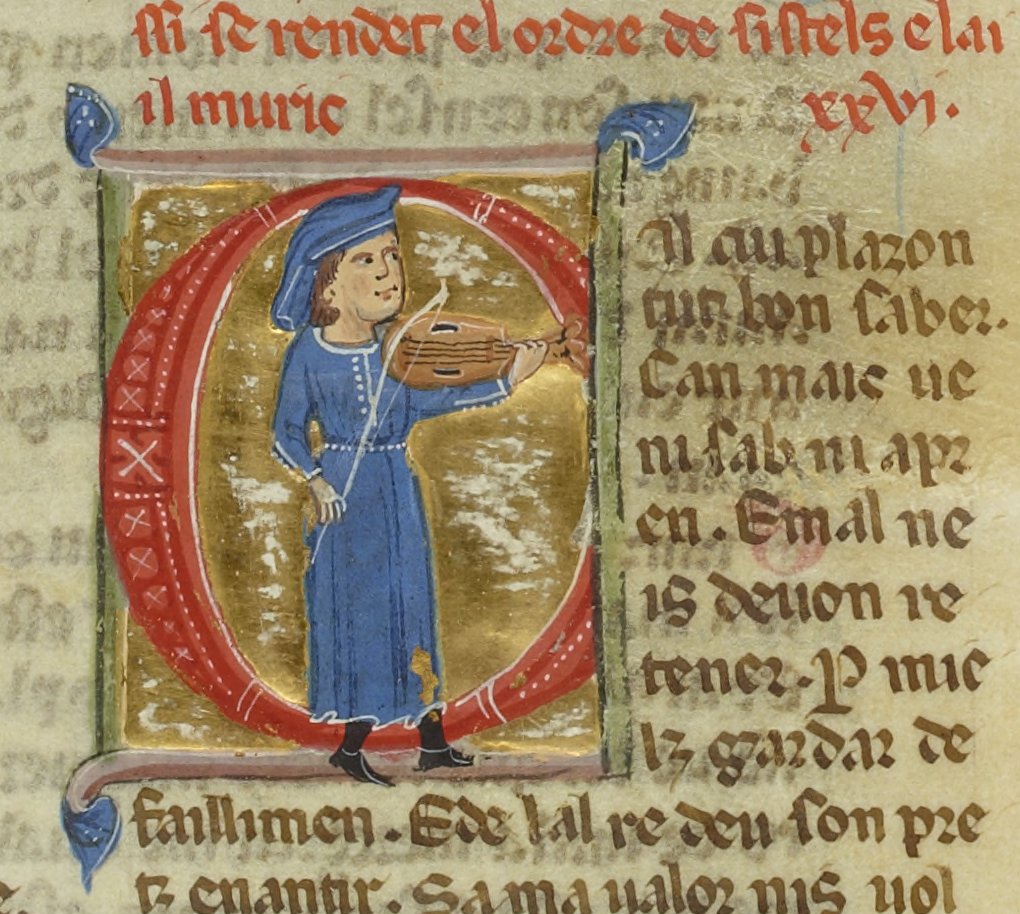
Troubadours were not just poets; they were also musicians! 🎵They played instruments like lutes, harps, and sometimes flutes during their performances. Their songs often had beautiful melodies that made people want to sing along! The performances were lively events held in courts and public spaces, where everyone could enjoy the music. Troubadours would also improvise, adding personal touches to their songs. They had a magic way of making their audience feel connected to their stories through music, creating an unforgettable experience! ✨
Old Occitan poetry is beautiful and unique! 🎼It often focuses on love, nature, and chivalry. Troubadours used clever wordplay and rhymes to make their songs catchy. Many poems followed a specific structure, including stanzas and refrains. The subjects often included “courtly love,” which is a kind of love that is idealized and respectful. Troubadours also liked to include images of beautiful landscapes, like flowers 🌷 and rivers. The playful use of language made their poems enjoyable to listen to, making people feel a mix of emotions!
A few important manuscripts help us understand troubadour poetry! 📜One famous collection is called “the Chansonnier de la Sainte-Chapelle,” which has many songs written by different troubadours. The “Histoire de Guibert” is another important source, sharing lives and tales of troubadours. Many of these historical writings were preserved in medieval libraries, helping us learn about their works today. These documents are treasures that give us insight into the beautiful world of troubadours and their enduring legacy that shapes music forever! ✨
Troubadours changed how people wrote and shared poetry across Europe! 📖Their clever use of language and deep emotions inspired many poets in places like Italy and Spain. One famous Italian poet, Dante Alighieri, admired troubadour poetry and used some of their ideas in his works. The style and themes they introduced created a bridge between poetry and storytelling. This means troubadours helped kickstart a bigger literary movement, leading to more creativity and artistic freedom in Medieval Europe! Artistic ideas traveled, spreading like wildfire! 🔥


DIY is a creative community where kids draw, build, explore ideas, and share.
No credit card required