Thysanoptera, or thrips, are tiny, slender insects with fringed wings and unique asymmetrical mouthparts that feed on plant fluids.

Set reading age
View for Kids
Easy to read and understand
View for Students
Clear, detailed explanations
View for Scholars
Deep dives and big ideas
Did you know that thrips are tiny insects known as Thysanoptera? 🦗They are so small that many of them are less than 1 millimeter long! These little critters have long, skinny bodies and their wings are fringed, looking like tiny feathers. Thrips live all over the world and can be found in gardens, farms, and even houses! 🌍They are unique because they have asymmetrical mouthparts, which means one side is different from the other. This helps them to suck juice from plants! Let's explore the fascinating world of thrips together! 📖
Thrips are important to farmers and gardeners! 🌾They can be both friends and foes. On one hand, they help pollinate plants, which helps produce fruits and vegetables. 🍓On the other hand, some species can cause damage to crops by sucking out nutrients, leading to less harvest! Farmers often watch for thrips to protect their plants. If too many of them show up, it can mean reduced crops or poor quality produce. So, knowing about thrips helps farmers take care of their plants and grow healthy food! 🍏
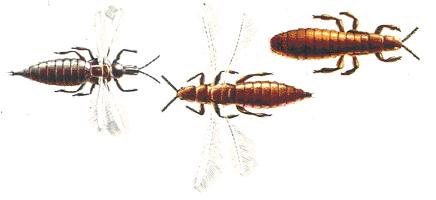
Thrips are fascinating to look at! 🧐They typically measure between 0.5 to 15 millimeters long. Their bodies are slender and elongated, which helps them to move between flowers and leaves. They have fringed wings that make them excellent fliers. 🕊️ Plus, their unique mouthparts allow them to feed on plants by piercing the tissue and sucking out the sap. This special design helps them to survive in different habitats. Each species of thrip can have different colors, ranging from yellow to brown! 🌈When you look closely, you can see how tiny details make them unique!
Thrips can live in many different habitats! 🌿They are often found in gardens, fields, and forests all around the world. 🌍You can find them on all continents except Antarctica! Thrips usually prefer spaces where they can easily access plants, like flowers, fruits, and vegetables. 🍅Some favorite plants include roses, beans, and strawberries! They can also thrive in greenhouses or indoor plants. Because they can live almost anywhere, people need to keep an eye out for these tiny insects, especially in their gardens! 👩🌾
Thrips are social creatures! 🦗They often live in large groups to find food more effectively and protect each other. When it’s time to reproduce, a female thrip can lay hundreds of eggs at once! 🌼They choose healthy plant tissues to ensure the larvae have plenty to eat when they hatch. Male thrips also have unique courting behaviors; they can dance to attract females! 💃It’s fascinating to see how these tiny insects interact and reproduce in their environment. Watching them carefully can teach us about teamwork! 🤝
Scientists study thrips to understand their impact in different ecosystems. 🧑🔬 Research helps to find better ways to manage them and protect plants. Some scientists explore their role in pollination and pest control. 🦋Conservation is also key, as protecting plant habitats helps thrips thrive. By understanding how thrips affect both plants and the environment, we can develop strategies to keep our gardens and farms healthy! 🌍Every little bit of knowledge contributes to saving our ecosystems! That's why learning about these insects is important for a better future! 🌱
Thrips are unique feeders! 🌱They use their needle-like mouthparts to suck juices from plants. Their favorite snacks include flower petals and leaves. 🥬This feeding can sometimes cause damage to the plant, making it look unhealthy. Some thrips also feed on other pests like mites and even fungi! 🌼This makes them important for keeping some plant pests in check. They even help pollinate flowers while they feed! 🌸So, while they may be tiny, they play a big role in the ecosystem, keeping plants healthy and flourishing!
Thrips have a really interesting life cycle! 🌱It starts when a female thrip lays tiny eggs, often inside plant tissues. 🥬These eggs hatch into larvae, which look like tiny versions of adults but are wingless. The larvae eat plant sap and grow quickly. After a few days, they become pupae, where they change into adult thrips! 🦗This process is called metamorphosis. It usually takes about 10 to 20 days for them to grow from an egg to an adult, depending on the species and temperature. Isn't it cool how they change? 🌞
Managing thrips effectively is important for gardens and farms! 🏡One strategy is to use sticky traps to catch them. These traps are bright yellow or blue, which attracts thrips. 🌈Another method is introducing natural predators, like ladybugs or lacewings, that eat thrips. 🍽️ Farmers can also use insecticidal soaps to help control their numbers, but it's essential to use them safely. Crop rotation helps too, meaning farmers plant different crops each season. By taking these steps, they keep plants healthy while also allowing thrips to play their role in nature. 🌻
Thrips belong to the order Thysanoptera. 🌿Thysanoptera is derived from Greek words meaning "fringe" and "wings." There are about 6,000 different species of thrips worldwide! 🌎Some common types include the Western Flower Thrips and the Onion Thrips. They are classified into two main suborders: Terebrantia, which have wings that extend beyond their bodies, and Tubulifera, which do not. Researchers study these little bugs to better understand their role in nature. So next time you see one, remember they are part of a big family with lots of interesting members! 🐜
Thrips are not just modern insects; they have a fascinating history! 🦕Fossils show that they have been around for over 400 million years! They belong to a group called plecopteran insects, which also includes other small bugs. Scientists have found thrip fossils in places like amber and sedimentary rocks, helping us understand how they evolved. This means they have survived various changes in Earth’s climate and habitats! 🌎Their ability to adapt to different environments is one reason why thrips are still around today. Isn’t evolution amazing? ✨


DIY is a creative community where kids draw, build, explore ideas, and share.
No credit card required