Thubten Gyatso Facts For Kids
Thubten Gyatso, the 13th Dalai Lama, was a pivotal leader in Tibet from 1876 to 1933, known for modernizing the nation and promoting Tibetan culture and Buddhism.
Select reading age

Thubten Gyatso Facts For Kids
Videos & Quizzesincluded
About this topic
Thubten Gyatso, known as the 13th Dalai Lama, was a very important leader for Tibet! 🏔️ He was born in 1876 and became the Dalai Lama at a young age. The Dalai Lama is a title that means "Ocean Teacher." Thubten Gyatso helped Tibet during tough times and is loved by many people today. He wanted peace and unity for his country and guided Tibetans through many challenges. This fascinating man was not only a spiritual leader but also a political one who fought for Tibet's independence.
Explore with ChatDinoKey Points
Thubten Gyatso played a big role in protecting Tibetan culture!
Thubten Gyatso became the 13th Dalai Lama in 1895 when he was just 19 years old!
Thubten Gyatso was not just a political leader; he was also a spiritual guide!
Thubten Gyatso was born in a small village called Taktsang in 1876.
Thubten Gyatso was known for his warm personality and caring nature.
Today, people honor Thubten Gyatso in many ways!
Thubten Gyatso had a significant influence on Tibetan Buddhism!
During Thubten Gyatso's leadership, Tibet faced many political challenges.
In 1910, Thubten Gyatso went into exile when the Chinese invaded Tibet.
Thubten Gyatso’s legacy is celebrated in Tibet and beyond!
Photos of Thubten Gyatso

Thubten Gyatso — photo 1

Retreat of the 13th Dalai Lama, Nechung, Tibet
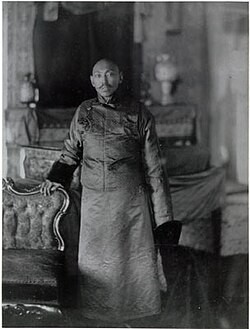
The 13th Dalai Lama in 1910 in Darjeeling, India

The 13th Dalai Lama of Tibet, British Political Officer Charles Bell (both seated), and Sidkeong Tulku Namgyal of Sikkim in 1910.

13th Dalai Lama in 1932, the year prior to his death
🎨 Cultural Influence
Thubten Gyatso played a big role in protecting Tibetan culture! 🎨He loved Tibetan art, music, and dance. He encouraged locals to create beautiful works and share traditional stories. Through his efforts, he helped keep Tibetan customs alive despite outside pressures. He also promoted the Tibetan language by supporting education in schools. 📖The 13th Dalai Lama believed that when people appreciate their culture, it brings happiness and unity. His influence made Tibet a vibrant cultural place that continues to inspire today.
Go deeper🥳 Rise To Leadership
Thubten Gyatso became the 13th Dalai Lama in 1895 when he was just 19 years old! 🥳It was a big responsibility because Tibet was dealing with many outside influences. He had to learn quickly how to lead his people. The young Dalai Lama was eager to learn about government and world affairs. 🌍He bravely faced many challenges, including the British presence in Tibet. Thubten Gyatso worked to protect Tibetan culture and independence while establishing his own leadership style.
Go deeper✨ Religious Contributions
Thubten Gyatso was not just a political leader; he was also a spiritual guide! ✨He worked hard to spread Tibetan Buddhism, teaching the values of compassion and kindness. He held prayer ceremonies and was involved in many religious activities. Thubten Gyatso also encouraged the study of Buddhism among monks and laypeople, making sure everyone had access to spiritual teachings. 🙏He became a symbol of peace and harmony, helping unite the Tibetan people through their shared beliefs.
Go deeper🌟 Early Life And Education
Thubten Gyatso was born in a small village called Taktsang in 1876. 🌟At just two years old, people believed he was the reincarnation of the 12th Dalai Lama! This huge belief meant he had a lot to learn. He studied Tibetan Buddhism and history, which included lessons on kindness and compassion. 📚With the guidance of wise teachers, he became very knowledgeable. When he was officially recognized as the Dalai Lama, he began his important journey to lead the Tibetan people.
Go deeper💗 Personal Life And Beliefs
Thubten Gyatso was known for his warm personality and caring nature. 💗He believed in helping others and often encouraged people to be compassionate. His teachings focused on non-violence and peace, which are core values in Buddhism. He did not marry, as he was devoted to his service as the Dalai Lama. Thubten Gyatso loved nature and enjoyed spending time outdoors, finding happiness in the beauty of the mountains and skies. 🌄His personal beliefs shaped his leadership and inspired many!
Go deeper🎉 Memorials And Commemorations
Today, people honor Thubten Gyatso in many ways! 🎉There are statues, paintings, and temples dedicated to the 13th Dalai Lama in Tibet and other countries. Special ceremonies and festivals celebrate his life and teachings. Schools teach his story to help children understand his importance. 🏫Every year, people express gratitude for his contributions to spirituality and peace, making sure his memory continues to inspire new generations!
Go deeper🕉️ Influence On Tibetan Buddhism
Thubten Gyatso had a significant influence on Tibetan Buddhism! 🕉️ He helped maintain its practices during the turbulent times of the early 20th century. Under his leadership, Buddhism flourished. The Dalai Lama reinstated many ancient customs and encouraged the study of scriptures. He also supported various monasteries, helping monks in their spiritual journeys. 🙌His work ensured that Tibetan Buddhism remained strong and vibrant, influencing many modern practitioners around the world.
Go deeper🏛️ Political Challenges And Reforms
During Thubten Gyatso's leadership, Tibet faced many political challenges. 🏛️ There were conflicts with foreign nations, especially the British and Chinese. The 13th Dalai Lama took brave steps to modernize Tibet. He built roads, schools, and telegraphs, helping connect different regions. 📡He believed in improving the lives of the Tibetan people and making the government more efficient. These reforms helped Tibet become stronger, showing that change can lead to progress!
Go deeper🌏 Exile And International Relations
In 1910, Thubten Gyatso went into exile when the Chinese invaded Tibet. 🌏He traveled to India to seek help for his country. While in exile, he made many important international connections. He met diplomats and leaders to discuss Tibet’s situation. He bravely shared Tibet’s story and the need for independence. In 1913, he returned to Tibet and worked hard to strengthen its borders and protect its traditions. His travels taught him the importance of friendship between countries.
Go deeper🌟 Legacy And Historical Significance
Thubten Gyatso’s legacy is celebrated in Tibet and beyond! 🌟People remember him for his role in modernizing Tibet and advocating for its independence. His teachings about kindness and peace have left a lasting impact. Teachers continue to share his story with children, making sure his messages are never forgotten. It is essential to remember leaders like the 13th Dalai Lama, who fight for good and inspire future generations!
Go deeper