Things Fall Apart Facts For Kids
Things Fall Apart is a seminal novel that portrays the complexities of Igbo society and the profound changes brought by colonialism through the life of Okonkwo, a proud and ambitious leader.
Select reading age
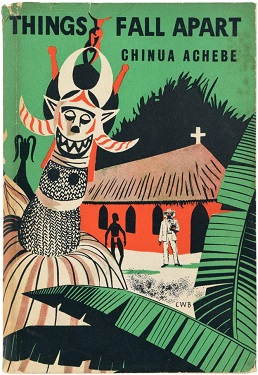
Things Fall Apart Facts For Kids
Videos & Quizzesincluded
About this topic
"Things Fall Apart" is a famous novel written by Nigerian author Chinua Achebe, published in 1958. 📚The story is set in the late 1800s in a village called Umuofia in Nigeria. It follows the life of Okonkwo, a strong and respected leader. The book explores how life changes for the Igbo people when British colonists arrive. It shows the struggles between traditional Igbo culture and new influences. This book is important because it tells the story of African traditions and the effects of colonialism. 🌍"Things Fall Apart" has been translated into over 50 languages, making it a global favorite!
Explore with ChatDinoKey Points
The story starts with Okonkwo, who is known for his strength.
"Things Fall Apart" continues to have a powerful impact on readers, inspiring generations to learn about African culture.
"Things Fall Apart" explores several important themes.
Critics have praised "Things Fall Apart" for its authentic portrayal of Igbo life and the challenges faced during colonization.
"Things Fall Apart" is essential for understanding Igbo culture and the impact of European colonialism in Africa.
Chinua Achebe was born on November 16, 1930, in Ogidi, Nigeria.
"Things Fall Apart" has inspired various adaptations, including stage plays and film versions.
Okonkwo is the main character of the story.
Photos of Things Fall Apart

Achebe in Lagos, 1966; eight years after the publication of Things Fall Apart

Cover of Things Fall Apart (1985) | Collage of film stills by Stephen Goldblatt
💪 Plot Summary
The story starts with Okonkwo, who is known for his strength. 💪He wants to be the best and works hard to avoid being like his father, who was a failure. However, his life takes a turn when he accidentally kills someone and is exiled for seven years. While he’s away, British colonizers and missionaries come to Umuofia, changing everything. When he returns, he finds that things are not the same, and his village struggles to adapt. 😟Okonkwo tries to fight against these changes, but he faces great challenges that lead to his tragic fate.
Go deeper🌍 Legacy And Impact
"Things Fall Apart" continues to have a powerful impact on readers, inspiring generations to learn about African culture. 🌍It has become a fundamental part of school curriculums and has sparked discussions about colonialism, identity, and tradition. Achebe's novel paved the way for African literature and encouraged writers to share their own experiences and stories. 📝Many consider Achebe one of the most important African writers because his work opened doors for new voices. By understanding "Things Fall Apart," readers can appreciate the richness of diverse cultures and recognize the importance of storytelling in understanding our world.
Go deeper📅 Themes And Motifs
"Things Fall Apart" explores several important themes. One big theme is tradition vs. change. 📅The conflict between Igbo customs and the new European ways shows how cultures can clash. Another theme is masculinity and strength, as Okonkwo believes that being strong means being tough. 🏋️ The story also discusses the consequences of colonialism, highlighting how it affects people's lives. Additionally, the idea of fate is present; Okonkwo tries to control his destiny but struggles against forces beyond his control. Overall, these themes teach us about importance of understanding different cultures and respect. ✨
Go deeper⚔️ Literary Criticism
Critics have praised "Things Fall Apart" for its authentic portrayal of Igbo life and the challenges faced during colonization. ⚔️ Achebe’s writing style includes proverbs and traditional storytelling, which helps immerse readers in the culture. Many believe the novel changed how Africa is represented in literature, moving away from colonial perspectives. Furthermore, it explores deep themes of identity, power, and community, making it relatable to people around the world. 📊Despite some criticism regarding its pacing, the book remains highly regarded as a literary masterpiece that offers valuable lessons for all ages.
Go deeper🌍 Cultural Significance
"Things Fall Apart" is essential for understanding Igbo culture and the impact of European colonialism in Africa. 🌍Achebe highlights the beauty of traditional Igbo life, including customs, farming practices, and social structure. The book helps readers learn about African heritage, showing that it is just as important as any other culture. 📖It has become a staple in schools around the world, helping promote discussions about race, identity, and cultural imperialism. The novel challenges common stereotypes about Africa and shares the complexities of Igbo traditions and beliefs, fostering greater respect and understanding for diverse cultures.
Go deeper🎉 Author And Historical Context
Chinua Achebe was born on November 16, 1930, in Ogidi, Nigeria. 🎉He wrote "Things Fall Apart" to share stories from his Igbo culture. During the time Achebe was writing, many African countries were dealing with European colonialism, which meant they were losing their traditional ways. Achebe wanted to show the beauty of Igbo life and the impact of colonization. The book offers a unique perspective, helping readers understand African history and culture. In 1960, Nigeria gained independence from British rule, making Achebe's novel even more relevant as it illustrates the challenges faced by his people. ✊
Go deeper🎬 Adaptations And Interpretations
"Things Fall Apart" has inspired various adaptations, including stage plays and film versions. 🎬In 1971, a stage adaptation by Nigerian playwright Michael Olatunji was performed, bringing the story to life on stage. In 2012, a film adaptation directed by Iyiola Sambi appeared, showcasing the Igbo culture and events of the book. Additionally, Achebe's work has influenced countless writers, leading to new stories exploring similar themes. 🌟The novel's impact extends beyond literature into art and music, showing how stories can inspire creativity in many forms and entertain audiences of all ages.
Go deeper🚀 Characters And Characterization
Okonkwo is the main character of the story. He is a fierce warrior 🚀 and believes in being strong and tough. However, his constant fear of weakness leads to his downfall. Other important characters include Nwoye, Okonkwo's son, who feels pressure from his father but embraces a different approach to life. 🎈Ekwefi, Okonkwo's wife, is strong and caring, representing the women of Igbo society. The village itself is also a character, showcasing the traditions and beliefs of the Igbo people. Each character plays a role in revealing the rich cultural tapestry and the impact of change in their world.
Go deeper