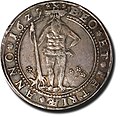
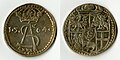
A thaler (or taler) is a large silver coin that was minted in the Holy Roman Empire and the Habsburg monarchy during the Early Modern period, popular for trade and valuable as currency.


Set reading age
View for Kids
Easy to read and understand
View for Students
Clear, detailed explanations
View for Scholars
Deep dives and big ideas
The thaler (or taler) is a big silver coin that was used a long time ago, especially in Europe! 🌍It originated during the Early Modern period, which started around the 1500s. The thaler was very important because it helped people buy things like food, clothes, and toys! 🛒This coin was usually quite large and heavy. Many countries made their versions of thalers. For example, the first thaler was minted in 1519 in a place called Joachimsthal, which is now in the Czech Republic. The thaler was so popular that it inspired the name for the dollar! 💵
Making thalers was an exciting process! 🏭First, miners would dig silver from mines and bring it to a special place called a mint. At the mint, workers would melt the silver and pour it into round shapes. After the coins cooled down, they would use a tool to stamp the thaler with cool designs, like pictures of kings or important symbols. 👑Finally, the thalers were checked for quality, and if they looked good, they would be ready for people to use! Each mint had its way of making these coins, making each one unique. 🔍
Thalers were more than just coins; they had cultural meaning too! 🎭In many regions, thalers featured artwork representing local heritage, like animals, plants, or famous people. People created stories and legends around these coins. 🎉Festivals often had thalers as prizes or gifts! They even show up in fairy tales and folktales, symbolizing wealth or treasure. Thalers helped different cultures understand each other better as they exchanged not only goods but also traditions! So, thalers became a part of the culture and storytelling in many European countries! 📚
The history of the thaler is fascinating! 🎉The first thaler was created in 1519 during a time called the Holy Roman Empire. The coin was named after the Joachimsthal silver mines. The coin spread quickly across Europe because it was reliable and had a lot of silver! Over time, many regions, like Austria and Germany, made their own thalers. People loved using thalers because their value was high, and they could buy lots of things. The thaler became a vital part of trade and currency, influencing how money was used for centuries! 📜
As years passed, thalers started to decline in use. 📉Countries began to create smaller coins, and paper money became popular! Some new coins were easier to carry around than heavy thalers. By the 1800s, many nations were replacing thalers with newer coins, phase them out slowly. The new currencies were more convenient for everyday shopping. ✨Even though thalers became less common, they didn't disappear completely; they held onto their historical charm as collectors’ items. Many people today still cherish these old coins! 🥇
Thalers had a big impact on European economies! 💰They were essential because they helped countries trade with one another. People could buy and sell goods more easily with thalers since they were trusted everywhere. This meant that farmers could sell their food, and merchants could trade spices or fabrics, boosting the economy! 📈Countries used thalers to pay armies and build cities, making them powerful. So, you could say, thalers were like magic coins that helped Europe grow and connect! 🌟
There were many different types of thalers! 🎨For example, some thalers were made in places like Bohemia, Hungary, and Tyrol. Each type had special designs, like the famous Maria Theresa thaler, which has her portrait. Maria Theresa was a powerful queen in Austria. 👸The thaler was not just one kind; regions kept creating their versions with different features. Some thalers even had special dates, showing when they were made! This variety made thalers exciting to collect, and each one told a different story of where it came from. 📅
Today, thalers are mainly collected by coin enthusiasts! 🥳Many people enjoy finding and trading these historical coins. Some thalers are worth a lot of money because they are rare or in great condition. Collectors love to learn about each thaler's story, which adds fun to their hobby! You can even find thalers in museums! 🏛️ They remind us of Europe's history and how people used to trade. Some modern currencies, like dollars, still show how much influence the thaler had on money today! 💳
The thaler has had a lasting influence on money systems! 💵Its name inspired the word "dollar," which is used in many countries, like the United States and Canada! The thaler introduced the idea of standardized money, where everyone knows its value. This helped develop modern currency systems we use today. 🌐Moreover, many nations learned from the thaler's design and started minting coins of their own. So, thalers weren't just coins; they paved the way for how we trade and use money in our everyday lives! 🌍✨
Thalers were superstars in trade and commerce! 🌟Merchants traveled across Europe with their thalers to buy and sell goods. Since everyone accepted them, it made trading exciting and easier! Picture this: a merchant might trade thalers for spices from India or silk from China. 🌐The thaler helped build relationships between countries and cultures. People learned about each other through their trades! Fun fact: in 1587, thalers became popular in trade with America as well. Thalers were not just coins; they were bridges connecting faraway places! 🌉


DIY is a creative community where kids draw, build, explore ideas, and share.
No credit card required