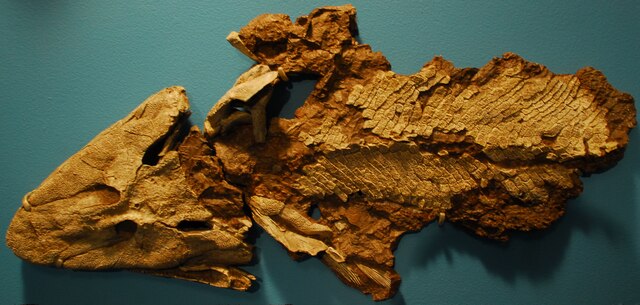
Tetrapoda is a class of animals that includes all four-limbed vertebrates, such as mammals, birds, reptiles, and amphibians, showcasing amazing adaptations for life on land.
Set reading age
View for Kids
Easy to read and understand
View for Students
Clear, detailed explanations
View for Scholars
Deep dives and big ideas
Tetrapoda is a super cool group of animals that means "four feet"! 🦶🦶🦵🦵 This includes animals like frogs, birds, dogs, and even humans! Tetrapods are special because they have four limbs. They are vertebrates, which means they have a spine like we do! These animals first appeared about 360 million years ago during a time called the Devonian Period. 🌍They evolved from fish that were brave enough to explore the land! Tetrapods come in many shapes and sizes, and each is unique in how it lives!
Many tetrapods, sadly, face challenges today! Some species are endangered because of habitat loss, pollution, or climate change. 🌿Many frogs are disappearing because their wet habitats are drying up! Organizations worldwide are working hard to protect them. 🌏For example, in the United States, the Endangered Species Act helps animals at risk. It's important for us to learn about and protect these animals, as they play key roles in our ecosystems and tell us about the health of our environment!
Tetrapods have four limbs that help them move in various ways! 🚶♂️ These limbs can be arms, legs, wings, or fins, depending on the animal. Frogs have long legs for jumping, while birds have wings for flying. 🦅They also have a backbone made of vertebrae that protects their spinal cord, which helps them stay balanced! Most tetrapods breathe through lungs, but some, like frogs, can also breathe through their skin! 🐸Their organs help them eat, move, and respond to their environment, making them perfect for life on land and in water!
Tetrapoda is a huge group with around 32,000 species! 🐾They can be divided into four main categories: amphibians (like frogs and salamanders), reptiles (like snakes and lizards), birds (like eagles and sparrows), and mammals (like dogs and humans). 🦴Each group has unique features! Amphibians often start life in water and move to land, reptiles can lay eggs, birds can fly, and mammals feed their babies milk! 🍼The diversity of tetrapods allows them to thrive in many environments, from jungles to deserts!
Tetrapoda began their journey from water to land around 360 million years ago! The earliest tetrapods were fish that had strong, bony fins. 🐟One of the first tetrapods was called Tiktaalik, which lived in what is now Canada. This amazing creature had traits of both fish and tetrapods, like lungs for breathing air! 🐸Over millions of years, these early animals evolved into different species. Some went back to the water and became modern whales, while others adapted to live on land, like snakes and lizards. 📅Isn't it fascinating how life on Earth changed!
Tetrapods have different ways of having babies! 🍼Many amphibians lay jelly-like eggs in the water that hatch into tadpoles. 🐸For example, frogs lay hundreds of eggs to increase the chances that some will survive! Reptiles usually lay eggs on land, while birds build nests to care for their eggs. 🥚Mammals, like humans, have live babies that grow inside the mother’s body for several months. Each of these strategies helps ensure the species survives in their environment. Isn’t nature amazing in how it finds solutions?
Tetrapods are vital for keeping ecosystems healthy! 🌍Frogs eat insects, controlling their populations, while snakes help keep rodents in check. 🐍Birds spread seeds around, helping new plants grow, and mammals can be pollinators! 🌼Each tetrapod plays a special role, creating a balance in nature. When one species is harmed, it can affect others too! For example, if frogs disappear, insect populations can explode, leading to other problems. 🌪️ It shows how every animal, no matter how small, is important for a healthy planet!
Tetrapods can be found in every corner of our planet! 🌏They live in various habitats, such as grasslands, forests, deserts, mountains, and oceans! Frogs prefer wet environments, while snakes enjoy dry areas. 🐍Birds can be found in trees, while mammals may live in burrows or caves. Some tetrapods migrate to find food or better climates. For example, the Arctic Tern, a bird, travels over 44,000 miles each year! 🐦Their ability to adapt to different habitats is what makes them so successful!
There are many fascinating tetrapod species! 🦒The African elephant is the largest land mammal, weighing up to 14,000 pounds! 🐘The Blue Poison Dart Frog has bright colors to warn predators, and it can be found in Madagascar! 🐸The Bald Eagle is a symbol of the United States and has a wingspan of up to 7 feet! 🦅Finally, the American Alligator can grow as long as 13 feet! 🐊Each of these remarkable animals has a unique story, helping teach us about the diversity and importance of tetrapods! 🌈
Tetrapoda are classified into four main groups. 🐊First, we have amphibians, like frogs and salamanders. 🐸Next, we have reptiles, such as turtles and lizards. Then come birds, which are warm-blooded, feathered creatures like robins and eagles! 🦅Lastly, we have mammals, which includes familiar animals like elephants and whales. 🐘Each group has its own unique characteristics and adapted features. Understanding their classification helps scientists study and protect them better!
Tetrapods have some incredible adaptations for life on land! 🏞️ Their limbs evolved to support their weight and allow them to walk, run, or fly! For example, birds have lightweight bones to easily soar in the sky! 🦅Some tetrapods developed tough skin or scales to keep them safe and prevent water loss. 🌵Others, like camels, store water to survive in dry climates! 🐫These adaptations help them find food, avoid danger, and thrive in an ever-changing world!


DIY is a creative community where kids draw, build, explore ideas, and share.
No credit card required