Telomere Facts For Kids
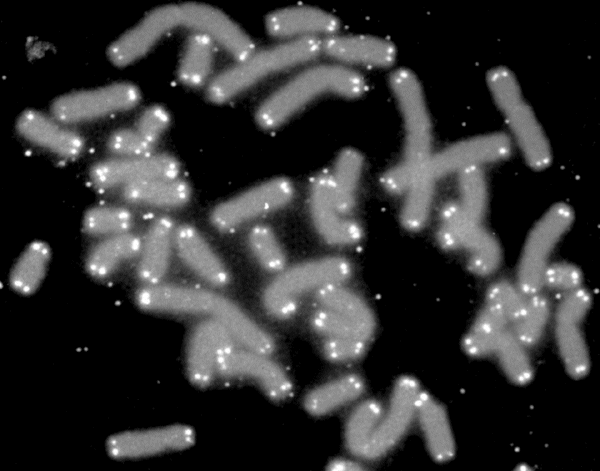
Telomeres are protective caps at the ends of chromosomes made of repetitive DNA sequences, crucial for keeping our genetic material safe during cell division.
Select reading age
Telomere Facts For Kids
Videos & Quizzesincluded
About this topic
Telomeres are special sections at the end of each chromosome! 🌟Chromosomes are long strings of DNA that contain our genes, which help create everything about us, from our eye color to how tall we are. Every time a cell divides, the telomeres get a tiny bit shorter. This is important because it helps our cells stay healthy. Telomeres protect our DNA from damage, like a plastic tip on shoelaces protects them from fraying. Think of them as nature's little caps that keep everything tidy! 🧬Did you know that we have about 46 chromosomes in each cell? That means lots of telomeres too!
Explore with ChatDinoKey Points
Meet telomerase, a special enzyme that helps rebuild telomeres!
Telomeres also play a key role in cancer!
Scientists are continuously researching telomeres to learn more about them!
A telomere is mostly made up of specific DNA repeats!
Telomeres play a vital role in keeping our DNA safe!
Telomeres are made up of repeating segments of DNA!
Measuring telomere length is crucial for understanding how our bodies age!
As we grow up, our telomeres get shorter!
Believe it or not, your lifestyle can influence your telomeres!
There are some disorders related to telomeres, called telomere-related genetic disorders!
Photos of Telomere

Lagging strand during DNA replication

Shelterin co-ordinates the T-loop formation of telomeres.

Synthesis of chromosome ends by telomerase

The average cell will divide between 50 and 70 times before cell death. As the cell divides the telomeres on the end of the chromosome get smaller. The Hayflick limit is the theoretical limit to the number of times a cell may divide until the telomere becomes so short that division is inhibited and the cell enters senescence.
🔧 Telomerase Enzyme
Meet telomerase, a special enzyme that helps rebuild telomeres! 🔧This enzyme adds new DNA repeats to the ends of telomeres, making them longer. Scientists believe that telomerase is used a lot in stem cells and some types of immune cells because they need to divide a lot. However, in most normal cells, telomerase is not very active, which is why telomeres get shorter. Some cancer cells can use telomerase too, which makes them able to grow and survive longer than they should. Understanding telomerase could help us develop treatments for aging and diseases! 🌱
Go deeper🦠 Telomeres And Cancer
Telomeres also play a key role in cancer! 🦠In many cancer cells, the telomeres don’t shorten like normal. Instead, they can become very long. This allows the cancer cells to keep dividing and growing without stopping. Think of it like weeds in a garden - if they can keep growing, they take over! That’s why scientists study telomeres to understand more about how to fight cancer. Finding ways to make cancer cells’ telomeres shorter could be important for developing new treatments! Every step forward helps us fight this tough opponent! 💪
Go deeper🔍 Research On Telomeres
Scientists are continuously researching telomeres to learn more about them! 🔍They're interested in how telomeres can affect our health and how to make them longer. Some exciting studies look at how things like exercise and diet can help keep our telomeres healthy! Researchers are also investigating how telomeres relate to diseases like Alzheimer’s and diabetes. By studying telomeres, scientists hope to answer big questions about aging and maybe even discover ways to help people live healthier lives. Research on telomeres is like a big puzzle, and scientists are working hard to put it all together! 🧩
Go deeper🎈 Telomeric Dna Repeats
A telomere is mostly made up of specific DNA repeats! For humans, the repeating unit is "TTAGGG." Each of these units is like a building block in a tower, stacked together to make the telomere. The telomeric repeats can be many thousands long! Each time a cell divides, it loses some of these repeating blocks. Scientists believe there are about 5,000 to 15,000 repeats in human cells when we are young. As we grow older, we lose some of these repeats, which helps scientists understand how aging works. Isn’t it cool how something so tiny can have such a big impact? 🎈
Go deeper🛡️ Functions Of Telomeres
Telomeres play a vital role in keeping our DNA safe! 🛡️ They prevent our chromosomes from sticking to each other, which helps keep our genetic information organized and intact. This is much like how a firework keeps its colors from blending together. Plus, telomeres help make sure that when our cells divide, the right amount of DNA goes into each new cell. Without healthy telomeres, cells could lose important DNA, leading to problems. So, telomeres are superheroes for our cells - they guard and protect the information that makes us who we are! 🦸♂️
Go deeper🧬 Structure Of Telomeres
Telomeres are made up of repeating segments of DNA! 🧬Specifically, they contain a sequence that is repeated many times, like "TTAGGG" in humans. Imagine a very long necklace with lots of identical beads; each bead is like a repeating part of the telomere. Telomeres can be compared to the aglet at the end of your shoelaces that prevents them from unraveling. They also contain special proteins that help protect the DNA from getting damaged. These proteins join together with the DNA to form a protective cap, like a helmet! 🛡️ So, telomeres are both unique and very important!
Go deeper📏 Telomere Length Measurement
Measuring telomere length is crucial for understanding how our bodies age! 📏Scientists can use special lab tests to find out how long or short your telomeres are. They usually take a sample of your blood or cheek cells and then measure the telomeres in the lab. With this information, they can understand more about your health and risk of diseases. New tools are being developed so that even more people can learn about their telomeres easily! Imagine if one day, measuring your telomeres could be as simple as getting your height checked! 📊
Go deeper⏳ Telomere Shortening And Aging
As we grow up, our telomeres get shorter! ⏳Every time our cells divide, we lose a little bit of the telomeric DNA. Scientists think this is part of why we age. When the telomeres get too short, cells can stop working properly, which can lead to aging signs like wrinkles. Interesting, right? The shortening of telomeres can often start happening even before we're adults! This is also why some researchers study telomeres closely. By understanding how they shorten, we can learn to promote healthy aging, just like taking care of a beloved toy to keep it nice and new! 🧸
Go deeper🏃♂️ Impact Of Lifestyle On Telomeres
Believe it or not, your lifestyle can influence your telomeres! 🏃♂️ Activities like regular exercise, a healthy diet, good sleep, and reducing stress can help keep telomeres from shortening too quickly. Studies have shown that people who practice yoga or spend time in nature often have healthier telomeres! On the other hand, unhealthy habits, like smoking and eating lots of junk food, can cause telomere shortening! 🌭This makes it super important to make good choices each day. By taking care of your body, you're also taking care of those precious telomeres, helping you feel great as you grow! 🍎
Go deeper🌍 Telomere-related Genetic Disorders
There are some disorders related to telomeres, called telomere-related genetic disorders! 🌍These disorders happen when telomeres are too short right from birth. Conditions like Dyskeratosis Congenita or Aplastic Anemia can affect a person’s health, making it harder for their bodies to fight off illnesses. Scientists are working hard to understand and find ways to help people with these conditions. It's important to continue supporting research into telomeres because it could lead to new treatments for people who need it the most! Every bit of progress can lead to better health and happiness! 🌈
Go deeper