Taxus Facts For Kids
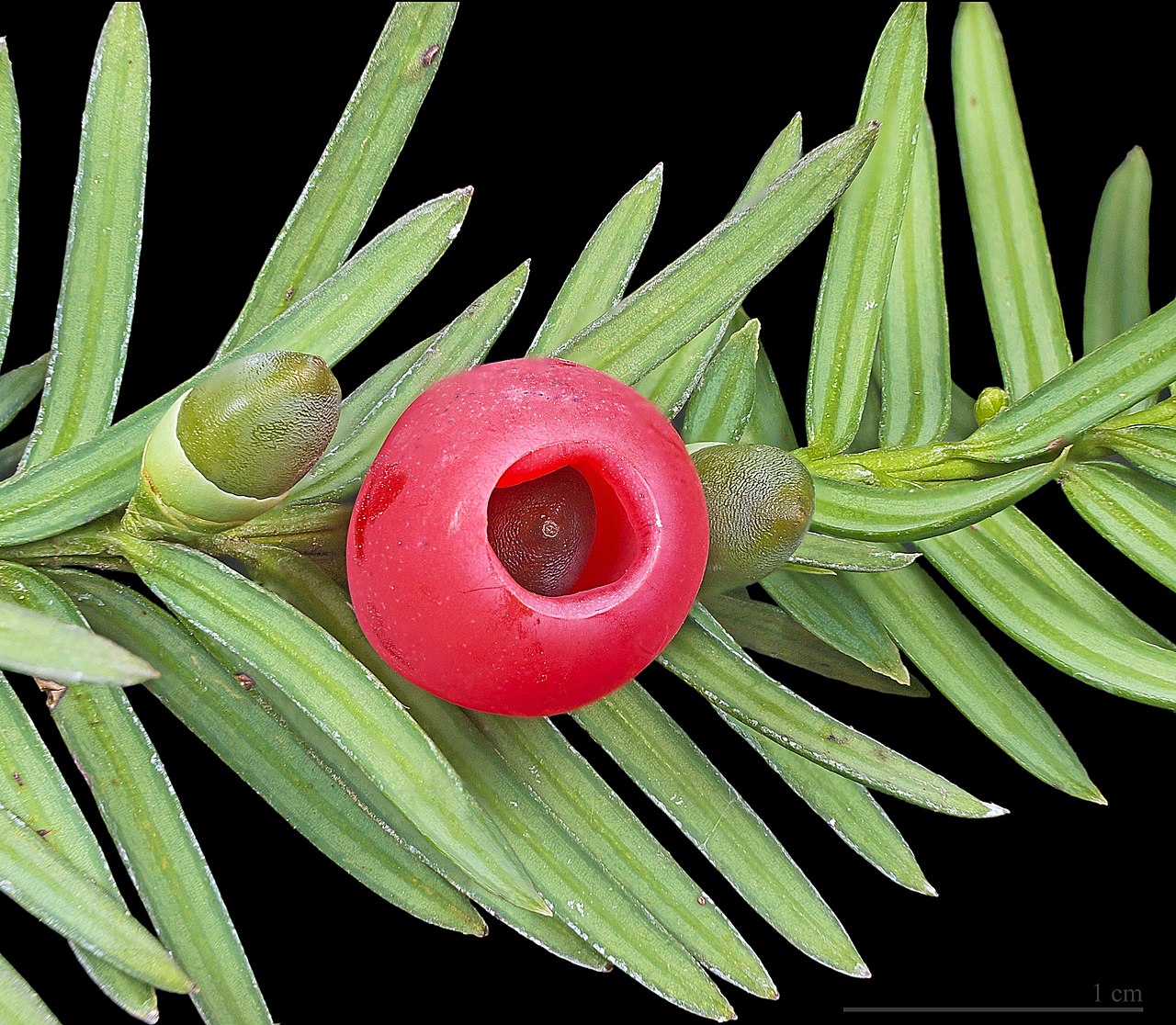
Taxus is a genus of coniferous trees or shrubs known as yews, which are evergreen and have dark green needle-like leaves.
Select reading age
Taxus Facts For Kids
Videos & Quizzesincluded
About this topic
Taxus, commonly known as yews, are special trees and shrubs in the family called Taxaceae! 🌳They are evergreen, meaning they keep their green leaves all year. Yews come in many shapes and sizes, some reaching heights of up to 60 feet (18 meters) tall! These plants are found in different parts of the world, such as Europe, Asia, and North America. They are not just pretty to look at; they also play an essential role in the environment. Did you know? Yews can live for hundreds of years! That makes them wise trees! 🌲
Explore with ChatDinoKey Points
Yews have been used for medicine for a very long time!
Like other plants, yews can have a few problems!
Many yew species face threats from habitat loss and overharvesting.
Growing yews can be easy and fun!
Yews are unique because they reproduce using both seeds and berries.
Yews have been a part of many cultures and traditions for centuries!
Yews play a significant role in the ecosystem!
Yews like to grow in different habitats.
Yews have unique leaves!
Yews belong to the genus Taxus, which has several species, like Taxus baccata (European yew) and Taxus canadensis (Canadian yew).
Photos of Taxus

A replica of Ötzi's yew and copper axe

Seeds of Taxus baccata

Foliage of Mexican yew

Japanese yew outside Hachinohe Station

4112 year old Taxus in Anatolia

Male (pollen-producing) cones of Taxus baccata
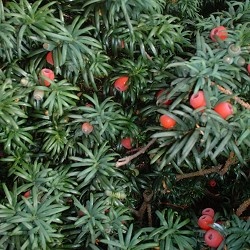
Foliage of Irish yew; note the leaves spreading all round the erect shoots

Oldest Polish specimen of European yew (1200 years)
🌿 Medicinal Uses
Yews have been used for medicine for a very long time! 🌿Certain compounds from the yew tree are used to make medicines that help fight cancer, like paclitaxel (Taxol). This medicine is sourced from the bark of some yew species. It works by stopping cancer cells from growing! However, it is essential to note that while yews have medicinal properties, some parts of the tree can be poisonous. Always consult a doctor or an expert before using plants for medicine! 😊
Go deeper🐛 Pests And Diseases
Like other plants, yews can have a few problems! 🐛Pests such as aphids and scale can love to munch on yew leaves. To keep yews healthy, gardeners can wash plants with soapy water or use insecticidal soap. Yews may also face diseases like root rot if the soil is too wet. 🌧️ Keeping the soil well-drained is vital! Regularly checking plants for signs of pests or sickness helps keep yews looking their best. With care, you can protect your yews from harm! ✨
Go deeper🚫 Conservation Status
Many yew species face threats from habitat loss and overharvesting. 🚫Some, like Taxus brevifolia (Pacific yew), are considered vulnerable. Conservation efforts are being made to protect yews by preserving their habitats in forests and parks. 🌳It's important for everyone to help by learning about these fantastic trees and supporting their conservation! By taking care of nature, we can ensure that yews will continue to flourish for generations to come! 🌍✨
Go deeper🌱 Cultivation And Care
Growing yews can be easy and fun! 🌱They prefer well-drained soil and partial shade, making a garden spot perfect for them. Yews can be planted as seeds, cuttings, or small plants. When planting, it’s good to space them out about 3 to 10 feet (1 to 3 meters) apart depending on their size. Regular watering is important, especially in hot weather. They don’t need much pruning, but trimming dead branches helps keep them healthy. 🌳Over time, your yew will grow strong and beautiful!
Go deeper💖 Reproductive Biology
Yews are unique because they reproduce using both seeds and berries. 💖They are dioecious, which means there are male and female plants. Male yews produce small cones filled with pollen, while female yews create the iconic red arils that contain seeds. During the spring, male flowers release pollen into the air. This pollen then travels to the female flowers, allowing them to produce seeds and grow new yews! 🌱It can take a few years for the seeds to grow into new plants, but with care, they can flourish beautifully!
Go deeper🎉 Cultural Significance
Yews have been a part of many cultures and traditions for centuries! 🎉In ancient times, yews were often found in churchyards in Europe and symbolized eternity. In Celtic mythology, yews represented rebirth and protection. Yews have also been used to create beautiful bows for archery due to their tough wood. 🎯In some cultures, these trees are associated with magic and mystery! Yews are not just pretty; they carry stories that connect people to nature and history, reminding us of the beauty around us! 🌿
Go deeper🌎 Ecological Importance
Yews play a significant role in the ecosystem! 🌎They provide shelter and food for many animals, including birds and insects. The red arils are especially tasty for birds, while the thick foliage offers hiding spots for small creatures. Yews also help stabilize the soil, preventing erosion and supporting other plants nearby. 🌱They are part of the food web, helping numerous species thrive. By being a part of their communities, yews help maintain a healthy environment, making them a vital plant!
Go deeper🌲 Habitat And Distribution
Yews like to grow in different habitats. They are mostly found in shady areas of forests and woodlands. 🌲The European yew can be found in countries like England, France, and Germany. The Canadian yew prefers cooler climates, growing in areas of Canada and the northeastern United States. Yews enjoy moist, well-drained soil and can even thrive in rocky areas! 🏔️ Because of their adaptability, they can be found in gardens and parks all around the world as well! 🌍
Go deeper🍃 Physical Characteristics
Yews have unique leaves! 🍃Their needle-like leaves are soft and dark green. They can grow up to 1 inch (2.5 cm) long. Yews also produce small, red fruit called arils that look like little jellybeans! 🍒While the fruit is safe to eat, the leaves and seeds can be poisonous, so be careful! Yews have a beautiful, flaky bark that can range in color from brown to gray. These trees are known for their sturdy wood, which is often used in furniture-making! 🪑
Go deeper🗺️ Taxonomy And Classification
Yews belong to the genus Taxus, which has several species, like Taxus baccata (European yew) and Taxus canadensis (Canadian yew). 🗺️ The classification goes like this: Kingdom - Plantae (all plants), Phylum - Pinophyta (cone-bearing plants), Class - Pinopsida (coniferous trees), Order - Taxales, and Family - Taxaceae (yew family). Each species belongs to this unique family, but they can look different and hang out in various places. 📚Understanding how they are organized helps scientists study them better!
Go deeper