Tanzimat Facts For Kids
The Tanzimat was a period of significant reforms in the Ottoman Empire from 1839 to 1876, focused on modernization and the adoption of Western ideas to strengthen the state and promote equality among its diverse citizens.
Select reading age

Tanzimat Facts For Kids
Videos & Quizzesincluded
About this topic
The Tanzimat was a special time in the Ottoman Empire, which lasted from 1839 to 1876. 🕌The Ottomans ruled over parts of Europe, Asia, and Africa. During the Tanzimat, the leaders wanted to make changes to improve the empire! They were inspired by Western ideas, especially from countries like France and England. In 1839, the Edict of Gülhane was announced. This important document promised rights and protections to all people, regardless of their religion. This was like a new set of rules for everyone! 🎉
Explore with ChatDinoKey Points
During the Tanzimat period, many important changes happened.
The changes during the Tanzimat period helped shape a new society!
The Tanzimat also included changes to help the economy grow!
The Tanzimat reforms greatly affected politics in the Ottoman Empire.
The Tanzimat period created a vibrant cultural atmosphere!
The legacy of the Tanzimat continues to influence today's world.
The Ottoman Empire was founded in 1299 and grew very large, but by the 1800s, it was facing many problems!
The Tanzimat period created lasting impacts on the Ottoman Empire!
Not everyone agreed with the reforms during the Tanzimat.
Tanzimat reforms can be compared to other reform movements, like Japan’s Meiji Restoration in the late 1800s.
Photos of Tanzimat

Mustafa Reşid Pasha, chief architect of the Tanzimat reform
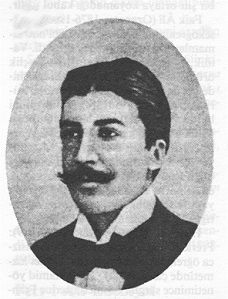
Cenab Şehabeddin was known for his liberal ideals and poetry influenced by French Symbolism.

Tanzimat — photo 3

Tanzimat — photo 4

Tanzimat — photo 5

Tanzimat — photo 6

Tanzimat — photo 7

Tanzimat — photo 8

Mustafa Reşid Pasha, the principal architect of the Edict of Gülhane

Mehmed Emin Âli Pasha, the principal architect of the Imperial Reform Edict of 1856.
🚦 Key Reforms
During the Tanzimat period, many important changes happened. 🚦In 1856, the Ottoman Empire introduced the Hatt-ı Hümâyûn, which gave legal rights to all citizens, including non-Muslims. They created new schools to teach modern subjects like science and math. 📖The military was modernized, and better weaponry was introduced. Public health also improved, which made life better for many citizens! With these changes, the empire started to become more organized, hoping to catch up with European nations. This was a time of exciting new ideas and improvements! 🌍
Go deeper🤝 Social Changes
The changes during the Tanzimat period helped shape a new society! 🤝People started to believe they all had equal rights, regardless of their background. This led to more friendship between different religions, like Muslims, Christians, and Jews. 🕊️ People began talking about new ideas, and more newspapers and books started to appear. Education became important, with boys and girls attending new schools! 🎓This shift created a sense of identity among people, helping them feel connected and proud of being part of the Ottoman Empire.
Go deeper💰 Economic Reforms
The Tanzimat also included changes to help the economy grow! 💰Leaders wanted to modernize trade and agriculture. Better roads and railways were built to make transporting goods easier. 🚂The government encouraged farming by providing new tools and techniques. Taxes became clearer, which meant more money for public services like schools and hospitals. They even created a system for factories to produce products faster. These changes aimed to make the Ottoman Empire more competitive with Europe and boost prosperity for everyone involved!
Go deeper🌐 Political Impact
The Tanzimat reforms greatly affected politics in the Ottoman Empire. 🌐The government aimed for a more organized way of ruling. New laws were made to give everyone, including Christians and Jews, a voice. To create a fair justice system, judges were trained better. ⚖️ This led to more taxes being paid equally by all groups. However, some traditionalists worried the changes were too Western and threatened their way of life. Over time, political clubs formed within communities, and people began discussing how they wanted their country to be run!
Go deeper🎨 Cultural Influence
The Tanzimat period created a vibrant cultural atmosphere! 🎨Artists and writers flourished, inspired by Western styles. Many new novels were written, presenting different ideas and stories. 🖊️ Poetry from this time reflected feelings of change, freedom, and identity. The arts, like music and theater, also adapted to new influences, creating a blend of traditional and modern themes. Festivals started to showcase this cultural fusion, highlighting both local and foreign talents. Through literature and art, people expressed their hopes for the future!
Go deeper😃 Modern Implications
The legacy of the Tanzimat continues to influence today's world. 😃Many principles of equality and rights among citizens can trace their roots back to this time. Countries that were once part of the Ottoman Empire still feel effects of those reforms, such as discussions about human rights and citizenship. People discuss how to balance cultural tradition with the needs of modern society. Learning from the past helps guide countries toward a better future for everyone. 🌈The lessons of Tanzimat remind us of the importance of understanding, acceptance, and progress!
Go deeper⚔️ Historical Background
The Ottoman Empire was founded in 1299 and grew very large, but by the 1800s, it was facing many problems! ⚔️ Many people were unhappy, and Western countries were growing powerful. The empire wanted to stay strong, so leaders decided reforms were needed. The Tanzimat period began after the Edict of Gülhane in 1839. Leaders like Sultan Mahmud II, who ruled from 1808 to 1839, started these reforms before the Tanzimat. They wanted to modernize the army, education, and government. The goal was to make the empire more like the Western nations that had advanced quickly! 📚
Go deeper🌟 Legacy Of The Tanzimat
The Tanzimat period created lasting impacts on the Ottoman Empire! 🌟Many reforms paved the way for future changes in the government and society. Citizens started to think of themselves as part of a nation, which fueled the idea of nationalism. ✊The new laws gave people more rights, influencing later leaders. While some improvements worked well, others faced struggles. Today's countries in the region still carry some influences from these reforms of the past. The Tanzimat set the stage for the modernization that followed!
Go deeper🤔 Criticism And Resistance
Not everyone agreed with the reforms during the Tanzimat. 🤔Some traditional leaders and groups thought these changes were too influenced by the West. They believed it threatened their culture and values. As a result, many protests and disagreements occurred. Some saw these attempts as confusing or unnecessary. Traditionalists wanted to keep the old ways, while reformists wanted progress. This struggle led to debates that shaped the future of the Ottoman Empire. The criticism sparked discussions about identity and how to balance the old and new!
Go deeper🌸 Comparative Analysis With Other Reforms
Tanzimat reforms can be compared to other reform movements, like Japan’s Meiji Restoration in the late 1800s. 🌸(Japan) also sought modern changes but with a focus on strengthening national identity and technology. The Tanzimat was more about legal rights across different communities. Both aimed to catch up with Western powers. While the Tanzimat faced resistance from traditionalists, Japan’s changes often had more governmental support. 🌍This comparison shows how different cultures approached modernization while dealing with their unique histories and challenges!
Go deeper