Tamil Calendar Facts For Kids
The Tamil calendar is a lunisolar calendar widely utilized in Tamil culture for religious, agricultural, and cultural events.
Select reading age
Tamil Calendar Facts For Kids
Videos & Quizzesincluded
About this topic
The Tamil Calendar 🌟 is a unique calendar system used by Tamil people, primarily in the Indian state of Tamil Nadu and in countries like Sri Lanka. It is a lunar calendar, which means it tracks the moon’s phases to determine months. The Tamil year is made up of 12 months, which adds up to around 365 days, similar to the Gregorian calendar that most people use today. The new year often falls in April, and it's a time filled with joy and excitement for families who celebrate together with traditional food and festivities! 🎉
Explore with ChatDinoKey Points
Today, the Tamil Calendar is not just for farmers or rural folks.
If you're curious about the Tamil Calendar and want to learn more, there are many fun resources!
The Tamil Calendar has a history that goes back thousands of years!
Agriculture is very important in Tamil Nadu, and the Tamil Calendar plays a huge role in farming!
The Tamil Calendar is different from the Gregorian calendar, which many people worldwide use.
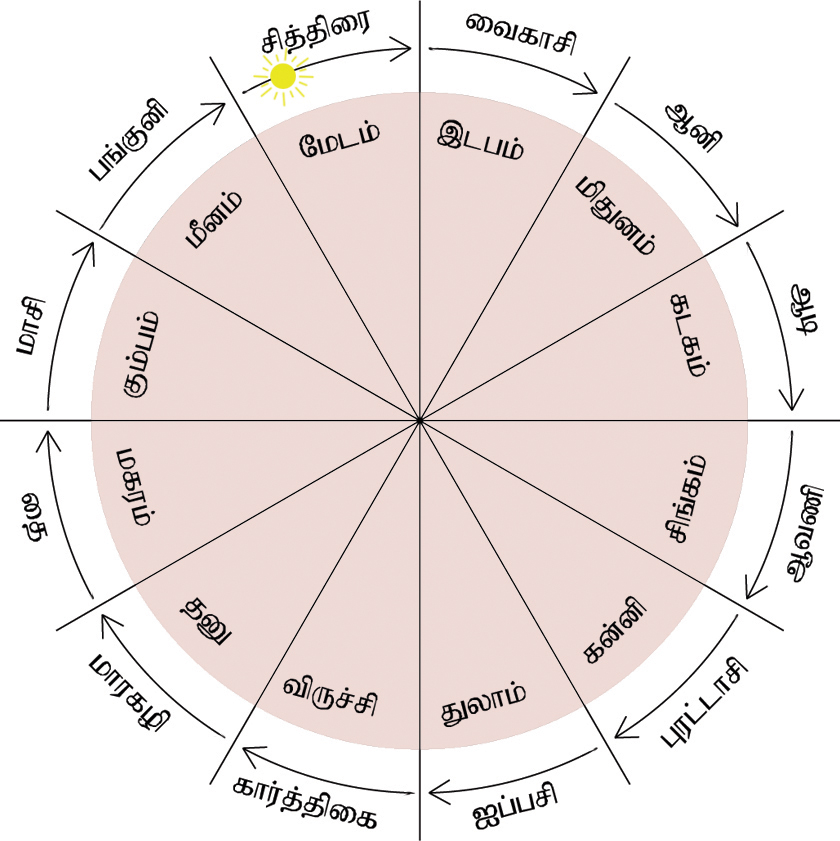
The Tamil Calendar has 12 months named Chithirai, Vaikasi, Aani, Aadi, Avani, Purattasi, Aippasi, Karrtikai, Margazhi, Thai, Maasi, and Panguni 🗓️.
The Tamil Calendar is filled with vibrant festivals!
The Tamil Calendar is a key part of Tamil culture!
🌍 Modern Usage
Today, the Tamil Calendar is not just for farmers or rural folks. 🌍Even in modern cities, many people use it to plan their daily lives. Schools, businesses, and communities still celebrate festivals based on this calendar. Technology helps too; there are apps and websites that let you track the Tamil months and festivals easily! 🎉Many Tamil people living worldwide also refer to the calendar during celebrations to keep their culture alive, no matter where they are. The Tamil Calendar is a beautiful way to connect to one's roots!
Go deeper📚 Learning Resources
If you're curious about the Tamil Calendar and want to learn more, there are many fun resources! 📚You can read books about Tamil culture or visit websites specifically designed for kids to explore. Public libraries often have sections on world cultures. 🎨Watching documentaries or videos about Tamil festivals can also be really entertaining. Don’t forget to ask your parents or teachers for suggestions! You might even enjoy participating in local Tamil community events and festivals! Engage, explore, and enjoy learning! 🌈
Go deeper📜 Historical Significance
The Tamil Calendar has a history that goes back thousands of years! 📜It is believed that the ancient Tamils created this calendar for farming, festivals, and important events. The famous King Karikalan of the Chola dynasty, who ruled over 2,000 years ago, is known to have endorsed this calendar for its practicality. It helped farmers know when to plant and harvest crops 🌾. Setting dates according to the moon gave ancient Tamils a way to track time effectively and allowed them to keep their rich cultural traditions alive.
Go deeper🌾 Influence On Agriculture
Agriculture is very important in Tamil Nadu, and the Tamil Calendar plays a huge role in farming! 🌾By following the lunar months, farmers know the best times to plant and harvest crops. For instance, they plant rice during the Tamil month of Aadi, which usually falls in July or August. Festivals like Pongal 🎉 celebrate the harvest and thank the Earth for its blessings. Farmers also rely on the calendar for other activities like seeding and fertilizing, ensuring they have good crops throughout the year!
Go deeper☀️ Comparison With Other Calendars
The Tamil Calendar is different from the Gregorian calendar, which many people worldwide use. The Gregorian calendar is solar and based on the Earth’s journey around the sun ☀️, while the Tamil Calendar is mainly lunar 🌙. This leads to a different number of days each year. For example, 12 months in the Tamil Calendar can vary in length depending on moon cycles. While the Gregorian calendar’s New Year is on January 1st, the Tamil New Year is celebrated in mid-April. This shows how cultures use different calendars to track time!
Go deeper🗓️ Structure Of The Tamil Calendar
The Tamil Calendar has 12 months named Chithirai, Vaikasi, Aani, Aadi, Avani, Purattasi, Aippasi, Karrtikai, Margazhi, Thai, Maasi, and Panguni 🗓️. Each month typically has 29 to 31 days. The new month begins with the new moon, called Amavasai 🌑, and the full moon day is called Pournami 🌕. The year starts when the sun enters the Tamil month of Chithirai, which usually happens around April 14th. This structure helps people in Tamil Nadu celebrate special occasions according to the lunar cycle.
Go deeper🎊 Major Festivals And Celebrations
The Tamil Calendar is filled with vibrant festivals! 🎊One of the major celebrations is Tamil New Year (Puthandu), celebrated on April 14th. Another important festival is Pongal, a harvest festival celebrated in January, where people cook rice and share it with family. Deepavali, also known as the Festival of Lights, celebrates victory over darkness in October or November 🌌. Each festival has its unique traditions, such as colorful decorations and delicious food, which bring families and communities together in joyous celebration! 🎇
Go deeper🎭 Cultural Practices And Traditions
The Tamil Calendar is a key part of Tamil culture! 🎭It influences rituals, folklore, and family gatherings. People often perform traditional ceremonies to mark the start of a new month and year. They wear new clothes, prepare special meals, and participate in community events during festivals. 🌼Additionally, families have unique traditions, such as creating colorful kolams (floor designs made with rice flour) during festivals to welcome guests and bring luck. The calendar keeps everyone connected to their rich heritage and traditions!
Go deeper