Talpa Europaea Facts For Kids
The European mole (Talpa europaea) is a small mammal known for its burrowing habits, unique physical features, and solitary nature.
Select reading age
Talpa Europaea Facts For Kids
Videos & Quizzesincluded
About this topic
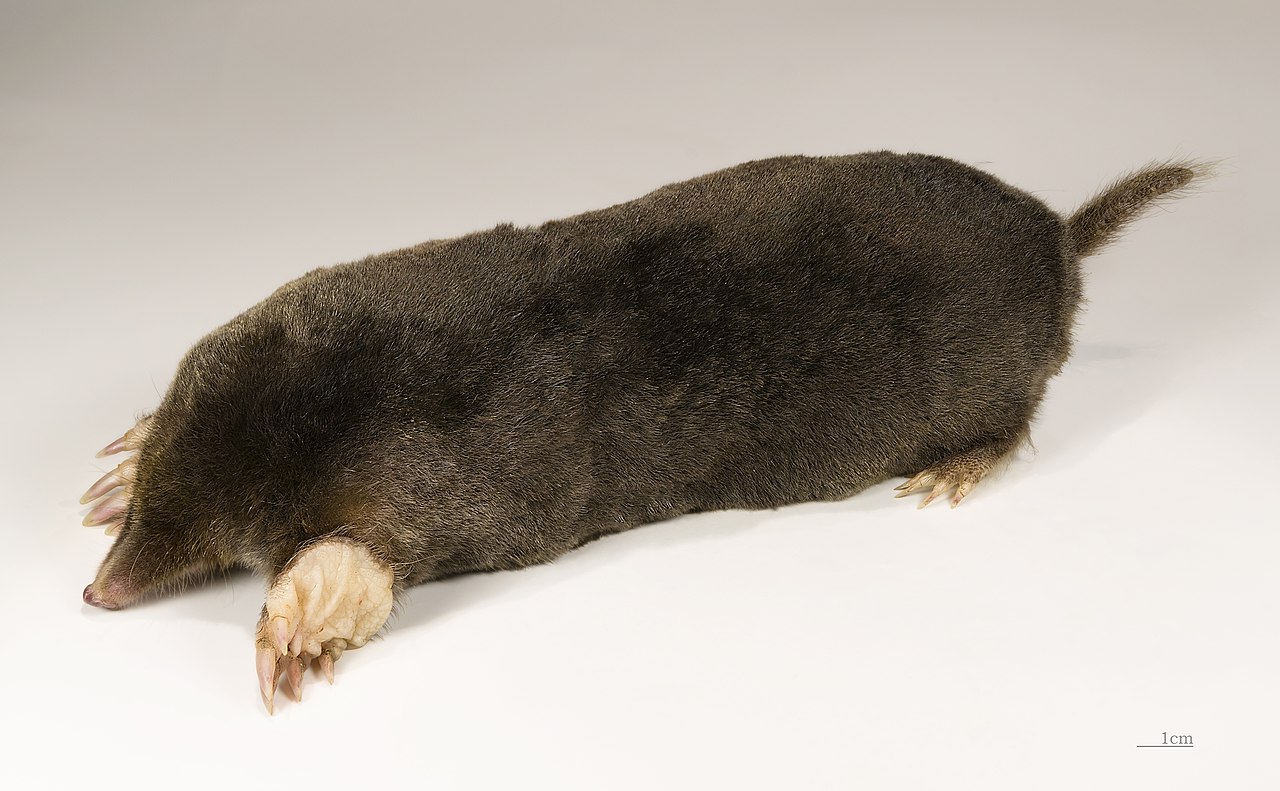
The European mole, known as Talpa europaea, is a small and fascinating mammal! 🐾These creatures are mostly found in Europe and parts of Asia. They have a cylindrical body and tiny eyes because they live underground, where it's dark. Moles are well-adapted for digging, with strong front legs and large claws. They spend most of their lives tunneling through soil, searching for food. Moles can be a bit shy, but they play an important role in the ecosystem by aerating the soil. They are truly amazing animals that help keep nature healthy! 🌱
Explore with ChatDinoKey Points
Did you know that moles can dig at speeds of up to 1 meter (3 feet) per minute?
The conservation status of Talpa europaea is classified as "Least Concern," which means they are not considered endangered.
Moles have appeared in stories and folklore across Europe!
Despite their underground homes, European moles face several predators, such as owls, foxes, and snakes.
The European mole is a carnivorous creature with a special love for earthworms!
European moles are solitary animals, which means they usually live alone, except during mating season.
The European mole loves to dig!
European moles have a unique appearance!
When it comes to baby moles, they are born blind and hairless!
Photos of Talpa Europaea

Preserved skull (1964)

Skull of a European mole
Talpa Europaea — photo 3

Talpa Europaea — photo 4

Talpa Europaea — photo 5

Talpa Europaea — photo 6
⚡ Fun Facts
Did you know that moles can dig at speeds of up to 1 meter (3 feet) per minute? ⚡Watching them burrow is incredible! European moles also have special adaptations in their teeth—they even have teeth behind their lips, allowing them to eat while digging! 🦷Moles have been found to have a unique way of communicating through squeaks and gestures. Lastly, they can detect vibrations in the ground, giving them a clue about nearby predators or potential food. Moles are little powerhouses that keep our ecosystems healthy and balanced! 🌿
Go deeper🌍 Conservation Status
The conservation status of Talpa europaea is classified as "Least Concern," which means they are not considered endangered. 🌍However, this doesn’t mean we shouldn’t care about them! People can help by preserving their habitats, such as gardens and fields, and not using harmful pesticides. Remember, moles are vital for the ecosystem, as they promote healthy soil. Local wildlife organizations often work to raise awareness about protecting these amazing creatures. By respecting nature, we can ensure that European moles continue to thrive! 🌱
Go deeper🐾 Cultural Significance
Moles have appeared in stories and folklore across Europe! 🐾In the UK, moles are often depicted as charming characters in books like "The Wind in the Willows." They are symbols of hard work and resourcefulness. In some cultures, moles are associated with the earth and its mysteries because of their underground lifestyle. In addition to their presence in stories, moles play an essential role in agriculture by aerating soil, which helps plants grow. Their importance in both culture and nature shows how wonderful and interconnected our world is! 📚
Go deeper🦉 Predators And Threats
Despite their underground homes, European moles face several predators, such as owls, foxes, and snakes. 🦉These creatures can easily catch a mole when it surfaces or during its digging activities. Besides wildlife, human activities also threaten moles. The use of pesticides can reduce their main food sources, like earthworms, and habitat destruction can drive them away. Moles are classified as “Least Concern,” but it’s essential to protect their homes so they can continue to thrive in nature. 🛡️
Go deeper🐛 Diet And Feeding Habits
The European mole is a carnivorous creature with a special love for earthworms! 🐛They hunt for other tasty critters like insects and larvae, making them skilled diggers. Moles can eat about 50 to 100 grams of food every day—almost their own body weight! They don’t store food for later; instead, they hunt frequently in their extensive underground tunnels. Moles have a keen sense of smell, helping them locate food while underground. Their diet is essential for soil health, as they help control insect populations and fertilize the ground. 🌱
Go deeper🏡 Behavior And Adaptations
European moles are solitary animals, which means they usually live alone, except during mating season. 🏡They spend most of their time digging and creating intricate tunnel systems that can be up to 3 meters deep! To survive underground, moles have developed powerful forelimbs that allow them to move quickly and efficiently when burrowing. They are also very skilled at keeping dirt out of their tunnels, which is why we often only see molehills on the surface. Their adaptations make them one of the best underground engineers in nature! ⚒️
Go deeper🌍 Habitat And Distribution
The European mole loves to dig! 🌍They typically live in moist, rich soil found in fields, gardens, and woodlands. Moles are spread across Europe, from the United Kingdom to eastern parts like Poland and even some areas in the Middle East. They prefer habitats that provide enough food, which includes earthworms and insects. Moles create long tunnel systems that can stretch for miles! This allows them to move around easily while searching for snacks. They build their homes underground, where they stay safe from predators and harsh weather. 🌧️
Go deeper🐍 Physical Characteristics
European moles have a unique appearance! They usually measure about 10 to 15 centimeters (4 to 6 inches) long and weigh around 70 to 120 grams (2.5 to 4.2 ounces). 🐍Their fur is soft and velvety, usually dark gray or black, which helps them blend into their underground homes. Although they have small eyes, they have an excellent sense of touch using their sensitive whiskers. These adaptations help them navigate through dark tunnels. Moles also have large, spade-shaped front paws that make them expert diggers. With these cool features, they are perfectly designed to live below ground! 🕳️
Go deeper🐾 Reproduction And Life Cycle
When it comes to baby moles, they are born blind and hairless! 🐾The mating season for moles happens in the spring, typically between March and May. After a gestation period of about 4 weeks, a female mole gives birth to a litter of 2 to 7 babies. The little moles grow quickly—by 4 weeks, they start to emerge from the tunnels! 🐾They get weaned at around 5 weeks and venture out on their own after a few months. European moles generally live for about 3 to 5 years in the wild, depending on their environment. 🌼
Go deeper