Swordtail Facts For Kids
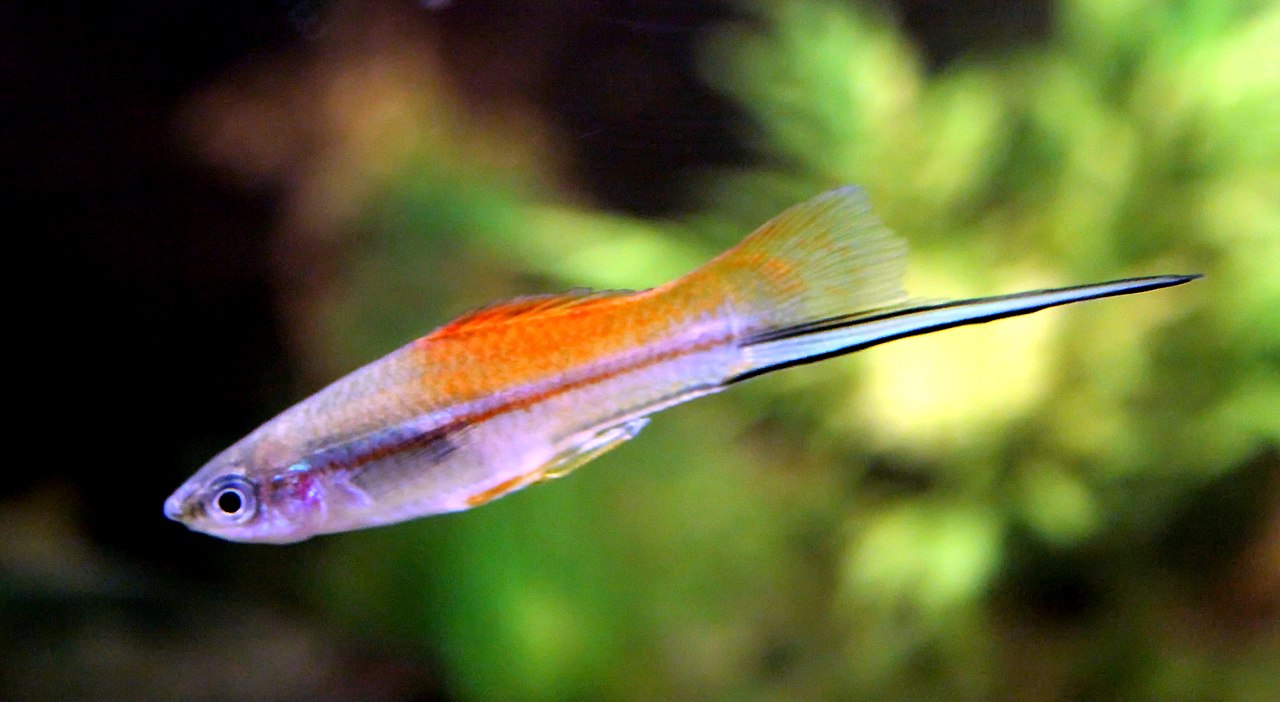
Swordtail fish are colorful freshwater species known for their distinctive tail fin and playful nature, making them a favorite among aquarium enthusiasts.
Select reading age
Swordtail Facts For Kids
Videos & Quizzesincluded
About this topic
Swordtails are colorful freshwater fish that belong to the family Poeciliidae. 🐟They are named for the long, sword-like extension on the tails of males, which can grow up to an inch long! These fish are popular in home aquariums because of their vibrant colors, such as red, green, and black. Originating from Mexico and Central America, swordtails thrive in warm waters. They’re friendly, social creatures that love to swim in groups. Did you know they can live up to 5 years in captivity? With their lively behavior and beautiful appearance, swordtails make a fantastic addition to any fish tank! 🌈
Explore with ChatDinoKey Points
Swordtails are currently not endangered and are classified as Least Concern by the IUCN Red List.
Swordtails are not just beautiful fish; they also have cultural significance in many communities!
There are several types of swordtails!
Swordtails are originally from the warm rivers and lakes of Mexico and Central America, especially around the Rio Grande and the Yucatán Peninsula.
Swordtails are livebearers, which means they give birth to baby fish called fry!
Swordtails are omnivores, meaning they eat both plants and animals.
To keep swordtails happy, you need to provide them with a spacious aquarium, ideally 20 gallons or bigger, with plants and hiding spots.
Swordtails can get sick, just like any other fish.
Photos of Swordtail

The Monterrey platyfish is one of three Xiphophorus species that is restricted to the southern Rio Grande basin and threatened


Males of the Montezuma swordtail have the proportionally longest tail "sword" among the swordtails, but as in all species the females lack it

One of the typical captive forms of the variable platyfish
🌍 Conservation Status
Swordtails are currently not endangered and are classified as Least Concern by the IUCN Red List. 🌍However, their habitats are threatened by pollution and habitat loss. In many areas where swordtails live, development and urbanization can harm their natural homes. While swordtails can be found in aquariums worldwide, it's essential to care for wild populations, too! 🌱Supporting conservation efforts helps maintain their natural environment, allowing future generations to enjoy these gorgeous fish. By raising awareness and protecting their habitats, we can all play a role in conserving swordtails for years to come! 🌟
Go deeper🎉 Cultural Significance
Swordtails are not just beautiful fish; they also have cultural significance in many communities! 🎉In Mexico, where they are native, swordtails symbolize good luck and prosperity. They are often featured in stories and myths, showing how important they are to local cultures. In addition, they are a popular choice for breeding competitions in the aquarium hobby, where enthusiasts showcase their stunning colors and unique patterns. 💙Swordtails also teach us about the importance of caring for aquatic life and ecosystems. By learning about them, we can understand why protecting our oceans and rivers is so vital! 🌊
Go deeper🌊 Species And Varieties
There are several types of swordtails! The most common species is the Xiphophorus helleri. 🌊You can find many different color variations, including the red swordtail, black swordtail, and calico swordtail. Red swordtails have bright red bodies, while black swordtails are mostly dark. Calico swordtails have a mix of colors, resembling a patchwork quilt! 🎨Each variety has its unique patterns, making them fun to watch as they swim around. Some swordtails also have long fins, which further adds to their beauty. With over 40 different varieties, there's a swordtail for everyone's taste! 💖
Go deeper🗺️ Habitat And Distribution
Swordtails are originally from the warm rivers and lakes of Mexico and Central America, especially around the Rio Grande and the Yucatán Peninsula. 🗺️ They enjoy shallow waters rich in vegetation, which provides shelter and breeding grounds. 🌿Swordtails prefer temperatures between 70°F and 82°F (21°C to 28°C), making warm water essential for their survival. In the wild, they often swim in schools, building friendships with other fish. Using plants and rocks for hiding, they feel safe and secure. Swordtails have also been introduced to various regions worldwide, including the United States and Asia, where they are beloved aquarium pets! 🐠
Go deeper🐟 Breeding And Reproduction
Swordtails are livebearers, which means they give birth to baby fish called fry! 🐟✨ A female swordtail can have anywhere from 20 to 100 fries at a time! These tiny fish are born fully formed and look like mini adults. When breeding, it's important to have both males and females in the aquarium. They often chase each other around as part of a playful courtship dance. 💃After mating, females usually hide among plants to give birth, providing a safe place for their newborns. Fry grow quickly, so you might want to separate them to prevent bigger fish from eating them! 🥳
Go deeper🌾 Diet And Feeding Behavior
Swordtails are omnivores, meaning they eat both plants and animals. 🌾🐜 In the wild, they feast on tiny insects, algae, and plant matter. In aquariums, they can be fed flakes, pellets, and frozen or live foods like brine shrimp. 🦐Swordtails are excellent eaters and enjoy a varied diet! To keep them healthy, it's important to feed them small amounts several times a day instead of one big meal. This helps them grow strong and stay colorful! Remember, clean water and regular feedings are keys to happy, healthy swordtails! 🍽️💧
Go deeper🌿 Aquarium Care And Maintenance
To keep swordtails happy, you need to provide them with a spacious aquarium, ideally 20 gallons or bigger, with plants and hiding spots. 🌿A temperature of 75°F to 82°F (24°C to 28°C) is perfect, and you should change 10-15% of the water weekly to keep it clean. Using a filter will help maintain good water quality! It’s also essential to test the water to ensure it’s safe for the fish. Feeding them a balanced diet and observing their behavior will help you know if they're healthy. Finally, always keep an eye out for any signs of stress or sickness! 🧼
Go deeper🦠 Common Diseases And Health Issues
Swordtails can get sick, just like any other fish. Some common diseases include ich, fin rot, and fungus infections. 🦠Ich is a parasitic infection that causes white spots on their bodies. Fin rot, caused by bacteria, makes fins look ragged. To prevent these issues, maintain a clean tank and check the water quality regularly. If you notice your swordtail acting strange or having physical signs of illness, you should separate it from other fish and treat it immediately. 🏥Quick action can save your fish and keep them swimming happily! Always do some research about medicines before using them!
Go deeper