Spectral Bat Facts For Kids
The spectral bat is a large, nocturnal bat species found in Central and South America, known for its pale coloration and unique hunting adaptations.
Select reading age
Spectral Bat Facts For Kids
Videos & Quizzesincluded
About this topic
The spectral bat is a fascinating mammal known for its incredible flying skills! 🦇Found in places like Central and South America, including countries like Mexico, Ecuador, and Colombia, these bats are unique because they are the largest in the family of leaf-nosed bats. They can weigh about 20 grams (0.7 ounces) and have a wingspan of around 40 centimeters (16 inches). Did you know they hunt at night? 🌙This makes them nocturnal creatures, meaning they are most active when the sun goes down!
Explore with ChatDinoKey Points
Did you know?
The spectral bat is considered to be of “Least Concern” according to the IUCN Red List.
In some cultures, bats have been seen as symbols of good luck and protection.
Spectral bats typically give birth to one baby, called a pup, at a time.
Spectral bats love living in tropical and subtropical habitats, such as rainforests 🌳.
Spectral bats have some cool physical features!
These bats are carnivorous, which means they eat meat!
Spectral bats communicate using high-pitched sounds called echolocation.
Photos of Spectral Bat


Spectral Bat — photo 2

Spectral Bat — photo 3

A groove-billed ani, one of the spectral bat's primary food sources

Taxidermied spectral bat "consuming" a mouse
🦟 Fun Facts
Did you know? Spectral bats can eat up to 1,000 insects in a single night! 🦟They are also known to fly really fast, sometimes reaching speeds of 25 miles per hour (40 kilometers per hour). Spectral bats can also hang upside-down when resting or sleeping—this helps them be ready for flight when danger approaches! With their unique traits, spectral bats are definitely one of nature's coolest nighttime flyers! 🌙✨
Go deeper🌎 Conservation Status
The spectral bat is considered to be of “Least Concern” according to the IUCN Red List. 🌎However, they still face threats from habitat loss due to deforestation and human activities. Protecting their habitats ensures that these amazing creatures can continue to thrive. By raising awareness and supporting conservation efforts, we can help keep spectral bats safe for future generations to enjoy!
Go deeper🦇 Cultural Significance
In some cultures, bats have been seen as symbols of good luck and protection. 🦇In ancient Mayan and Aztec civilizations, they were thought to represent fertility and renewal. Since spectral bats are nightly creatures, they also appeared in stories about the moon and stars. Understanding these connections can help us appreciate the role bats play in nature and different cultures around the world!
Go deeper🍼 Reproductive Behavior
Spectral bats typically give birth to one baby, called a pup, at a time. 🍼The moms are very caring and will nurse their pups until they can fly and hunt on their own. Mating usually happens during the warm months, and after a gestation period (the time a baby is inside its mom) of about 3 months, the pup is ready to meet the world! Bats often roost together, creating a community, which helps keep the pups safe.
Go deeper🌳 Habitat And Distribution
Spectral bats love living in tropical and subtropical habitats, such as rainforests 🌳. They can often be found roosting in caves, hollow trees, or sometimes even in buildings! Their range stretches from Mexico all the way down to Argentina. These bats prefer areas that are warm and humid, helping them find food and mates easily. Because they rely on these unique habitats, protecting rainforests is very important for their survival!
Go deeper🦇 Physical Characteristics
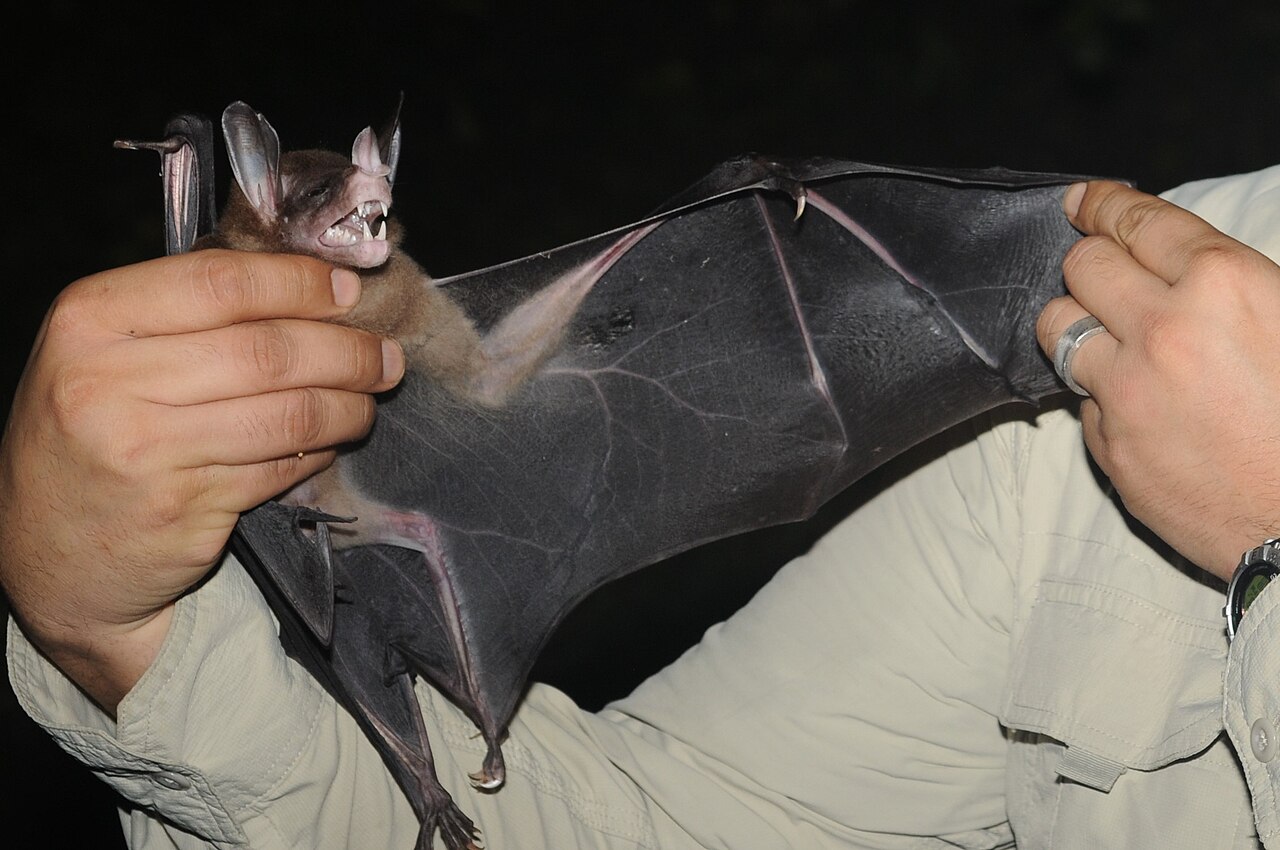
Spectral bats have some cool physical features! 🦇They usually have soft, dark fur that helps them blend into their surroundings. Their faces are shaped like a leaf, which is why they are called leaf-nosed bats. This special nose helps them navigate through the night. With big ears, these bats can hear very well and catch sounds as they fly. Spectral bats can grow up to 15 to 17 centimeters (about 6 to 7 inches) long!
Go deeper🍃 Diet And Feeding Behavior
These bats are carnivorous, which means they eat meat! 🍃They mostly enjoy eating insects like moths, beetles, and other flying bugs. Spectral bats hunt by using their excellent sense of hearing and echolocation—a fancy way of making sounds and listening for echoes—to find their food in the dark. They can also detect very small movements in the air, making them great nighttime hunters!
Go deeper🔊 Communication And Echolocation
Spectral bats communicate using high-pitched sounds called echolocation. 🔊They send out sounds, and when those sounds bounce off objects, they can tell if something is near! This helps them avoid obstacles and find food. They also use body language, like fluttering their wings, to talk to each other. By working together in groups, they can help each other stay safe while flying in the dark!
Go deeper