Speciation is the evolutionary process by which populations evolve to become distinct species, often influenced by genetic changes, geographical barriers, and environmental factors.

Set reading age
View for Kids
Easy to read and understand
View for Students
Clear, detailed explanations
View for Scholars
Deep dives and big ideas
Speciation is the way new species of plants and animals are created over time! 🌍It happens when groups of the same species become different enough that they can no longer breed with each other. This process can take thousands, or even millions, of years! For example, did you know that there are more than 400 species of cichlid fish found in Lake Malawi, Africa? 🐠They all evolved from a common ancestor and adapted to different lifestyles in the lake! Each species plays a special role in its ecosystem.
Adaptive radiation is like a burst of creativity in nature! 🎨💨 It happens when a single ancestor species quickly evolves into many different forms to fill various roles in their environment. A famous example is the Hawaiian honeycreeper birds, which evolved into over 50 different species! 🐦✨ Each one has its unique shape, size, and color, adapting to different foods like nectar or insects! This colorful explosion of life shows just how diverse nature can be! 🌈
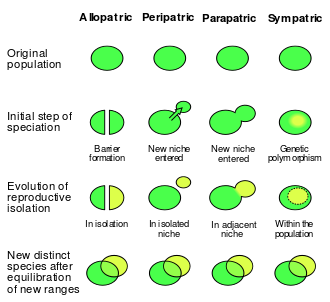
There are three main types of speciation: allopatric, sympatric, and parapatric! 🌍✨ Allopatric speciation happens when a population is separated by something like a mountain or river. 🌊Sympatric speciation happens when species live close together but adapt in different ways. Lastly, parapatric speciation occurs when populations are adjacent but still develop into separate species! All of these types show how life changes and evolves over time! 🌿
Sympatric speciation is when new species form without being separated! 🎊It's like living in the same neighborhood but liking different things! For example, some plants might develop special colors to attract specific insects to pollinate them. 🌼🐝 Over time, these plants become so different that they can't reproduce together anymore, making them new species! An example is the cichlid fish in Africa, which evolve into different species even while living in the same lake!
Allopatric speciation is like when a group of friends gets split into two groups because of a big mountain! 🏔️ Imagine a group of birds flying to different islands. Over time, they change and adapt to their new homes. 🐦💨 If they become so different that they can't breed with each other anymore, they become separate species! A famous example is the Darwin's finches on the Galápagos Islands, where they evolved unique beaks based on their food sources! 🌱
Parapatric speciation is when two groups of a species live next to each other, but they still develop into different species. 🌄For example, imagine two cousin groups of rabbits living on either side of a mountain! One group might adapt to living in the forest while the other lives on the grassy plains. 🌳🦙 Over time, small differences develop between them. If these differences become big enough, they may not be able to reproduce together, forming two new species!
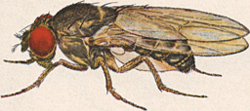
There are many fascinating examples of speciation in nature! 🌍One famous case is the Galápagos finches, which evolved different beak shapes to eat different foods. 🦜Another example is the apple maggot fly, which started eating different fruits and eventually became separate species! 🍏🍎 In addition, the orca whale has different "ecotypes" that are specialized for hunting fish or mammals! 🐋Each of these examples shows how life adapts and evolves to fit into different spaces on our planet! 🌊🌺
Speciation is like a magical recipe! 🪄It happens when a group of living things, called a population, changes over a long time. When these changes are big enough, the population transforms into a completely new species! 🎉Imagine if all the penguins in Antarctica started to develop yellow feathers and different sounds! They might become a new species. This process is nature's way of helping living things adapt to their environment!
Speciation happens through various mechanisms that help living things change over time! 🐝✨ Some of these mechanisms include natural selection, genetic drift, and mutation. Natural selection means that some creatures are better suited to their environment, so they survive and reproduce better! 🌼Genetic drift is like a game of chance, where random changes affect a population. Lastly, mutation introduces new traits, like a bright color or long legs, which can help create new species! 🦋
Natural selection is nature's way of picking the best-suited creatures for their environment! 🌱It means that some creatures have traits that help them survive and reproduce better than others. For instance, a fast rabbit can escape predators better than a slow one! 🐇🚀 Over generations, these helpful traits become more common in the population, while less helpful qualities fade away. This process leads to changes in the species and can even create new species through speciation! 🌿🌟
The fossil record helps scientists see how speciation happens over millions of years! 🦕🪨 Fossils are the remains of ancient creatures that show changes in size, shape, and features of different species. For example, fossil evidence of horses shows how they changed from small, dog-sized animals to the large ones we see today! 🐎✨ Scientists study these fossils to better understand how species evolved and how they adapted to their environments, helping us learn about our planet's history! 🌍🕰️


DIY is a creative community where kids draw, build, explore ideas, and share.
No credit card required