Soy Sauce Facts For Kids
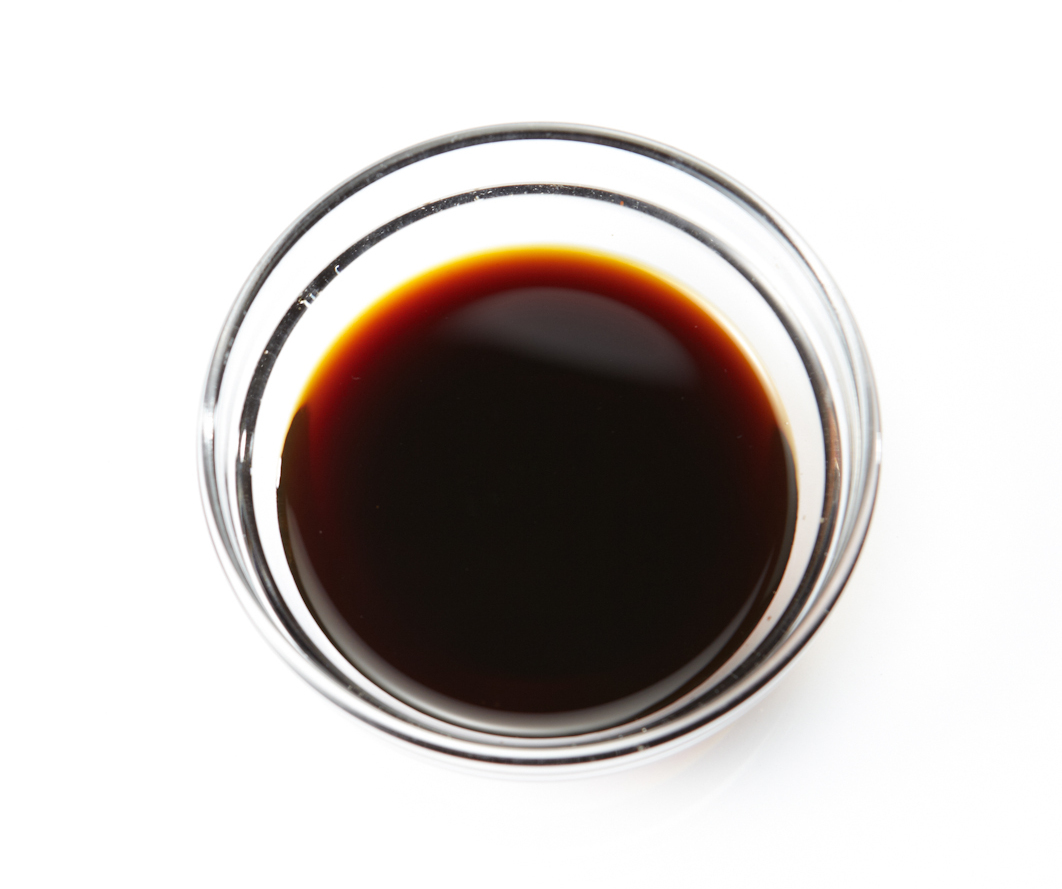
Soy sauce is a liquid condiment of Chinese origin, traditionally made from a fermented paste of soybeans, roasted grain, brine, and molds like Aspergillus oryzae or Aspergillus sojae.
Select reading age
Soy Sauce Facts For Kids
Videos & Quizzesincluded
About this topic
Soy sauce is a super yummy liquid that adds flavor to food! 🌟Originating from China, it’s made from fermented soybeans and grains. It’s salty and savory, making dishes taste extra delicious. People all around the world use soy sauce in their cooking. Did you know that there are over 1,000 types of soy sauce? 😮Some are light, while others are dark, and they can be used in dipping sauces, marinades, and stir-fries. Soy sauce even has a long history of over 2,500 years! How amazing is that? 🍜Let’s dive deeper into the world of soy sauce!
Explore with ChatDinoKey Points
There are many types of soy sauce, and each one has a unique taste!
The story of soy sauce began in ancient China around 2,500 years ago!
If you’re looking for something different from soy sauce, there are tasty alternatives!
Storing soy sauce is easy-peasy!
Soy sauce is like a magic ingredient in many meals!
Soy sauce has traveled far and wide, making its mark on global cuisine!
Soy sauce is more than just a tasty condiment; it carries deep cultural meaning!
Making soy sauce is like a special cooking adventure!
Soy sauce does have some nutrition to offer!
Caring for the planet is important, even with soy sauce!
Photos of Soy Sauce

Shoyu ramen, flavored with soy sauce

Soy sauce is made from soybeans.

Soy and wheat with Aspergillus sojae cultures to brew soy sauce

A bottle of soy sauce manufactured by Lee Kum Kee

A bottle of commercially made light soy sauce

Toyomansi, a typical Filipino dipping sauce composed of soy sauce and calamansi spiced with siling labuyo

Left, ABC brand Kecap manis sweet Indonesian soy sauce is nearly as thick as molasses; right, Kecap asin

Japanese supermarket soy sauce corner

Traditional Korean soy sauce
🌈 Types Of Soy Sauce
There are many types of soy sauce, and each one has a unique taste! 🌈The main types are light, dark, and thick soy sauces. Light soy sauce is salty and used for dipping or cooking. 🥡Dark soy sauce is sweeter, thicker, and perfect for adding rich colors to dishes. Then, there's thick soy sauce, which is often used in Asian desserts! 🍰Other varieties include low-sodium soy sauce for a healthier option and flavored soy sauces, like garlic or mushroom. Each type brings different flavors to meals, allowing cooks to get creative in their kitchens! 🍲
Go deeper🏯 History Of Soy Sauce
The story of soy sauce began in ancient China around 2,500 years ago! 🏯People first created it by fermenting soybeans and grains to make a tasty condiment. It then spread to nearby countries like Japan, Korea, and Vietnam, becoming a big part of their foods too. In Japan, they developed their own version called “shoyu.” 🍱 Over many years, different regions made unique styles, and soon, soy sauce was enjoyed globally! By the 17th century, soy sauce had made its way to Europe. Today, countless recipes include this flavor-packed sauce, showing how much people love it! ❤️
Go deeper🌱 Soy Sauce Alternatives
If you’re looking for something different from soy sauce, there are tasty alternatives! 🌱One popular option is tamari, which is similar but gluten-free. 🥳Then there's coconut aminos, made from coconut sap, a sweeter option without the soy! Some people use Worcestershire sauce, which has a tangy flavor but isn’t quite the same. 🥫You can also make your own soy sauce substitute at home using vegetable broth, vinegar, and spices! With these options, everyone can enjoy a delicious flavor in their meals, just like soy sauce! 🍽️
Go deeper🥢 Storage And Shelf Life
Storing soy sauce is easy-peasy! 🥢If you keep it in a cool, dark place, it can last for a long time, often up to two to three years! 🌞Once you open the bottle, you can store it in the refrigerator to keep its flavor fresh. When kept in the fridge, it can last even longer! Just remember to check for any unusual smells or colors before using it. If you see any changes, it's best to toss it out. With proper storage, your soy sauce can keep adding tasty flavor to your meals for a long time! 🍜
Go deeper✨ Culinary Uses Of Soy Sauce
Soy sauce is like a magic ingredient in many meals! ✨It’s often used in stir-fried dishes, noodle soups, and sushi. 🍣You can dip dumplings or spring rolls in it for an extra tasty treat! People also marinate meats and vegetables in soy sauce to make them more flavorful before grilling. 🍗It can even be drizzled on popcorn for a savory twist! Yum! Home cooks love to experiment with soy sauce, mixing it with honey or ginger to create unique sauces. 🎉With so many ways to use it, soy sauce makes meals super fun and delicious!
Go deeper🌎 Soy Sauce In Global Cuisine
Soy sauce has traveled far and wide, making its mark on global cuisine! 🌎In Japan, it’s an essential ingredient in sushi and sashimi. 🍣In Korea, they have a spicy version called “Ganjang,” often used in Kimchi. 🌶️ In America and Europe, people love using soy sauce in stir-fries, dressings, and marinades! It’s also used in some snacks, like potato chips! 🍟Many chefs around the world experiment with soy sauce, creating unique flavors in their dishes. It's fascinating to see how a simple condiment can bring together a blend of flavors from different cultures! 🎉
Go deeper🌍 Cultural Significance Of Soy Sauce
Soy sauce is more than just a tasty condiment; it carries deep cultural meaning! 🌍In Asian countries, it’s considered a staple in the kitchen and often used during family meals. It symbolizes harmony, as families gather around the table to share delicious food together. 🍽️ Did you know that in Japanese culture, soy sauce is often paired with sushi, and it’s essential to learn how to use it properly? In China, it represents the unity of flavors in their cooking! 🌶️ Around the world, people respect soy sauce as a vital part of their culinary traditions, making it truly special! ❤️
Go deeper🧑🍳 Ingredients And Production Process
Making soy sauce is like a special cooking adventure! 🧑🍳 Here are the main ingredients: soybeans, roasted grains (like wheat), salt, water, and special molds called Aspergillus. First, the soybeans are cooked and mixed with the roasted grains. 🥣Then, the mixture is sprinkled with the mold to start fermentation, where helpful bacteria and enzymes work magic over months. 🌱After fermenting, saltwater (brine) is added, and this can continue for up to two years in some cases! Finally, the liquid is filtered, pasteurized, and bottled. It gets its dark color and salty taste from all this hard work! 🎉
Go deeper🌟 Nutritional Content And Health Benefits
Soy sauce does have some nutrition to offer! 🌟It’s low in calories and contains protein, which helps build strong muscles. 💪However, soy sauce is also high in sodium (salt), so it’s essential to use it wisely. Too much salt isn't healthy. 🌊Some brands offer low-sodium options, which are a better choice for families wanting a healthier diet. Plus, soy sauce contains antioxidants that can help protect your body from harmful substances. 🌿It’s always important to enjoy soy sauce in moderation as part of a balanced diet filled with fruits, veggies, and whole grains!
Go deeper🌍 Sustainability And Environmental Impact
Caring for the planet is important, even with soy sauce! 🌍The production of soy sauce requires soybeans and grains, which can sometimes lead to deforestation and environmental concerns. 🌾Some companies are working hard to create sustainable farming practices, which means they grow ingredients without harming nature. Farmers are learning to use less water and avoid harmful chemicals. 🌱By choosing brands that care about sustainability, you support a healthier planet. Plus, you get to enjoy the delicious taste of soy sauce while helping the environment along the way! Let’s all make choices that help our Earth! 🌎💚
Go deeper