Snowy Plover Facts For Kids
The snowy plover is a small, pale shorebird found along coastal areas, known for its discreet nesting habits and vulnerability to habitat loss.
Select reading age
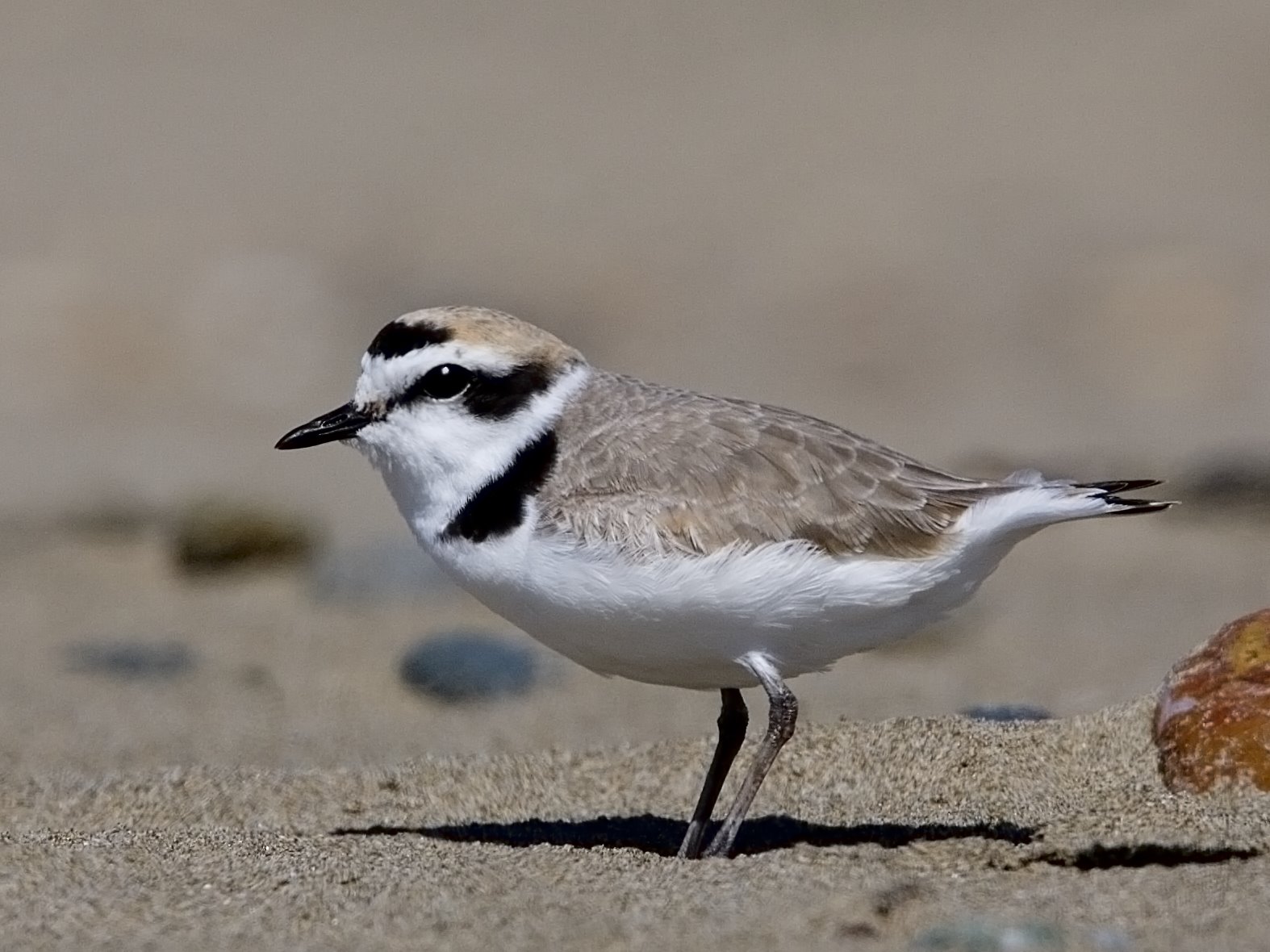
Snowy Plover Facts For Kids
Videos & Quizzesincluded
About this topic
The snowy plover is a small, cute bird that loves to live near beaches and sandy shores! 🏖️ It is known for its pale color that helps it blend in with the sandy environment. Snowy plovers are about 6-7 inches long, which is about the size of a soda can! They are found in North America along the Gulf of Mexico, from Texas to Florida, and in California as well. These birds are very special because they are good at running fast to avoid predators, and their tiny eggs are often laid right on the ground! 🐦
Explore with ChatDinoKey Points
Did you know that snowy plovers can run super fast?
Snowy plovers are classified as a "threatened" species.
Snowy plovers are very active and social birds!
Snowy plovers face many challenges.
Snowy plovers are insect eaters, which means they love munching on tiny bugs!
Snowy plovers make their homes in sandy coastal areas, especially along beaches, dunes, and salt flats.
Snowy plovers have a small, round body and short legs.
When it’s time to have babies, snowy plovers attract mates with cute dances and calls.
Photos of Snowy Plover

The subspecies A. n. occidentalis, walking between bivalve shells on a beach near Ica, Peru

Snowy plover in non-breeding plumage near Cayucos, California

Snowy Plover — photo 3

Snowy plovers in their habitat on Bolivar Peninsula, Texas

Snowy plover catching a worm

Roosting snowy plovers at Moss Landing State Beach, California

Nest scrape with three eggs

Adult with two chicks

Snowy plover standing over half of an empty egg
🏃♀️ Interesting Facts
Did you know that snowy plovers can run super fast? 🏃♀️ They can reach speeds of up to 15 miles per hour while running on the sand! Also, these cute birds can live for about 3 to 5 years in the wild. When they nest, snowy plover parents share all their duties equally, helping care for the baby birds together. They are not only adorable but also talented little runners! Keep an eye out for these lovely birds next time you visit the beach! 🌊
Go deeper⚠️ Conservation Status
Snowy plovers are classified as a "threatened" species. ⚠️ This means they need our help! Organizations and wildlife groups are working hard to protect snowy plovers and their habitats. Efforts include creating safe nesting areas and educating people about the importance of keeping beaches clean and quiet. You can help by respecting nature and not disturbing their eggs or nests if you see them at the beach!
Go deeper🌞 Behavior And Lifestyle
Snowy plovers are very active and social birds! 🌞They often run around on the sandy beaches, scurrying to find food and avoiding predators like seagulls or cats. They don't build traditional nests like other birds; instead, they create little scrapes in the sand to lay their eggs. When they feel threatened, snowy plovers have a smart trick: they will pretend to have a broken wing to distract predators away from their nests and chicks! This clever behavior helps keep their little ones safe!
Go deeper🌍 Threats And Challenges
Snowy plovers face many challenges. 🌍Some threats include habitat loss from people building houses or roads near beaches. They are also in danger from predators like raccoons and cats that might eat their eggs or chicks. Human activities, like beach sports or driving vehicles on the sand, can disturb snowy plovers and frighten them away from their homes. Protecting them will require everyone to be responsible when visiting coastal areas!
Go deeper🐜 Diet And Feeding Habits
Snowy plovers are insect eaters, which means they love munching on tiny bugs! 🐜Their favorite foods include worms, tiny crabs, and little flies that they find hidden in the sand. The snowy plover hunts mostly at the water's edge where they can find their food easily. They use their keen eyesight to spot a meal and then run quickly to snatch it up! They are not picky eaters and will enjoy whatever special treats they find on the shore!
Go deeper🌊 Habitat And Distribution
Snowy plovers make their homes in sandy coastal areas, especially along beaches, dunes, and salt flats. 🌊They can be found from the east to the west coast of the United States. In particular, places like the Gulf Coast and the beaches of California are popular spots! They like to nest in places where they can find soft sand and enjoy sunshine. Did you know snowy plovers have also been spotted on islands like Hawaii? They move around in warmer areas to stay comfy and safe!
Go deeper🕊️ Physical Characteristics
Snowy plovers have a small, round body and short legs. They have a light-colored, fluffy plumage that is mostly white with some brown spots. Their wings are short and help them fly quickly away from danger. 🕊️ They have a small, pointed beak that helps them pick up tiny food pieces. Snowy plovers also have a black patch around their eyes, giving them a unique look! Their size and colors keep them hidden from predators, making them very hard to spot on the beach! 😉
Go deeper🎶 Reproduction And Nesting
When it’s time to have babies, snowy plovers attract mates with cute dances and calls. 🎶They typically nest in the spring months, laying about 3 to 4 eggs. The eggs are small and brownish, helping them blend into the sand. After about 25 days, the eggs hatch, and the tiny chicks learn to walk almost immediately! 🐥The parents are very protective and watch over the tiny ones, guiding them to food and making sure they stay safe. Once the chicks can fly well, they are ready to explore the beach on their own!
Go deeper