Shikoku Facts For Kids
Shikoku is the smallest of Japan's four main islands, known for its beautiful nature, rich culture, and the 88 Temple Pilgrimage.
Select reading age
Shikoku Facts For Kids
Videos & Quizzesincluded
About this topic
Shikoku is Japan's smallest main island, covering about 18,800 square kilometers! 🌏This beautiful island is known for its stunning nature and cultural treasures. Shikoku is surrounded by the Pacific Ocean, making it a great place for fishing and enjoying the beach! 🐟The island is divided into four prefectures: Ehime, Kagawa, Kochi, and Tokushima. Each prefecture has its own special sights, food, and festivals. Shikoku is famous for the 88 Temple Pilgrimage, where people travel to visit 88 Buddhist temples. With its mixture of nature, history, and culture, Shikoku is a wonderful place to explore! 🌸
Explore with ChatDinoKey Points
Shikoku is home to many interesting plants and animals!
Shikoku is famous for its delicious food!
Shikoku has a rich history that dates back thousands of years!
Shikoku's economy is diverse, meaning that it consists of many different industries!
Shikoku hosts many exciting festivals that everyone enjoys!
Shikoku is rich in culture, with unique traditions and festivals!
Shikoku is home to many beautiful landscapes!
There are so many amazing places to visit in Shikoku!
Getting around Shikoku is easy and fun!
Photos of Shikoku

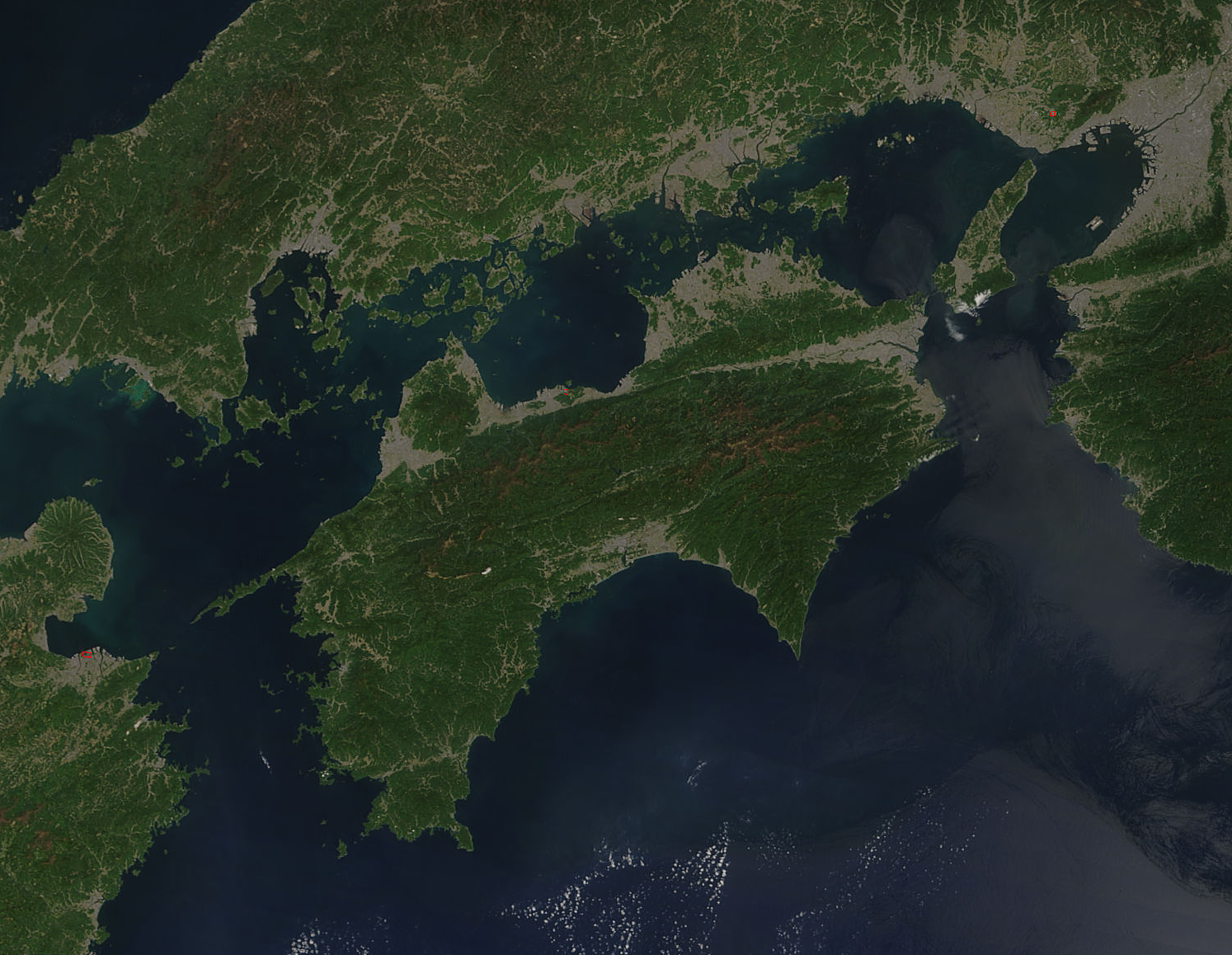
Chūgoku region and Shikoku seen from the International Space Station

Geofeatures map of Shikoku


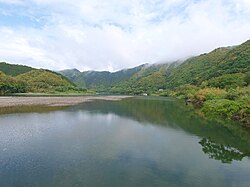
Shikoku — photo 4

The Range of the Seto Inland Sea by the Territorial Sea Law (領海及び接続水域に関する法律) is 19,700 km2 (solid lines). Reference: Seto_Inland_Sea01.png . The Range of the Seto Inland Sea according to the Setouchi Law and the Setouchi Law Enforcement Order is 21,827 km2 (solid lines and dashed lines). Reference: Seto_Inland_Sea02.png.


View of Takamatsu, Kagawa , Japan from tower just before sunset

🌺 Flora And Fauna
Shikoku is home to many interesting plants and animals! 🌺The island's forests have beautiful cherry blossoms in spring, and some areas are known for their unique flora, like the wild Japanese camellia. 🌷You can also find the endangered Shikoku wild boar and the lovely Japanese macaque monkeys! 🐒Many birds, like the Japanese white-eye, make Shikoku their home as well. The coastal waters are home to various fish, including flatfish and sweetfish! 🎣Nature lovers can explore Shikoku's natural parks, like the Setonaikai National Park, which offers lovely scenery and wildlife to discover! 🌳
Go deeper🍽️ Cuisine Of Shikoku
Shikoku is famous for its delicious food! 🍽️ One of its most popular dishes is Sanuki udon, thick and chewy noodles served hot or cold! 🍜You can enjoy this tasty dish with dipping sauces or soup. Another local favorite is katsu curry, which is rice topped with breaded pork cutlet and curry sauce! 🍛Seafood is also a big part of Shikoku's cuisine thanks to the surrounding ocean, including fresh fish and sweet shrimp! 🦐Don’t forget to try local citrus fruits, like sudachi and yuzu, which add fantastic flavors to dishes! Shikoku's food is sure to make your taste buds dance! 😋
Go deeper📜 History Of Shikoku
Shikoku has a rich history that dates back thousands of years! 📜The first people settled here during the Jomon period, around 14,000 years ago. Over time, Shikoku became important for trade and agriculture. In the 7th century, powerful clans fought for control of the island, leading to many battles! ⚔️ During the Edo period (1603-1868), Shikoku was known for its silk production. Today, many tourists still visit Shikoku to see its historical sites, like the 88 Temples that form a famous pilgrimage route established by the monk Kukai in the 9th century. 🕊️
Go deeper💼 Economy And Industry
Shikoku's economy is diverse, meaning that it consists of many different industries! 💼Agriculture plays a big part, especially due to the island's fertile lands. Shikoku is famous for its oranges, mandarin fruits, and udon noodles! 🍊🍜 Fishing is also important, with many seafood dishes making their way to restaurants across Japan. Additionally, tourism is a great part of Shikoku's economy, as visitors come to enjoy its natural beauty and temples. 🛤️ The island is slowly growing in technology and manufacturing sectors too, like producing motorcycles and other transportation equipment! 🚴♂️
Go deeper🎊 Festivals And Events
Shikoku hosts many exciting festivals that everyone enjoys! 🎊One of the most famous is the Awa Odori dance festival, held in Tokushima every August. People dress in colorful yukatas and dance in the streets to traditional music! 💃Another popular event is the Sanuki Udon Festival in Kagawa, where visitors can taste yummy udon noodles and learn how to make them! 🍜There are also seasonal festivals, like celebrating cherry blossoms in spring and fireworks during summer! 🎆These events let locals and visitors come together to celebrate Shikoku’s rich culture and traditions! 🎉
Go deeper🎎 Cultural Significance
Shikoku is rich in culture, with unique traditions and festivals! 🎎The island is famous for the Shikoku Pilgrimage, where people visit 88 temples dedicated to the Buddhist monk Kukai, also known as Kobo Daishi. This pilgrimage is not only a spiritual journey, but also a chance to see beautiful landscapes and meet other pilgrims! 🌿Shikoku is also known for traditional arts, like pottery and textiles. The local people celebrate many festivals, including the Awa Odori dance festival, where everyone dances together in colorful costumes. 🌼This lively culture makes Shikoku a special place in Japan!
Go deeper🏞️ Geography And Landscape
Shikoku is home to many beautiful landscapes! 🏞️ The island has mountains, forests, rivers, and even some lovely beaches. The highest mountain on Shikoku is Mount Ishizuchi, which stands 1,982 meters tall! ⛰️ You can find rolling hills, especially in places like Kagawa and Kochi. The island also has many rivers, like the Yoshino River, which is famous for its white-water rafting! 🌊Shikoku has a mild climate, meaning the weather is usually pleasant with warm summers and cool winters, making it perfect for outdoor adventures! 🌈
Go deeper🏖️ Tourism And Attractions
There are so many amazing places to visit in Shikoku! 🏖️ One popular attraction is the 88 Temple Pilgrimage, where people walk or cycle to visit all the temples. The beautiful Ritsurin Garden in Takamatsu is known for its stunning landscape, and it features lovely ponds and trees! 🌳You can also visit the Naruko Waterfall, one of Japan's tallest, or the Kotohira Shrine, where people climb over 1,000 steps for amazing views! 🙌Shikoku's beautiful beaches, like the ones in Kochi, are perfect for swimming and sunbathing too! 🏄♂️
Go deeper🚄 Transportation And Infrastructure
Getting around Shikoku is easy and fun! 🚄The island has many ways to travel, including trains, buses, and ferries. The Shikoku Shinkansen (bullet train) connects travelers to the main island quickly! 🚆You can also take local trains that pass through beautiful countryside views. People use buses to explore areas that trains don’t reach. 🚍Ferries connect Shikoku to nearby islands and the main land, making it super convenient for travelers! Plus, many people enjoy cycling and walking along the scenic paths, especially those on the Shikoku Pilgrimage! 🚴
Go deeper