Setaria Italica Facts For Kids
Setaria italica, or foxtail millet, is an ancient annual grass cultivated for food and animal feed, known for its resilience, nutritional value, and cultural significance.
Select reading age
Setaria Italica Facts For Kids
Videos & Quizzesincluded
About this topic
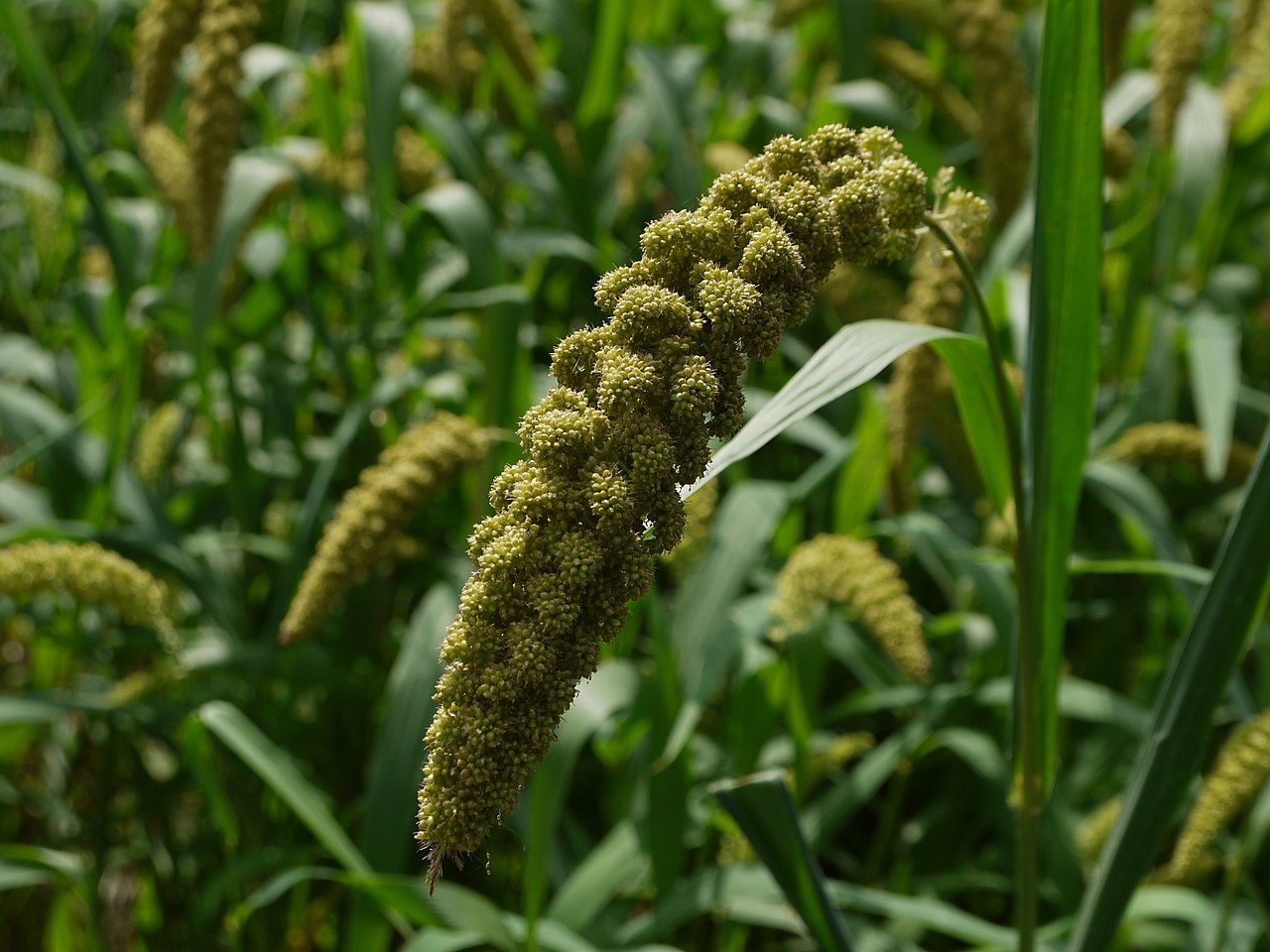
Setaria italica, or Foxtail millet, is a special type of grass 🌾 that is grown all over the world for food! This plant is very important because it helps people, especially in places like Asia and Africa, have enough to eat. Foxtail millet has been cultivated for thousands of years, making it one of the oldest crops known to humans! It grows tall, reaching heights of about 1-2 meters (3-6 feet), and produces cute, fluffy seed heads that look like little fox tails. These seeds are nutritious and can be turned into delicious dishes like porridge and bread! 🍚
Explore with ChatDinoKey Points
Foxtail millet seeds are super healthy!
Like all plants, Foxtail millet can face challenges from pests and diseases.
Foxtail millet is a tall and slender grass.
To grow Foxtail millet, farmers need to prepare the soil by plowing and making sure it is free from weeds.
In many cultures, Foxtail millet is more than just food; it holds cultural importance too!
Foxtail millet plays a big role in helping the environment!
Foxtail millet is super versatile!
Foxtail millet can be found in many countries around the world!
Foxtail millet belongs to the Poaceae family, which is the family of grasses 🌱.
Photos of Setaria Italica

Foxtail millet (Setaria italica) seeds, India.
Setaria Italica — photo 2

Setaria Italica — photo 3
Setaria Italica — photo 4

Setaria Italica — photo 5

Japanese botanical drawing of Panicum italicum. From the Seikei Zusetsu (1804, volume19).
🌈 Nutritional Value
Foxtail millet seeds are super healthy! They pack a punch of nutrition and contain many vitamins and minerals. 🌈For every 100 grams of Foxtail millet, you'll find around 11 grams of protein, which is great for building strong muscles! 💪It also has about 73 grams of carbohydrates, providing energy to keep us active! This grass is rich in fiber, helping our tummy stay happy, and contains important minerals like iron and magnesium. So eating Foxtail millet can help us stay strong and healthy! 🌟
Go deeper🐛 Pests And Diseases
Like all plants, Foxtail millet can face challenges from pests and diseases. Some common pests that like to munch on it include armyworms and aphids 🐛. These little critters can harm the plants and affect the harvest. Farmers often look out for these pests and may use natural methods to control them, such as introducing helpful insects that eat pests! 🐞Diseases like downy mildew can also affect Foxtail millet. To keep the plants healthy, it’s important for farmers to practice good crop management and rotate their crops! 🚜
Go deeper✨ Physical Description
Foxtail millet is a tall and slender grass. It can grow from 1 to 2 meters high with narrow leaves that can grow up to 30 cm long. The most exciting part is its flowering part called the inflorescence, which is a spike covered in fluffy, golden seeds! ✨These seeds are usually small, about 2-3 mm in diameter, and can be various colors, like yellow, brown, or green. Foxtail millet enjoys warm weather and can survive in dry places. Its tough and resilient nature makes it a great plant for many farmers! 👩🌾
Go deeper🌱 Cultivation Practices
To grow Foxtail millet, farmers need to prepare the soil by plowing and making sure it is free from weeds. They usually plant the seeds in rows, with about 15-20 cm between each seed. 🌱After planting, it’s important to keep the soil moist, but not too wet! Farmers often use rainwater ⛅ or irrigation systems to help. When the plants are about 45-60 days old, they start to flower and produce seeds. Harvesting happens when the seed heads turn golden, and farmers usually cut them by hand or with machines! 🚜
Go deeper🎉 Cultural Significance
In many cultures, Foxtail millet is more than just food; it holds cultural importance too! 🎉In India, for example, people celebrate special festivals by preparing traditional dishes made from Foxtail millet, like sweet treats and savory snacks. In various African communities, this grass is a vital part of recipes and celebrations! 🌍Additionally, its history dates back thousands of years, meaning it is rooted in various cultures. Foxtail millet brings families together, as people learn to prepare and enjoy it together! 🍽️
Go deeper🌍 Ecological Importance
Foxtail millet plays a big role in helping the environment! 🌍Its roots help to bind the soil together, which prevents erosion, meaning it stops soil from washing away during heavy rains. This grass also requires less water than many other crops, making it a great choice for areas with low rainfall. 🌧️ Foxtail millet can be grown alongside other plants, promoting biodiversity, which is super important for healthy ecosystems. Plus, it provides food for various birds and insects, making it a great friend to nature! 🐦
Go deeper🍲 Uses Of Setaria Italica
Foxtail millet is super versatile! People around the world use its seeds to make many delicious foods. 🍲In Asia, it's often cooked like rice or used to make flatbreads. In Africa, it's common to find it in porridge or even beer! Foxtail millet seeds are not just food for humans; they are also used to feed animals and birds. 🦜Additionally, the plant is sometimes used to create natural fertilizers, making it helpful in farming. This shows how useful Foxtail millet is in our everyday lives!
Go deeper🌍 Habitat And Distribution
Foxtail millet can be found in many countries around the world! 🌍It grows best in tropical and subtropical regions. You’ll find this grass thriving in countries like China, India, and Nigeria, where it’s a staple food. Interestingly, Foxtail millet can be grown in various types of soils, but it prefers sandy or loamy soils. Farmers usually plant it in the summer, as it needs plenty of sunlight to grow. This special grass loves warm temperatures between 20 to 30°C (68 to 86°F), making it perfect for hot climates! ☀️
Go deeper🌱 Taxonomy And Classification
Foxtail millet belongs to the Poaceae family, which is the family of grasses 🌱. This grass has different varieties, and scientists classify it with the scientific name Setaria italica. The genus name "Setaria" comes from the Latin word for bristle, which describes the plant's seed heads. Over time, Foxtail millet has gained many nicknames in different countries, such as "Kangni" in India and "Aki" in Nigeria. Isn’t it cool that one single plant has so many names? 🌍
Go deeper