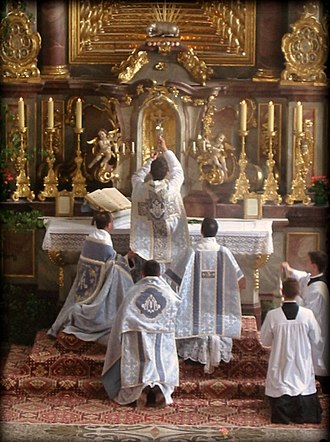
The Second Vatican Council was a significant gathering of the Catholic Church aimed at modernizing the Church and improving its relationship with the world, held from 1962 to 1965.

Set reading age
View for Kids
Easy to read and understand
View for Students
Clear, detailed explanations
View for Scholars
Deep dives and big ideas
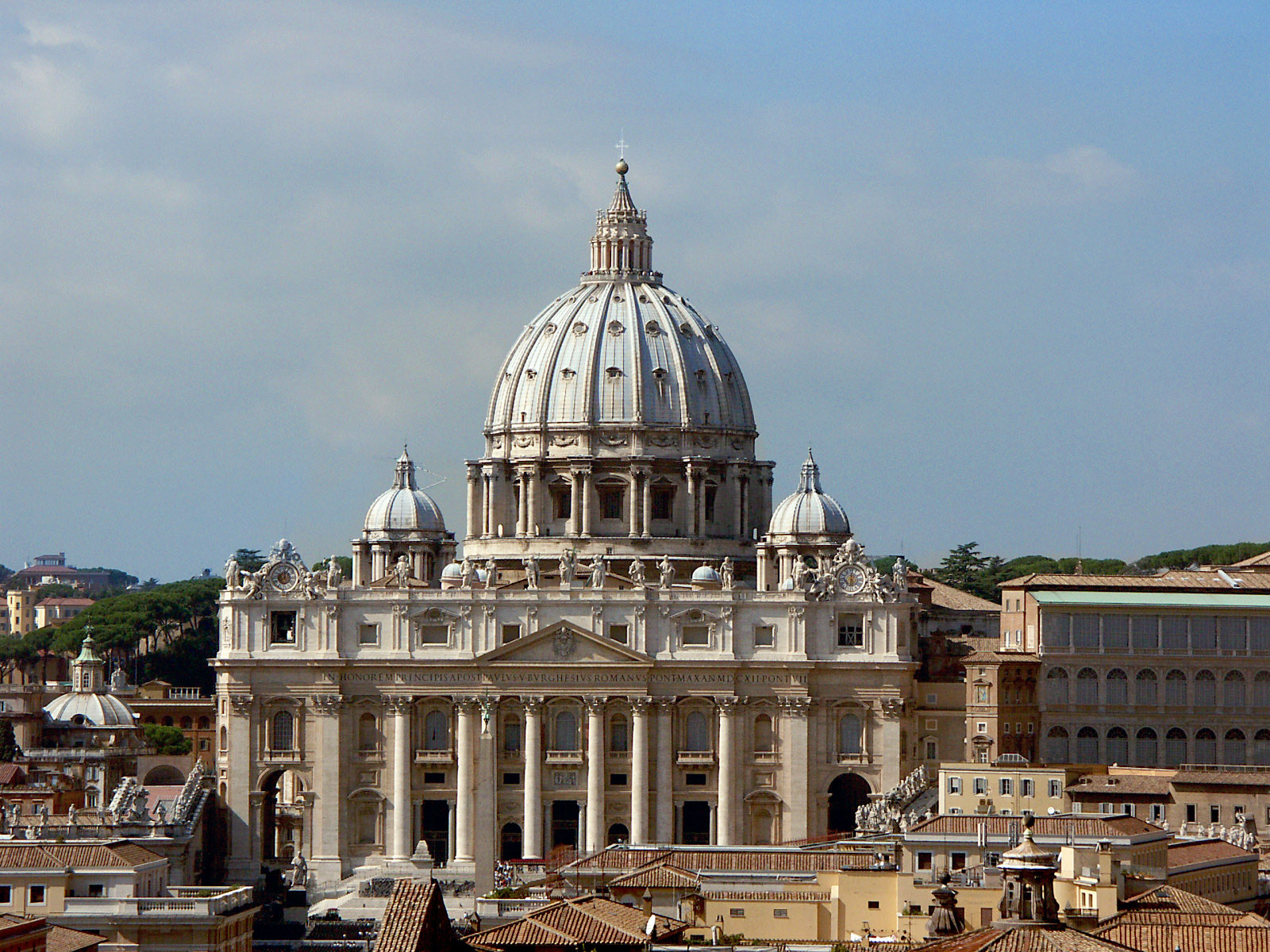
The Second Vatican Council, or Vatican II, took place from 1962 to 1965. It was a big meeting for the Catholic Church, held in Vatican City, which is in Italy 🇮🇹. Many bishops from around the world gathered to talk about important changes in how the Church should function. The goal was to help the Church grow and connect better with everyone. Vatican II was special because it was the first council to be broadcast on TV 📺, allowing people to see and learn about the discussions. This council aimed to make the Church more welcoming and open to modern life!
Before Vatican II, the Catholic Church had not held a council since 1870! The world was changing quickly. Many people were questioning traditions. The Church wanted to update its teachings to meet the needs of modern society 📅. The Pope at that time, Pope John XXIII, wanted to gather bishops to discuss these changes. With the rise of technology and social movements, the Church needed to find new ways to share its message 🕊️. This was a time of growth and excitement in the world, and Vatican II aimed to reflect those changes in its teachings!
Vatican II made big changes in how Mass is celebrated. Before the council, Mass was mostly in Latin, which many people didn’t understand 🙅♂️. The council encouraged using local languages so that everyone could participate and know what was happening during the service. More music, gestures, and community involvement were emphasized, making Mass feel more welcoming and enjoyable for everyone. The council also allowed for different styles of worship to express faith creatively 🎶. These reforms helped people feel closer to God and encouraged active participation in their faith journeys!
Vatican II promoted better relationships with other religious groups. The Church encouraged respect and dialogue with different faiths, like Judaism and Islam 🤝. This was important because it aimed to foster understanding and collaboration instead of conflict. The Church wanted to build bridges and find common ground, allowing people of different beliefs to work together for peace 🕊️. The document "Nostra Aetate" specifically highlights the Church’s new view of other religions, leading to a more inclusive approach and showing the importance of love and connection among all people!
Pope John XXIII was the main leader of Vatican II. He opened the council and wanted to make the Church friendlier and more involved in the world 👑. After his passing, Pope Paul VI continued the council and helped finish the important discussions. Many bishops attended, including Archbishop of Chicago Joseph Bernardin and Cardinal Leo Suenens of Belgium. These leaders brought their love for the Church and a desire to see it flourish while connecting with people everywhere. Together, they made crucial changes that would affect millions of Catholics around the globe!
Vatican II brought many changes to Catholic teaching. One major impact was emphasizing that all people are called to holiness ❤️. The council also encouraged the idea that everyone should have a relationship with God, not just priests. The Church began to focus more on the importance of laypeople—those who are not priests—taking part in Church activities. This meant that everyone, including kids 👦👧, could play a role in their communities! As a result, Catholic beliefs became more relatable and understandable for everyone, making spirituality feel closer to everyday life.
Vatican II produced 16 important documents that changed the Church! One famous document is "Lumen Gentium," which talks about the Church’s role in the world 🌍. Another important one is "Sacrosanctum Concilium," focusing on how Mass is celebrated. It encouraged using local languages instead of just Latin so more people could understand what was happening! ✨Other documents, like "Dignitatis Humanae," promote the importance of human rights. These documents helped shape the future of the Church and made it easier for everyone to participate in its activities.
Not everyone agreed with Vatican II’s changes. Some people think the reforms meant losing too many traditional practices 🕊️. Critics argue that some new practices can feel less connected to deep teachings. Some conservative groups have expressed concerns about the pace of modernity affecting core beliefs. Discussions and debates continue within the Church regarding how to maintain balance between tradition and change ⚖️. Many still explore how to capture the spirit of Vatican II while honoring Catholic heritage, showing that conversations about faith are ongoing and essential!
Vatican II left a lasting legacy on the Catholic Church. It reshaped how Catholics view their faith and interact with the world 🌎. The emphasis on openness created new opportunities for dialogue among different religions and cultures. It encouraged Catholics to take action for justice and the environment, leading to a stronger social conscience. Future popes and Church leaders continued the ethos of Vatican II, promoting unity and inclusivity. Today, the spirit of the council inspires movements for peace, compassion, and understanding globally, showing that Vatican II remains vital even years later!
Vatican II was met with both excitement and criticism. Many people loved the reforms and felt they made the Church more accessible 😊. However, some traditionalists worried that the changes were too rapid or minimized older practices. Various groups responded differently: some embraced the new ideas, while others stuck to old traditions. Even today, debates echo around how to balance tradition with modernity! 🏛️ The general public and scholars continued to discuss the impact of Vatican II, seeking to understand its implications fully and the best ways to move forward!
Many of the changes from Vatican II greatly influence how Catholics practice today. Churches now have more activities and social services, encouraging community involvement and support 🤗. Many people participate in various ministries, including teaching and outreach programs. The liturgy is more diverse, incorporating music, art, and elements from different cultures 🙌. The focus on social justice and caring for others reflects the council's spirit. Overall, Vatican II made the Church more relevant and relatable to modern life, helping people connect their faith with everyday experiences.


DIY is a creative community where kids draw, build, explore ideas, and share.
No credit card required