Sabar Facts For Kids
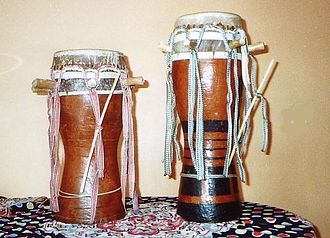
The sabar is a traditional Senegalese drum, integral to the region's music and dance culture, often played in social and ceremonial contexts.
Select reading age
Sabar Facts For Kids
Videos & Quizzesincluded
About this topic
Sabar is a cool drum from West Africa, especially popular in Senegal! 🥁It is often made from wood and animal skin. People play it with their hands or with sticks. Sabar is a part of many traditional dances and songs and is a great way to show joy and celebration! 🎉You can hear this drum in festivals, weddings, and other gatherings. Musicians use different techniques to create lively rhythms, making Sabar a big favorite at parties. The sounds are so fun that they make you want to dance! 🌟Understanding Sabar helps us appreciate West African music and culture.
Explore with ChatDinoKey Points
In Senegal, people don’t just play the Sabar; they dance to it too!
Listening to Sabar music can make you feel happy and excited!
The Sabar drum has been played for hundreds of years!
Today, the Sabar drum is taking on new forms!
Teaching kids about Sabar can be lots of fun!
Music can help solve problems, and Sabar is a great example!
The Sabar drum appears in many stories and songs from West Africa!
Sabar is unique, but there are other types of drums too!
Photos of Sabar

Sabar — photo 1

Sabar — photo 2

Sabar — photo 3

Sabar — photo 4
💃 Cultural Practices
In Senegal, people don’t just play the Sabar; they dance to it too! 💃The dance is called "Sabar dance", and it includes lots of energetic movements. Women often wear beautiful colorful outfits, while men show impressive dance skills! 🎊These performances are not just for fun; they often hold deep meanings, celebrating love, family, and community. People also wave long scarves as they dance, adding flair to the performance. 🎈Additionally, Sabar is played during ceremonies like weddings, when families come together to celebrate love and unity. It brings happiness and strengthens cultural ties!
Go deeper🎵 Psychological Aspects
Listening to Sabar music can make you feel happy and excited! 🎵Studies show that music makes our brains release dopamine, often called the "happy hormone." When people hear Sabar, they may want to dance or move their bodies. This joyful music is great for lifting spirits and can even help friends connect with each other better. 🤗When children play Sabar, they build confidence and teamwork skills, plus it feels amazing to create something beautiful together! So, Sabar isn’t just a drum; it also helps with feelings and friendships, making it super important for everyone!
Go deeper📅 Historical Significance
The Sabar drum has been played for hundreds of years! 📅It has roots in the Wolof people, one of the largest ethnic groups in Senegal. Famous musicians like Tati Sarr and Pape Diouf have helped make Sabar popular worldwide. 🌍The drum has incredible historical importance because it brings people together and tells stories. When the drum beats, it invites the community to join in dancing and celebrating life. Over time, it's been used during important cultural ceremonies, including naming ceremonies and harvest festivals. The Sabar connects the past to the present and showcases rich traditions!
Go deeper🎉 Sabar In Modern Society
Today, the Sabar drum is taking on new forms! 🎉You can find Sabar music not just in Senegal but all over the world! Musicians mix traditional Sabar rhythms with modern styles like hip-hop and pop, creating a fun blend of sounds! 🎤People love to dance to these new styles, making Sabar even more popular. In places like New York City, you might find Sabar classes where people of all ages come together to learn! 🌍This fusion of old and new keeps the Sabar tradition alive while exciting younger generations to love their heritage!
Go deeper🎊 Teaching Sabar To Children
Teaching kids about Sabar can be lots of fun! 🎊First, let them listen to its amazing sounds. Next, you can show them how to play simple beats using their hands or small sticks. 🥁Kids love to dance, so why not teach them a few simple Sabar dance moves? This encourages everyone to join in and celebrate together! When they understand its cultural importance, children learn about cooperation and community too. 🌍By involving storytelling, music, and dance, children can appreciate Sabar, making them enthusiastic about learning about different cultures! What a wonderful way to connect through music! 🎉
Go deeper🎶 Role In Conflict Resolution
Music can help solve problems, and Sabar is a great example! 🎶When people gather to play Sabar, they often leave their differences behind and connect with each other. It can be used during community meetings to lighten the mood and encourage peaceful discussions. 🤝Dancing and drumming together can help people feel closer and more united. In Senegal, when there’s a disagreement, gathering to play Sabar often helps resolve issues in a fun way. 🎉By focusing on rhythm and dance instead of arguing, people can understand each other better and find solutions together.
Go deeper📖 Sabar In Literature And Art
The Sabar drum appears in many stories and songs from West Africa! 📖These tales often feature the drum as a symbol of community and celebration. For example, writers might describe how people gather around the drum to share news and enjoy each other’s company. 👫Artists often paint beautiful scenes of people playing Sabar, showing how it brings joy and connection. 🎨In literature, the sound of the drum can represent many emotions—happiness, sadness, or excitement. This way, Sabar is not just heard but also seen and felt in stories, highlighting the drum's importance in culture.
Go deeper🥁 Comparison With Other Concepts
Sabar is unique, but there are other types of drums too! 🥁The djembe is another West African drum but is usually played with both hands. While the Sabar is often played solo, the djembe is often used in groups. 👫In contrast, the bongo drums from Cuba are smaller and known for their fast rhythms. The Sabar tends to have more fluid sounds that make people want to dance. What makes Sabar special is not just how it sounds but how it connects people through shared experiences and joyous celebrations. 🌈Each drum holds a special place in different cultures!
Go deeper