Ruggero Leoncavallo Facts For Kids
Ruggero Leoncavallo was an Italian opera composer known for his emotional storytelling, particularly in his famous opera 'Pagliacci.'
Select reading age
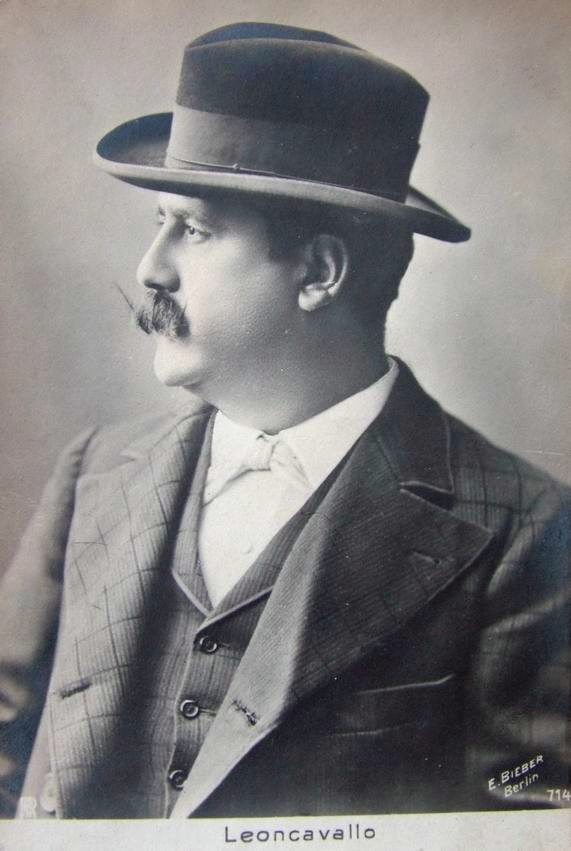
Ruggero Leoncavallo Facts For Kids
Videos & Quizzesincluded
About this topic
Ruggero Leoncavallo was a famous Italian composer born on April 23, 1857, in Naples, Italy. 🌍He is best known for his operas, especially "Pagliacci," which means "Clowns" in Italian! Clowns can be funny but also have sad stories to tell. Leoncavallo wanted to make music that moved people's hearts ❤️. He passed away on August 9, 1919, in Montecatini Terme, Italy, but his music still makes people feel many emotions today! 🎶
Explore with ChatDinoKey Points
Leoncavallo wrote several operas, but his most famous is "Pagliacci."
Many musicians influenced Ruggero's music.
Ruggero grew up in Naples, where he was surrounded by beautiful music 🎵 from a young age.
Leoncavallo's work had a lasting impact on the world of opera.
Ruggero Leoncavallo worked with various people throughout his career!
Leoncavallo's music has a unique style that makes it easy to recognize!
After "Pagliacci," Leoncavallo composed more operas and music but found it challenging to reach the same level of success.
Leoncavallo's operas often explore deep emotions like love, jealousy, and betrayal.
"Pagliacci" tells the story of a clown named Canio, who is sad because his wife, Nedda, loves another man.
Photos of Ruggero Leoncavallo

Ruggero Leoncavallo

Leoncavallo's house at Montecatini Terme

The grave at the Church of Madonna del Ponte with a view on Lake Maggiore.

Gnome-mime-audio-openclipart
🎭 Major Works
Leoncavallo wrote several operas, but his most famous is "Pagliacci." 🎭 This tragic story of love and jealousy premiered in 1892 and became a huge success. Another well-known work is "Zazà." 🎼 Leoncavallo also composed songs and orchestral music, showing his talent in different areas. His music often tells exciting and emotional stories that touch people's hearts.
Go deeper🎼 Musical Influences
Many musicians influenced Ruggero's music. 🎼He admired great composers like Giuseppe Verdi and Giacomo Puccini, who wrote beautiful and emotional operas. Leoncavallo loved how these composers taught stories through music. He also took inspiration from folk songs of Italy 🎤, adding more feeling to his work. Ruggero wanted to include everyday life's emotions in his operas to connect with his audience.
Go deeper🎵 Early Life And Education
Ruggero grew up in Naples, where he was surrounded by beautiful music 🎵 from a young age. He liked to sing and play instruments. His family noticed his talent early on! Ruggero went to school at the Conservatorio di Napoli, one of Italy's most important music schools. 🎓There, he learned to compose music and write songs, laying the foundation for his future as a famous opera composer!
Go deeper🎭 Legacy And Impact On Opera
Leoncavallo's work had a lasting impact on the world of opera. 🎭He helped shape the verismo movement, making operas more emotional and real. Many composers after him were influenced by his style and storytelling. Today, "Pagliacci" is performed regularly in opera houses around the world, ensuring his music continues to be enjoyed for years to come! 🌟
Go deeper🎤 Collaborations And Partnerships
Ruggero Leoncavallo worked with various people throughout his career! 🎤One of his most important partnerships was with librettist and poet, Gian Francesco Galletti. Together, they created captivating stories for Ruggero's compositions. He collaborated with talented opera singers and musicians, ensuring his work could be performed widely and loved by audiences everywhere. 🎉
Go deeper🎶 Style And Composition Techniques
Leoncavallo's music has a unique style that makes it easy to recognize! 🎶He used strong melodies and beautiful harmonies to create a sense of emotion. He wrote operas that combined spoken dialogue with singing, making the stories more dramatic. Ruggero also liked to use different instruments and rhythms to keep the music exciting and engaging for the audience. 🎻
Go deeper🎼 Later Works And Career Transition
After "Pagliacci," Leoncavallo composed more operas and music but found it challenging to reach the same level of success. 🎼He began exploring different musical styles and created songs and operettas. As music changed over the years, he embraced new ideas and kept learning. Even though he faced ups and downs, he remained passionate about creating beautiful music for people to enjoy. 💖
Go deeper♥️ Analysis Of Major Themes In His Operas
Leoncavallo's operas often explore deep emotions like love, jealousy, and betrayal. ♥️ In "Pagliacci," for example, the themes of heartbreak and the struggles of artists are central. His characters experience joy and sadness, showing that life has many sides. 🎭Leoncavallo's ability to express these feelings through his music helps listeners connect with and understand the stories on a personal level. 🌈
Go deeper😢 Pagliacci: Background And Significance
"Pagliacci" tells the story of a clown named Canio, who is sad because his wife, Nedda, loves another man. 😢This opera combines both joy and sadness, reflecting the duality of life. It is set in Italy and shows the lives of traveling performers. "Pagliacci" is significant because it helped create what is known as "verismo," which means "realism" in Italian. This style made operas more relatable and realistic! 🎌
Go deeper