Robert Capa Facts For Kids
Robert Capa was a Hungarian-American war photographer known for capturing powerful and emotional images during conflicts in the 20th century.
Select reading age
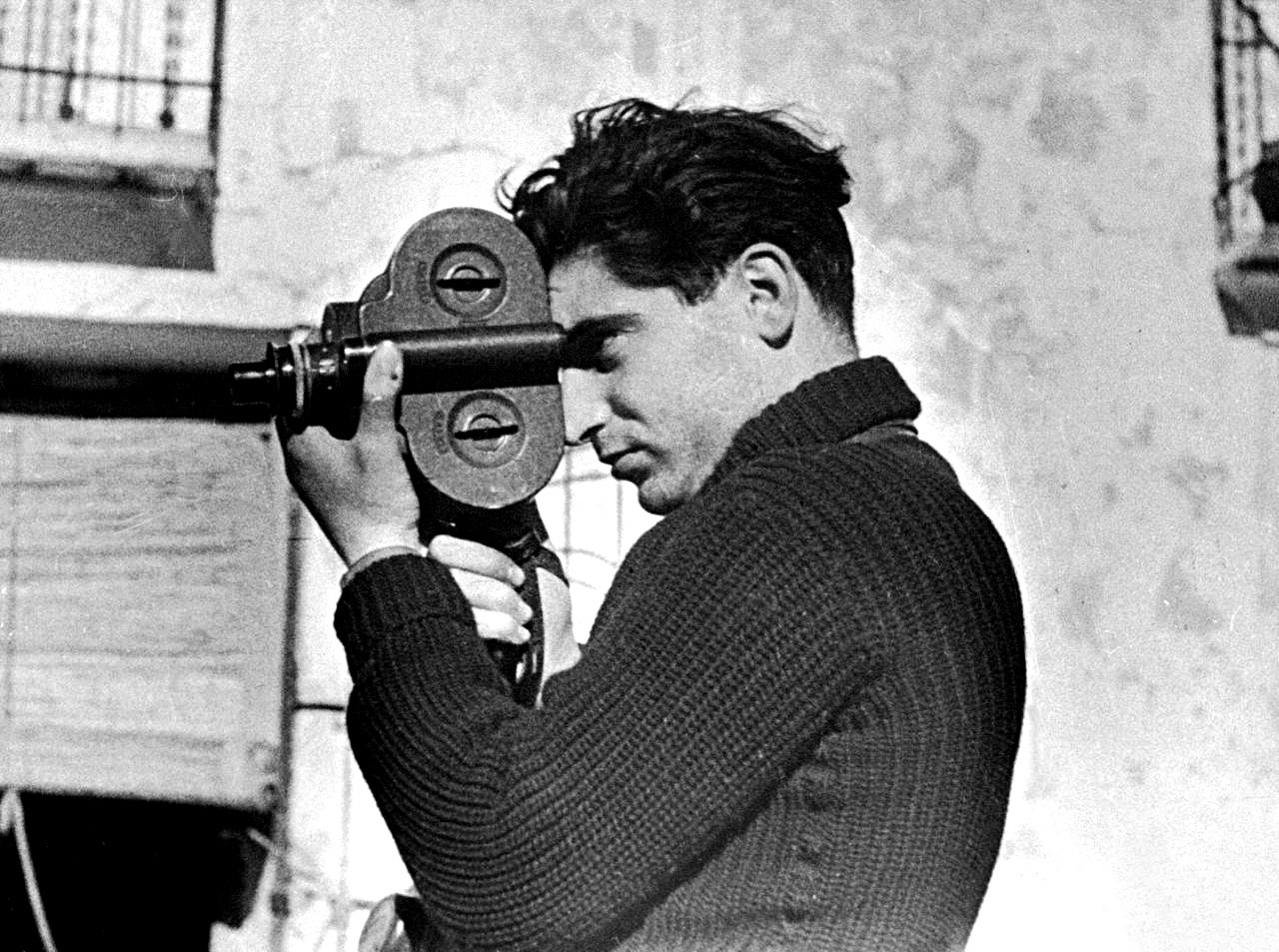
Robert Capa Facts For Kids
Videos & Quizzesincluded
About this topic
Robert Capa was a famous photographer born on October 22, 1913, in Budapest, Hungary. 📸He is best known for taking powerful pictures of wars and important events. Capa wanted people to see the reality of war instead of pretending it was all glamorous. He moved to the United States in 1939 to escape troubles in Europe and became an important figure in photojournalism. His photos helped many understand the seriousness of war and its effects on people. Capa always said, "If your pictures aren’t good enough, you aren’t close enough!" which means he liked to capture real emotions. 🌍
Explore with ChatDinoKey Points
Robert Capa created many famous images throughout his life.
Capa led an exciting life full of adventure!
Robert Capa's photography changed how people view war and its effects.
Capa was a brave man who wanted to show the truth of war.
In Paris, Capa took on many jobs to support himself.
Robert Capa inspired many photographers and journalists even after his death on May 25, 1954.
Capa had a unique style that made his photos stand out!
During his life and after, Robert Capa received many awards for his incredible photography.
Capa's real name was Endre Friedmann.
Photos of Robert Capa

A sculpture by Igael Tumarkin inspired by Death of a Loyalist Soldier

A display of some of Capa's works

Capa House in Leipzig 2015

People gathered to view Capa's work in the Capa-House

Monument to Robert Capa's death in Normandy, France

A street in Leipzig named after Capa

Commemorative plaque for Capa in Budapest
🌏 Notable Works
Robert Capa created many famous images throughout his life. His most well-known work includes "The Falling Soldier," "D-Day," and photos from the Chinese Civil War. 🌏Capa also co-founded the Magnum Photos agency in 1947. This agency was essential for photographers to showcase their work. Some of his pictures even appeared in magazines like Life and Time! His powerful storytelling through photography brought attention to important global issues, showing the world the horrors of war. His images blended art with reality, encouraging people to take action for peace. 📖
Go deeper🥳 Personal Life
Capa led an exciting life full of adventure! He was known to be charming and had many friends in the artist community. 🥳While in Paris, he fell in love with a famous photographer named Gerda Taro, and they often worked together, capturing the Spanish Civil War. Even though they didn't last, their working partnership shaped Capa's career. He enjoyed traveling and exploring new places, which helped him find amazing stories to tell through his photos. 🎒Capa also had a love for writing, and his thoughts about war and photography were influential in many magazines! 🌍
Go deeper🌟 Cultural Impact
Robert Capa's photography changed how people view war and its effects. His bold images brought war's human side to the public and made them question the nature of conflict. 🌟Capa also played an important role in the development of photojournalism as a career. Many modern photographers look up to him for his dedication to capturing reality. His techniques inspired new generations, encouraging them to explore the emotional side of photography. Capa showed us that pictures can speak louder than words! His legacy lives on in educational programs, inspiring kids to take their cameras and tell their own stories. 🎉
Go deeper🌊 War Photography
Capa was a brave man who wanted to show the truth of war. His most famous photo, "The Falling Soldier," was taken during the Spanish Civil War in 1936. This powerful image shows a soldier falling after being shot. It shocked people and made them think. Capa traveled to many places to capture war images, including World War II and the D-Day landings at Normandy in 1944. 🌊He often put himself in danger to get the best photos! Through his work, Capa showed that war affects real people and not just soldiers. His bravery inspired many other photographers! 🇺🇸
Go deeper🌟 Career Beginnings
In Paris, Capa took on many jobs to support himself. He initially worked as a photo assistant and took photos of movies and celebrities! 🌟However, his heart was in capturing more serious topics. During World War II, he started to photograph the war. He wanted to show the world what was happening. In 1936, he took famous pictures during the Spanish Civil War, where his thrilling images gained him recognition. Capa used a unique style called “emotion through action” in his photos. This meant he captured important moments to help people feel what was happening. 📷
Go deeper🌈 Legacy And Influence
Robert Capa inspired many photographers and journalists even after his death on May 25, 1954. 🌈His bravery and commitment to showing the truth helped future generations learn the importance of storytelling through photos. Capa's work led to more photographers wanting to capture real, raw emotions in their images. Things he did for photojournalism are still taught in schools today! 📚In 2016, he was even awarded a Google Doodle to honor his legacy. Through his photographs, Capa continues to remind us that capturing life’s moments is important, even the tough ones. 📸
Go deeper🌒 Techniques And Style
Capa had a unique style that made his photos stand out! He often used a technique called "low light photography," which means taking pictures in dim light. 🌒This helped capture emotions even when it wasn't very bright. He liked to get close to the action, which is why he said, "If your pictures aren’t good enough, you aren’t close enough!" He also preferred using 35mm cameras, which were lighter and easier to carry around. Capa relied on black-and-white film, which gave his photos a dramatic effect, making viewers feel connected to the moments captured. 🖤
Go deeper🥇 Awards And Recognition
During his life and after, Robert Capa received many awards for his incredible photography. In 1947, he won the prestigious Overseas Press Club Award for best photography. 🥇After Capa passed away, his legacy continued on, and he received further recognition. The "Robert Capa Gold Medal," awarded for exceptional war photography, was named in his honor. 📷Many schools and organizations remember him as a pioneer in photojournalism, and his work inspires countless photographers around the world! His photos are displayed in museums, allowing everyone to learn about his bravery. 📜
Go deeper💡 Early Life And Education
Capa's real name was Endre Friedmann. Born into a Jewish family, he had a lively childhood and loved to explore. At 16, he studied photography and became fascinated by capturing moments in time. 💡Capa worked as a photographer in Hungary, where he took pictures of political protests. His early experiences made him realize that photos could tell important stories. In 1931, he moved to Berlin, Germany, where he learned more about photojournalism and met many famous photographers of the time. Afterward, he left for Paris, hoping to find better opportunities. His journey was just beginning! 🗺
Go deeper