Rhus Facts For Kids
Rhus, or sumac, is a group of about 35 flowering plants in the Anacardiaceae family, noted for their feathery leaves and vibrant berries, and used in cooking and traditional medicine.
Select reading age
Rhus Facts For Kids
Videos & Quizzesincluded
About this topic
Rhus, commonly known as sumac, are flowering plants 🌸 that belong to the family of cashews and mangoes called Anacardiaceae. There are about 35 different species of sumac! While they can be lovely, it's important to remember that not all sumacs are the same. For example, poison sumac is different and can cause skin irritation. Sumac plants can be found all over the world, with some species thriving in warm, sunny climates 🌞. The leaves often turn bright red in the fall, creating beautiful landscapes! 🏞️
Explore with ChatDinoKey Points
Many species of sumac are not endangered and can be found growing wild 🍂.
It's crucial to tell sumac apart from poison sumac 🚫.
Scientists are studying sumac to learn more about its unique properties 🔬!
Sumac berries have a tangy, lemony taste 🍋 and can be used in cooking in many delicious ways!
In many cultures, sumac holds a special place 🌟.
Sumac plants help our environment in many ways 🌍.
Sumac plants are native to many regions, but they especially enjoy warm places ☀️.
Sumac plants have unique features 🌿.
Sumac plants belong to the genus Rhus and are part of the Anacardiaceae family, which also includes yummy fruits like cashews and mangos 🍑.
In traditional medicine, different species of sumac have been used to treat various ailments 😊.
Photos of Rhus

Rhus — photo 2


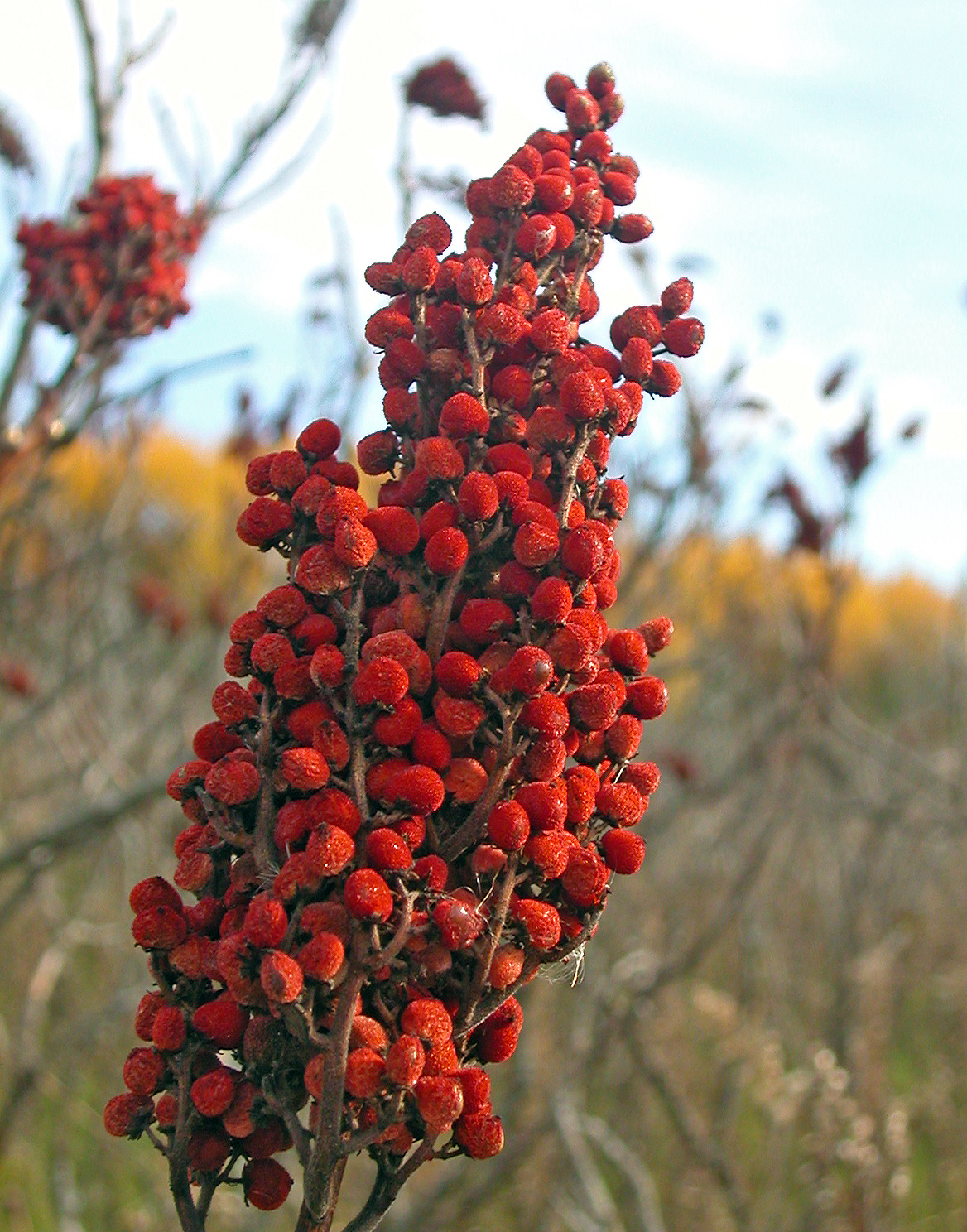
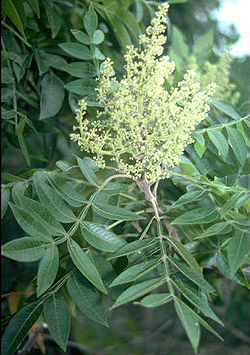
Drupes sumac tree in Pennsylvania.
🍂 Conservation Status
Many species of sumac are not endangered and can be found growing wild 🍂. However, some habitats where sumac grows can be affected by development, climate change, and pollution. It’s essential to protect natural areas and plant native species to keep our ecosystems thriving! Join conservation efforts by planting sumac in your garden and supporting local conservation organizations! By taking care of our environment, we can help these beautiful plants continue to survive and flourish for future generations! 🌱💚
Go deeper🚫 Toxicity And Safety
It's crucial to tell sumac apart from poison sumac 🚫. While some species of sumac are safe to eat and use, poison sumac can cause skin rashes and irritations. Poison sumac has white berries and shiny leaves, while edible sumacs have red berries and a fuzzy texture. If you're unsure about the plants you see in nature 🏞️, always ask an adult! When harvesting sumac for culinary use, make sure it is the right type, and wash it thoroughly before eating. Safety in nature is always a great idea!
Go deeper🔬 Research And Studies
Scientists are studying sumac to learn more about its unique properties 🔬! Research shows that sumac berries are packed with antioxidants, which help fight diseases and keep our bodies healthy. Some studies indicate that sumac might have anti-inflammatory effects, which can be advantageous for health. 🌱Scientists also thrive to understand its role in the ecosystem, helping to preserve lovely habitats for wildlife. Every new discovery helps us appreciate the humble sumac plants and their importance in our lives.
Go deeper🍋 Culinary Applications
Sumac berries have a tangy, lemony taste 🍋 and can be used in cooking in many delicious ways! They are often ground into a spice and sprinkled on salads, meats, and vegetables for extra flavor. In Middle Eastern cuisine, sumac is a key ingredient in dishes like fattoush and za'atar spice mixes! Many people love using it to season rice, fish, or grilled chicken 🎉. Besides its tasty flavor, sumac adds a beautiful color to your meals, making them more exciting to eat!
Go deeper🌟 Cultural Significance
In many cultures, sumac holds a special place 🌟. For example, in Middle Eastern countries, sumac is frequently used in cooking and symbolizes hospitality. It is a popular spice in traditional dishes that families share during festive occasions. Some Native American tribes used sumac not just as food but for making crafts and dyes. 🌈With its bright colors and unique flavors, sumac helps bring people together at the dinner table, creating special moments and tasty memories!
Go deeper🌍 Ecological Importance
Sumac plants help our environment in many ways 🌍. They provide food for birds and insects, especially their tasty red berries! The thick leaves offer shelter for small animals and bugs. Sumac plants also help prevent soil erosion by keeping the soil in place with their roots. 🌱In the fall, their colorful leaves attract people who enjoy nature, making them a beautiful addition to parks and landscapes! Sumac plants also contribute to the ecosystem by supporting pollinators, like bees and butterflies, which are essential for flowering plants as a whole! 🐝
Go deeper☀️ Habitat And Distribution
Sumac plants are native to many regions, but they especially enjoy warm places ☀️. They are found in North America, parts of Europe, and Asia. For example, Rhus glabra, or smooth sumac, thrives in the hot sun of the eastern United States. These plants like dry, rocky soil and often grow in open fields or along roadsides 🚧. They can adapt to different climates but prefer areas with plenty of sunlight. Sumac bushes create fun habitats for insects, birds, and animals!
Go deeper🌿 Physical Characteristics
Sumac plants have unique features 🌿. Their leaves are often compound, meaning they are made up of many smaller leaflets, and they are usually green but can turn yellow or red in the fall. Some species have fuzzy, hairy stems that resemble a stag's antlers, hence the name "staghorn" for Rhus typhina! Sumac plants produce clusters of small flowers that can be green, yellow, or white 🌼. After flowering, they produce red berries that look fluffy. These berries are often used for cooking or making beverages!
Go deeper🍑 Taxonomy And Classification
Sumac plants belong to the genus Rhus and are part of the Anacardiaceae family, which also includes yummy fruits like cashews and mangos 🍑. The scientific name "Rhus" comes from the Greek word "rhus," which means "sour," reflecting their tangy flavor! Some popular species of sumac include Rhus glabra (smooth sumac) and Rhus typhina (staghorn sumac). These plants are categorized as shrubs or small trees 🌳 and can grow around 1 to 10 meters tall! They play important roles in various ecosystems around the world.
Go deeper😊 Uses In Traditional Medicine
In traditional medicine, different species of sumac have been used to treat various ailments 😊. People have used sumac to make teas that soothe sore throats or help digestion. The berries are rich in vitamin C, which is excellent for boosting your immune system! 🌈Native American tribes also used sumac for healing purposes. The leaves and berries have properties that can help fight infections. Chewing sumac leaves can even help with bad breath! However, always ask an adult before trying any home remedies.
Go deeper