Red Phalarope Facts For Kids
The Red Phalarope is a small, colorful wader bird known for its migratory patterns, unique feeding methods, and role in Arctic habitats.
Select reading age
Red Phalarope Facts For Kids
Videos & Quizzesincluded
About this topic
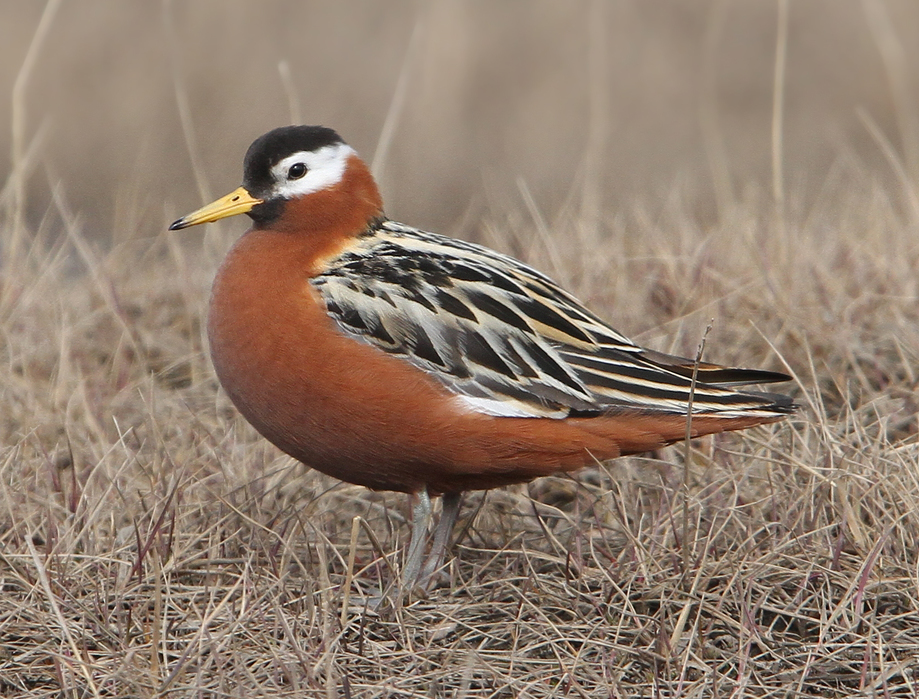
The Red Phalarope is a small, beautiful bird found mainly in the Arctic. 🌍They are known for their striking red plumage, especially during breeding season! The scientific name for the Red Phalarope is *Phalaropus fulicarius*. These birds have a unique swimming style, as they often paddle around in the water while hunting for food. They can be seen flapping their wings and diving in the ocean 💦. You can spot them flying over the Arctic Ocean during summer and winter in warmer seas. Understanding these birds helps us learn more about nature! 🌊
Explore with ChatDinoKey Points
Red Phalaropes are incredible travelers!
Red Phalaropes are currently not endangered, but they still need our help!
Red Phalaropes are super cute mommies!
In some cultures, Red Phalaropes symbolize change and adaptability.
Did you know Red Phalaropes can swim?
Red Phalaropes have a few predators to watch out for.
Red Phalaropes live in remote Arctic regions of North America, Europe, and Asia during summer.
Red Phalaropes are small, measuring about 8-9 inches long, and have a wingspan of 17-19 inches.
The Red Phalarope loves to eat small sea creatures!
Red Phalaropes are often compared with other phalaropes, like the Grey Phalarope and the Wilson's Phalarope.
Photos of Red Phalarope

Red Phalarope — photo 1

Red Phalarope — photo 2

Red Phalarope — photo 3

Phalaropus fulicarius - MHNT
🗺️ Migration Patterns
Red Phalaropes are incredible travelers! 🗺️ They migrate from their breeding grounds in the Arctic to warmer ocean waters during winter. These birds can fly hundreds to thousands of miles to find food. Some even travel all the way to places like the Caribbean! 🌴They leave their Arctic homes in late summer and arrive in warmer areas by early fall. In spring, when temperatures rise, they return to their breeding grounds. Their migratory journeys help them find food and avoid extreme cold, showing how clever they are! ✈️
Go deeper🌿 Conservation Status
Red Phalaropes are currently not endangered, but they still need our help! 🌿Their populations are stable, but their wetland habitats can be affected by pollution and climate change. Scientists monitor their numbers closely to ensure they remain safe. Organizations work hard to protect their breeding grounds and the oceans they migrate to. 🌏It's essential for kids like you to learn about conservation and protect this beautiful bird and its home so future generations can enjoy them too! Every little action counts in preserving nature! 🌱
Go deeper🐦 Breeding And Nesting
Red Phalaropes are super cute mommies! 🐦During the breeding season, females choose a nest site in soft, grassy areas by water. They build a small, shallow nest using grass and moss. The female lays about 3-5 eggs, which are camouflaged in color. After laying the eggs, the female leaves, and the male takes care of the eggs, keeping them warm until they hatch! 👶🏼 The fluffy chicks are ready to leave the nest just a day after hatching, and they can start feeding themselves almost immediately. This unique parenting style sets them apart!
Go deeper🌈 Cultural Significance
In some cultures, Red Phalaropes symbolize change and adaptability. 🌈They teach us about migration and the importance of seasons in nature! Some Indigenous peoples also share stories about these birds and their journeys. By observing them, communities learn about weather patterns and changes in their environments. 🌥️ Children can learn valuable lessons from these birds, like being curious and exploring the world around them. Awareness of birds like the Red Phalarope helps to foster a deeper appreciation for wildlife and the beauty of our natural world! 🌍❤️
Go deeper🌊 Interesting Behaviors
Did you know Red Phalaropes can swim? 🌊They're not just great flyers! They use their webbed feet to paddle in the water while feeding. Another fascinating behavior is their spinning feeding technique. They create small whirlpools in the water, making it easier to catch tiny fish and shrimp! 🦐When they feel threatened, they can quickly dive underwater or swim away. They also communicate with chirps and calls to stay in touch with their friends! 🎶These quirky behaviors make them a joy to watch in nature.
Go deeper🦅 Predators And Threats
Red Phalaropes have a few predators to watch out for. 🦅Birds of prey, like the Arctic Fox and Snowy Owl, often hunt them and their eggs. Human activities also pose threats! Pollution, habitat destruction, and climate change can harm their nesting areas and food sources. 🏭Oil spills are particularly dangerous, as they can contaminate the ocean and make it hard for Red Phalaropes to find food. It's crucial to protect their habitats and reduce pollution to keep them safe. 🌍By learning more about these threats, we can help protect these special birds!
Go deeper🌲 Habitat And Distribution
Red Phalaropes live in remote Arctic regions of North America, Europe, and Asia during summer. 🌲They prefer to breed near wetlands, lakes, and coastal areas with plenty of food. When winter arrives, they migrate to warmer waters, such as the Atlantic, Pacific, and Indian Oceans. 🌊They can be spotted along coastlines and at sea during migration. Some birds even travel to places like California and Hawaii! 🏖️ This migration journey can cover thousands of miles. Their unique habitats are essential for their survival, providing food and nesting spots.
Go deeper🦩 Physical Characteristics
Red Phalaropes are small, measuring about 8-9 inches long, and have a wingspan of 17-19 inches. They have short legs and round bodies, which help them float easily on water. 🦩During the summer, breeding male Red Phalaropes have bright red feathers on their backs and white bellies. The females are duller but have striking black and white patterns. In winter, they turn greyish-brown to blend into their surroundings. Their unique, pointed bills help them catch small sea creatures! They also have webbed feet, making them excellent swimmers. 🏊♂️
Go deeper🦐 Diet And Feeding Behavior
The Red Phalarope loves to eat small sea creatures! 🦐Their favorite foods include tiny fish, shrimp, and plankton. They catch their meals by spinning around in the water, creating a whirlpool effect. This technique helps to trap food near them. The birds then dip their long bills into the water to snag their prey. They are also known to forage along the shorelines and on mudflats during low tide. 🍽️ Their unique feeding behavior helps them stay healthy so they can migrate long distances each year.
Go deeper🦩 Comparison With Similar Species
Red Phalaropes are often compared with other phalaropes, like the Grey Phalarope and the Wilson's Phalarope. 🦩The Grey Phalarope is a bit smaller and has grey feathers instead of bright red. The Wilson's Phalarope is different because females are brighter than males, unlike the Red Phalarope. 👫While all three species are excellent swimmers and feed similarly, their coloration and behaviors set them apart. Each has its unique role in the ecosystem, showcasing the diversity of birdlife. 🐦By learning about these similarities and differences, we can understand and appreciate our feathered friends better!
Go deeper