Red Crossbill Facts For Kids
The Red Crossbill, also known as the Common Crossbill, is a medium-sized passerine bird recognized for its crossed beak, which allows it to easily extract seeds from conifer cones.
Select reading age
Red Crossbill Facts For Kids
Videos & Quizzesincluded
About this topic
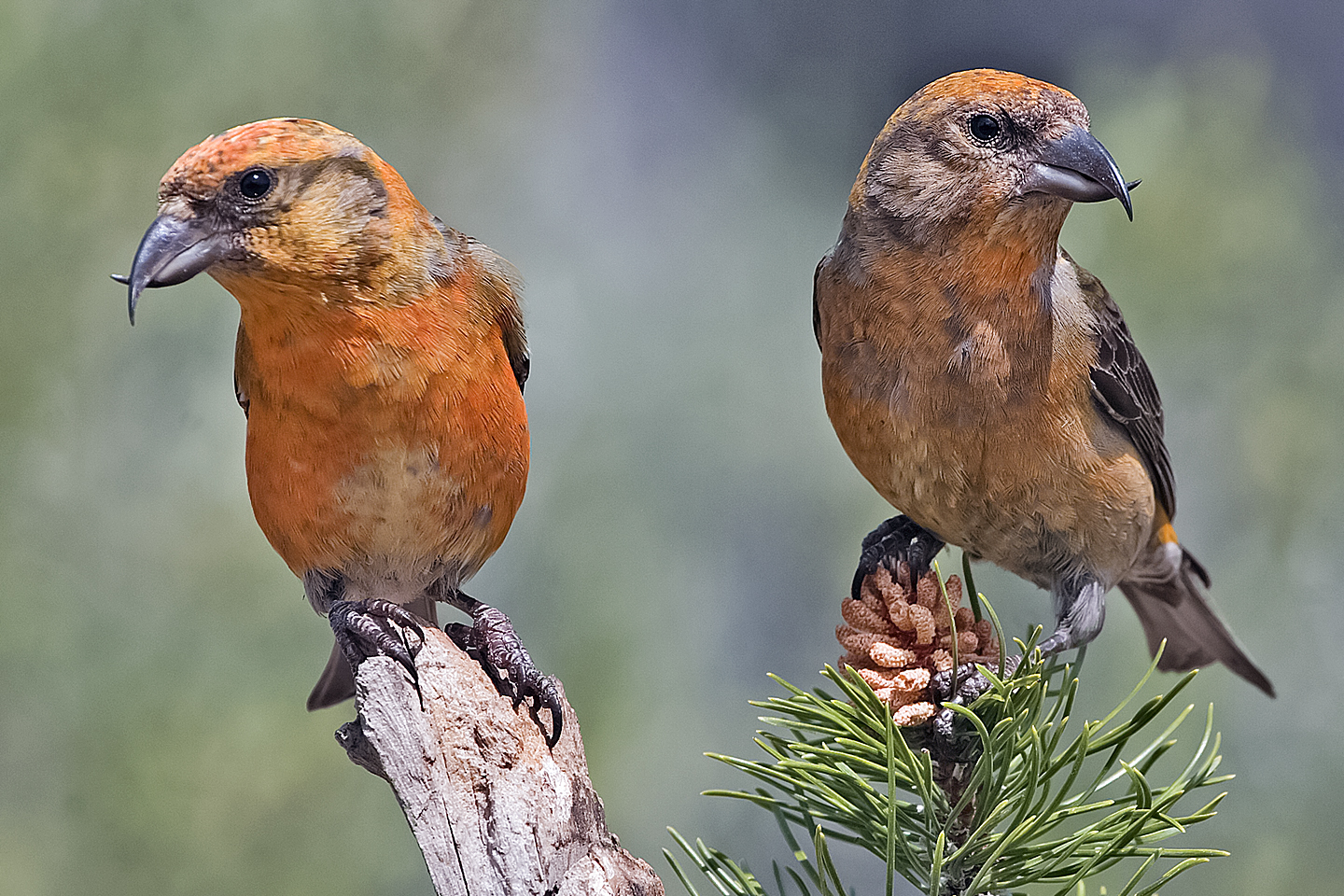
The Red Crossbill is a unique little bird that you can find in North America, Europe, and parts of Asia. 🎶This colorful bird is known for its special crossed beak, which helps it eat seeds from pine cones! There are different types of Red Crossbills that prefer different pine trees. They are fun to watch because they often fly in flocks and make cheerful sounds. They are about 6-8 inches long, and males have bright red feathers while females are more yellowish or brown. Let's learn more about these fascinating birds! 🌲
Explore with ChatDinoKey Points
The Red Crossbill has several close relatives in the finch family.
Did you know that Red Crossbills can change their breeding season?
The Red Crossbill is currently not considered endangered, but its population can change due to habitat loss.
Red Crossbills build their nests in the branches of trees, usually in the coniferous forests they love.
The Red Crossbill holds cultural significance in various regions and is often admired for its colorful appearance.
You can find Red Crossbills in forests, especially those filled with pine trees.
Red Crossbills have a distinctive cross shape in their beaks, which makes it easy for them to crack open seeds!
Red Crossbills are experts at eating seeds from pine cones.
The Red Crossbill belongs to the family Fringillidae, which includes many types of finches.
Red Crossbills are known for their cheerful and melodic songs!
Photos of Red Crossbill

Red Crossbill — photo 1

Eggs from the collections of the MHNT

Mediaeval sketch by Matthew Paris in his Chronica Majora (1254) of a crossbill holding a fruit in its beak, with the Latin words Alaudis parum majores ('a little bigger than larks').

'The Cross-Bill' wood engraving in Thomas Bewick's A History of British Birds (1847 edition)

Crossbill skull and jaw anatomy from William Yarrell's A History of British Birds (1843)

Distribution in North America. Year-round Year-round (scarce) Nonbreeding Nonbreeding (scarce)

Newfoundland crossbill (L. c. percna)
🙌 Related Species
The Red Crossbill has several close relatives in the finch family. 🙌Some of these include the White-winged Crossbill and the Two-barred Crossbill. While they all have crossed beaks, each species has unique traits and different preferences when it comes to food and habitat. Other related birds include the Common Redpoll and the Pine Siskin. All of these birds are part of the diverse finch family and share similar characteristics, but each tells its own story in the bird world! 🐦
Go deeper😮 Interesting Facts
Did you know that Red Crossbills can change their breeding season? 😮Unlike many birds, they can breed any time of year if food is plentiful! Their beaks also grow throughout their lives, which helps them adapt to the types of seeds they prefer. Another fun fact is that they usually can’t tell which type of pine tree they will find seeds in until they try to eat from them! These adaptable birds have fascinating behaviors that make each day an adventure. Keep your eyes peeled, and you might spot one! 👀
Go deeper🌍 Conservation Status
The Red Crossbill is currently not considered endangered, but its population can change due to habitat loss. 🌍Things like logging, forest fires, and climate change can impact their homes. Because they depend on specific types of pine trees for food, protecting forests is crucial for their survival. Organizations work to monitor bird populations and ensure that forests are healthy. You can help, too, by planting trees and keeping the environment clean for these beautiful birds! 🌱
Go deeper🌳 Breeding And Nesting
Red Crossbills build their nests in the branches of trees, usually in the coniferous forests they love. 🌳The female usually lays about 3 to 5 eggs, which are a pale greenish color with spotted markings. After about two weeks, the eggs hatch, and the little baby birds need a lot of care! The parents work together to feed the chicks with seeds from nearby trees. The babies grow quickly, and after a few weeks, they learn to fly and find their own food. It's a busy time for these caring bird families! 🐣
Go deeper🌈 Cultural Significance
The Red Crossbill holds cultural significance in various regions and is often admired for its colorful appearance. 🌈In some Native American cultures, they are associated with transformation and strength. Birdwatching enthusiasts love spotting these birds, and they are a popular topic for nature enthusiasts! Storytellers often include them in tales about the forest. The Red Crossbill’s cheerful song and colorful plumage remind us of the beauty of nature and the importance of protecting it for future generations! 🌏
Go deeper🌲 Habitat And Distribution
You can find Red Crossbills in forests, especially those filled with pine trees. 🌲They love places with a lot of coniferous trees where they can find seeds to eat. In North America, they can be spotted all the way from Canada to Mexico! They are also found in parts of Europe and Asia, where they enjoy high-altitude regions. These birds are quite adaptable and can live in different types of forests, whether they’re in snowy mountain areas or warmer climates. Travel to the forest, and you might see them flying around! 🌤️
Go deeper🌟 Physical Characteristics
Red Crossbills have a distinctive cross shape in their beaks, which makes it easy for them to crack open seeds! 🌟Males are generally bright red, while females can be yellowish-brown or olive-green. They have sturdy bodies and strong legs for gripping branches. They also have a medium-sized tail that helps them fly quickly through trees. Crossbills have short, thick necks, and large eyes that give them excellent vision. When you see them up close, their colorful feathers stand out against the green of the pine trees! 🌲
Go deeper🍻 Diet And Feeding Behavior
Red Crossbills are experts at eating seeds from pine cones. 🍻Their crossed beaks allow them to pry apart the scales of the cones to get to the seeds inside! They prefer seeds from various pine species, such as Red Pine or Lodgepole Pine, and they can even eat from spruce and fir trees. They often feed in flocks and share their food with friends. When they find a good tree full of cones, they spend lots of time eating and enjoying their favorite snack. Yum! 🌰
Go deeper🐦 Taxonomy And Classification
The Red Crossbill belongs to the family Fringillidae, which includes many types of finches. 🐦Scientists have split them into different types based on their song and the kind of trees they like. There are about ten different types of Crossbills! They belong to the genus Loxia, and their scientific name is Loxia curvirostra. The unique shape of their beak is perfect for getting seeds from cones. Crossbills are closely related to other finches, like the Common Redpoll and Pine Siskin. They are a special group of birds with lots of interesting characteristics! 🌳
Go deeper🎶 Vocalizations And Communication
Red Crossbills are known for their cheerful and melodic songs! 🎶They communicate through various sounds and calls, which help them stay connected with their flock. Their songs can sound like tinkling bells or whistling notes. This helps them find each other in the trees and warn about danger from predators. They also use different calls to express feelings like joy or surprise! These vocalizations are a key part of their social behavior, keeping their flocks close together while they feed and explore. Can you mimic their sounds? 🎵
Go deeper