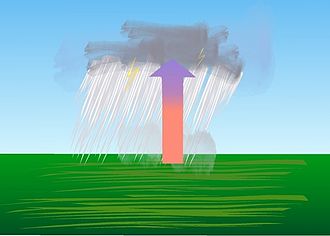
Rain is water droplets that have condensed from atmospheric water vapor and then fall under gravity, forming a critical component of the water cycle.

Set reading age
View for Kids
Easy to read and understand
View for Students
Clear, detailed explanations
View for Scholars
Deep dives and big ideas
Rain is a natural weather phenomenon that happens when water droplets from the sky fall to the ground 🌧️. It forms when warm air rises and cools, causing water vapor to turn into tiny droplets. These droplets gather and become heavy enough to fall down as rain. Did you know that the largest raindrop ever recorded was about 0.3 inches wide? Rain is essential for life on Earth, helping plants grow, filling rivers, and providing fresh water for animals and people. 🌎In some cultures, rain is celebrated as a gift from nature!
There are several types of rain, including drizzle, shower, and downpour 🌦️. Drizzle consists of tiny droplets falling gently, while a shower is more intense and may last for a short time. A downpour is heavy rain that can happen suddenly! 🌧️ Another type is "freezing rain," which happens when raindrops freeze before hitting the ground, creating ice. The world has rain like monsoon rain in India 🇮🇳 during summer, and gentle rain can be seen in tropical rainforests. Each kind of rain plays an essential role in our ecosystem!
The water cycle is the journey that water takes through the Earth and sky. First, the sun shines and warms up water in oceans, lakes, and rivers. This causes some water to evaporate into vapor ☀️. Next, the vapor rises and cools down, forming clouds ☁️. When the droplets in the clouds get heavy, they fall back to the Earth as rain 🌧️. This cycle continues over and over again, allowing water to be reused and helping to support all life. The whole process can take days, but it's always happening all around us!
We measure rain using tools called rain gauges. A rain gauge is a container that catches rainwater. 🌧️ When we measure how much rain falls, we use units like inches or millimeters. For example, a typical rain gauge can show if there’s 1 inch or even more than 5 inches of rain! In places like Seattle, Washington, it rains about 37 inches per year, while the Sahara Desert receives less than 1 inch! 📏Knowing the amount of rain helps farmers grow food and tells scientists how much water is in our rivers and lakes!
Farmers depend on rain for their crops! 🌾Many plants need specific amounts of rain to grow, and too much or too little can hurt harvests. In places like California, farmers use irrigation to water their fields when it doesn’t rain enough. 🌽In contrast, places like Bangladesh thrive on the monsoon rains, which refill rivers and nourish rice fields. Proper rain helps protect our food supply, making it an important part of agriculture worldwide. Farmers often keep track of rain forecasts, as it helps them decide when to plant seeds and harvest crops.
Rainwater harvesting is the process of collecting rainwater for future use! 🌧️ People in many parts of the world make special systems to catch and store rainwater from rooftops and other surfaces. This water can be used for drinking, gardening, or washing. For example, in India 🇮🇳, rainwater harvesting helps communities access fresh water during dry seasons. By collecting rainwater, families can save money and help the environment by reducing water waste! 🌍It’s a smart way to use a precious resource that can be very helpful in times of need!
Sometimes, rain can lead to severe weather, including storms and floods 🌩️. Hurricanes, like Hurricane Maria in 2017, can bring extremely heavy rain and wind, causing damage to homes and communities. Flooding occurs when too much rain falls in a short time, putting low-lying areas underwater. ☔️ We have to be careful and have safety plans in case of such weather. Meteorologists study storms and create forecasts to help keep people safe. Awareness and preparation can make a big difference when severe weather strikes!
Rainfall can vary greatly across different climates 🌍! In tropical areas like the Amazon rainforest, it rains almost daily, providing a warm, humid environment. Places like England 🇬🇧 experience frequent light rain throughout the year. On the other hand, deserts like the Mojave in California get very little rain, often less than 10 inches yearly 🌵. These different climates shape the plants and animals that live there. Some creatures, like cacti, have learned to survive with very little water, while rainforests are full of lush greenery!
Rain has inspired countless artists and writers throughout history! 🎨From poems about gentle showers to paintings showing dramatic stormy skies, rain plays a big role in creativity. Famous poets like William Wordsworth wrote about rain's beauty ☔️, while artists like Claude Monet painted lovely scenes of rain-soaked landscapes. Rain is often used in stories as a symbol of emotion, like sadness or happiness. It can set the mood for stories, making readers feel what the characters feel. Rain helps connect people through shared experiences in art and literature! 📚
Rain is crucial for ecosystems all around the world! It helps plants grow 🌱, providing food and shelter for animals. Wetlands, like marshes, need rain to thrive, creating habitats for frogs and birds 🐸. Rain also replenishes rivers and lakes, supporting fish and other aquatic life. In deserts, rain can bring life after long dry spells! Every drop counts in maintaining a balanced ecosystem, as it helps all living organisms find the water they need. 🌎Rain is a key player in keeping our planet healthy!
Rain has special meanings in many cultures. For instance, the rain dance is a ritual performed by some Native American tribes to pray for rain ☔️. In Japan, there's even a festival called "Tanabata" where people write wishes on colorful strips of paper, hoping for it to rain! 🌈Rain is often seen as a symbol of renewal and growth in literature and art. Many cultures celebrate rain with songs and festivals, believing it brings good luck and harvests. In some parts of Africa, rain is so important that they have "rain gods" in their traditions!


DIY is a creative community where kids draw, build, explore ideas, and share.
No credit card required