A projectile is an object that is propelled by an external force and moves freely under the influence of gravity and air resistance.

Set reading age
View for Kids
Easy to read and understand
View for Students
Clear, detailed explanations
View for Scholars
Deep dives and big ideas
A projectile is an object that is launched into the air! 🌠When you throw a ball or shoot an arrow, you're sending a projectile. It’s propelled by a force (like your arm or a bow) and then moves by itself due to gravity, which pulls things down towards the Earth. Did you know that the famous game "Angry Birds" uses projectiles? When you fling the birds, you are mimicking real-life projectiles! 📏Understanding projectiles helps us learn about motion, sports, and even space travel! So, let's dive into the amazing world of projectiles together! 🚀
There are many types of projectiles, and they vary in size and use! 🎈One common type is a ball, like in basketball or soccer. ⚽️ Another is an arrow, which is shot from a bow. Some projectiles are rockets, used in space exploration! 🚀You can even think about a bullet from a gun as a type of projectile. Did you know that in sports, professionals use different projectiles like javelins and discus? Each type of projectile is designed for specific activities, making them fun and exciting!
Long, long ago, around 3000 B.C., people began using projectiles! The first projectiles were stones thrown by hand. Later, they invented slings to throw stones much further! 🎣The ancient Greeks created the catapult around 400 B.C. to hurl objects during battles! ⚔️ In the Middle Ages, people used trebuchets, powerful machines that flung large rocks at castle walls. The invention of gunpowder in the 9th century allowed for even more powerful projectiles, like cannonballs! 💥Understanding history helps us see how projectiles have evolved over time and their importance in human activities.
Projectile motion is the science that explains how projectiles move through the air! 🌬️ When a projectile is launched, it follows a curved path called a trajectory. This path is influenced by gravity and air resistance. For example, if you throw a ball, it goes up first, then comes down because of gravity. 🌀The angle at which it's thrown and its speed also determine how far it goes. Remember that gravity is always trying to pull things down to the ground! This combination of forces helps us predict where the projectile will land!
Some projectiles have become famous in history! 📜One example is the *Apollo Lunar Module*, which was a projectile that took astronauts to the Moon during the Apollo 11 mission. 🚀Neil Armstrong and Buzz Aldrin were the first humans to walk on the Moon in 1969! Another famous projectile is the *ball used in the first World Cup*, which took place in Uruguay in 1930! ⚽️ Projectiles have even changed how wars were fought, like the legendary trebuchet from the Middle Ages. Each famous projectile tells stories of their time!
Projectiles are essential for space exploration! 🚀When launching a rocket, it becomes a projectile that travels to space. The very first human-made projectile to leave Earth's atmosphere was the *Vostok 1*, launched by Yuri Gagarin, the first person in space! 🌌Rockets use powerful engines to overcome gravity and send satellites or astronauts into orbit. 🛰️ Without projectiles, we wouldn’t have space stations or telescopes! Each launch is an exciting step in exploring our universe and learning more about planets and stars. Keep dreaming big!
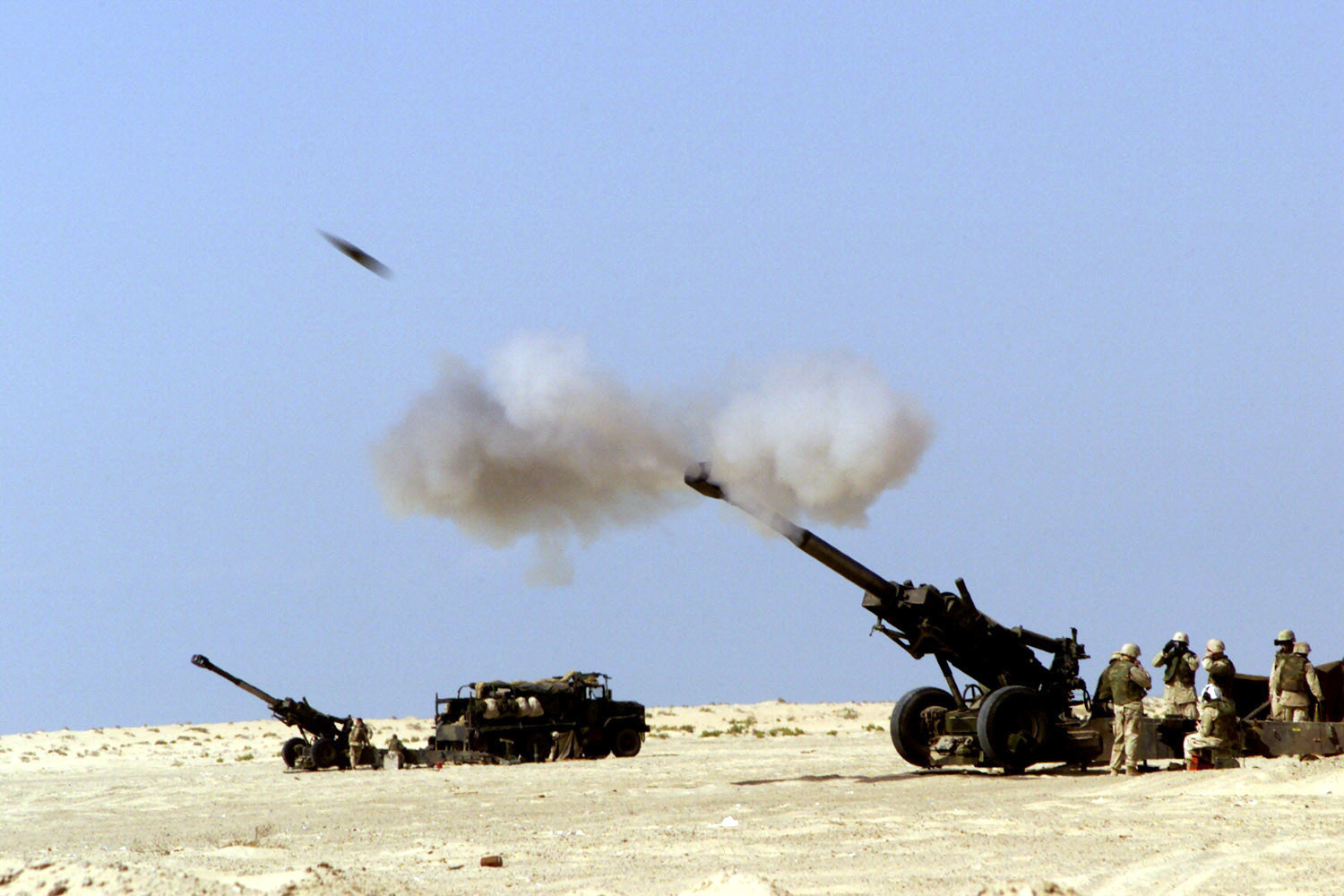
Projectiles have played a major role in military technology throughout history! ⚔️ Ancient armies used arrows and stones as projectiles. Then, with gunpowder, they created cannonballs for larger impacts! In modern times, missiles are powerful projectiles used in defense systems. 💣They can travel far and hit very specific targets! Technology has improved projectiles to be faster and more accurate. Understanding projectiles in this context shows how humans have developed tools for protection and strategic purposes. Remember, it's important to use technology responsibly!
Sports are full of fun projectiles! 🎾In basketball, players shoot the ball towards the hoop, using projectile motion to score points. 🏀Volleyball players spike the ball over the net! The physics of projectiles helps athletes improve their skills. For example, in archery, archers aim to hit targets by understanding angles and distances. 🎯In track and field, athletes throw javelins and shot puts, showcasing the power of projectile motion. Each sport uses projectiles in different ways, making them exciting and competitive! Let's cheer for our favorite teams! 🎉
Safety is super important when dealing with projectiles! ⚠️ Always wear protective gear, like helmets, when playing sports with projectiles. 🧢Misusing projectiles, like throwing objects at others, can cause accidents or injuries, so it’s essential to be careful. Pay attention to rules in games like archery or shooting sports to keep everyone safe. 🔫Ask an adult for help if you're curious about using any projectiles responsibly! By being safe, we can enjoy the thrill of projectiles without any risks! Always remember to have fun! 🌈
Math plays a big role in understanding projectiles! 📐When we throw or launch something, we can use equations to predict where it will land! The height and distance a projectile travels depends on factors like speed and angle. One important formula is Range = (Initial Speed² * Sin(2 * Angle)) / Gravity. 🌍This helps scientists calculate how far a projectile will go. Understanding these principles helps engineers create better projectiles too! So, the next time you throw a ball, you’re applying math in real life! Isn’t that cool? 😄


DIY is a creative community where kids draw, build, explore ideas, and share.
No credit card required