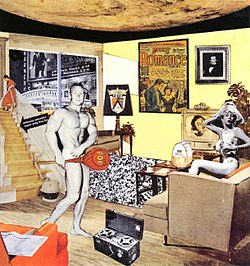
Pop Art is an art movement that emerged in the United Kingdom and the United States during the mid- to late-1950s, characterized by its focus on popular culture and consumerism.
Set reading age
View for Kids
Easy to read and understand
View for Students
Clear, detailed explanations
View for Scholars
Deep dives and big ideas
Pop Art is a colorful and fun art movement that started in the 1950s! 🎨It began in places like the United Kingdom and the United States. Pop Art uses images from popular culture, like cartoons, advertisements, and celebrities, to create exciting artwork. Artists wanted to show how everyday things could be beautiful and interesting. Some famous Pop Art pieces, like the famous Campbell's Soup cans by Andy Warhol, made people think about what art can be. Pop Art is still loved today and has inspired many artists all over the world! 🌍
Today, Pop Art can be seen everywhere, thanks to modern media! 📱Social media platforms showcase amazing artworks and themes inspired by Pop Art, like memes and emojis! Artists use technology to create vibrant images, animations, and digital designs. Some commercials even use Pop Art styles to attract attention and make ads fun! 🎥Many museums and galleries include contemporary artists who continue the Pop Art tradition, proving that this lively movement is still alive and thriving in our world!
Not everyone loved Pop Art! Some critics thought it was too commercial and didn't take art seriously. 😮They believed using popular images was not true art. Others worried that it was all about money or fame instead of real emotions. Some artists, like Robert Rauschenberg, mixed Pop Art with other styles to push boundaries further. ☁️ These debates helped artists think deeply about their work and its meaning. Overall, Pop Art opened up discussions about art, encouraging everyone to share their feelings about it, whether positive or negative!
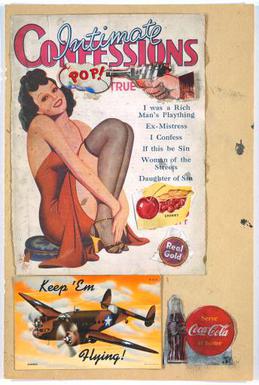
Pop Art features themes that celebrate consumer goods, popular culture, and everyday life. 🎈Artists used bright colors, bold lines, and unique patterns to grab attention. They often used techniques like screen printing, which allowed for multiple copies of their works. Some artists also combined materials, like print and paint, to create fun textures! They loved using familiar images, like cartoons and logos, to make people smile. By taking things from everyday life, they changed how we view art and made it exciting for everyone! 🌟
In the 1950s, artists wanted to break away from traditional art. Many people were influenced by the rise of consumer culture, advertising, and mass media. 📺Artists like Richard Hamilton and Andy Warhol took inspiration from comic books and brands to make their art relatable and fun. This unique style challenged the idea of what art could be, moving away from serious subjects to embrace everyday life. Pop Art helped art reach more people and made it popular and entertaining. By the late 1960s, it became a big part of pop culture!
Pop Art was heavily influenced by consumer culture, which is all about buying and enjoying products! 🛍️ During the 1950s and 60s, people were excited about new inventions and advertisements. Artists noticed how products and logos were everywhere and decided to use them in their art. For example, Andy Warhol’s Campbell's Soup cans made people think about food as art. 🍲By celebrating consumer goods, Pop Art made viewers rethink what they buy and how they relate to the world around them. It showed that art can be a part of daily life!
Some of the most famous Pop Art pieces include Andy Warhol's "Marilyn Diptych" and Roy Lichtenstein's "Whaam!" 🎉 These artworks have been showcased in major exhibitions around the world, like the Tate Modern in London and the Museum of Modern Art in New York City. 🏙️ Exhibits often feature interactive pieces, allowing visitors to engage with these iconic works. Special events even celebrate Pop Art, like festivals and workshops, where children can make their own colorful creations! 🎈If you get the chance, visiting a Pop Art exhibition is a fun way to explore this exciting movement!
While Pop Art started in the United States and the United Kingdom, it quickly spread to other countries! 🌎In Italy, artists like Mimmo Rotella used posters to create art from torn advertisements. In Japan, artists like Takashi Murakami created colorful characters and blended traditional and modern styles. 🐶In Brazil, the artist Romero Britto combined bold colors and happy designs to represent Brazilian culture! Pop Art traveled all over, inspiring many different styles and making connections across borders. No matter where it was created, Pop Art's energy and fun have made it a worldwide movement! 🎉
Some of the most famous Pop Art artists include Andy Warhol, Roy Lichtenstein, and Claes Oldenburg. 🖌️ Andy Warhol is known for his bright, colorful depictions of soup cans and movie stars, making art accessible to everyone. Roy Lichtenstein copied comic book styles, using bold colors and important speech bubbles—just like a real comic! 📚Claes Oldenburg created giant sculptures of everyday objects, like a massive hamburger! 🍔These artists showed that art could come from anywhere and could be fun, making them superstars in the art world!
The legacy of Pop Art has changed the art world forever! 🌟It inspired new movements like Street Art and Graffiti, with artists blending popular culture and bold designs. Today, many artists still use everyday objects and themes from Pop Art in their creations. 🎶It also encourages artists to break the rules and explore new ideas, making art more accessible to everyone. As a result, Pop Art has created a culture of different voices and styles, ensuring that art remains exciting and relevant for generations to come!
Pop Art isn't alone; it has connections with other art movements! 🎨For instance, it shares techniques with Dadaism, which challenged traditional art in the 1910s. Both movements used everyday objects and playful images to make statements. Surrealism also influenced Pop Art by mixing reality with fantasy, as seen in some of Warhol's dreamy pieces! 💤Many contemporary artists borrow elements from Pop Art to create unique works, showing its ongoing impact. By connecting with other styles, Pop Art helps create a rich and diverse art world, sparking creativity and inspiration everywhere! 🌈


DIY is a creative community where kids draw, build, explore ideas, and share.
No credit card required