A pontoon bridge, also known as a floating bridge, uses floats or shallow-draft boats to support a continuous deck for pedestrian and vehicle travel.

Set reading age
View for Kids
Easy to read and understand
View for Students
Clear, detailed explanations
View for Scholars
Deep dives and big ideas
A pontoon bridge, also called a floating bridge, is a special kind of bridge that floats on water 🌊. Instead of standing on strong ground, it uses big balloons or boats called pontoons to keep it above the water. These bridges are great because they can be built quickly and are useful where it's hard to build regular bridges. People use pontoon bridges for walking, biking, and driving 🚗. Some famous pontoon bridges connect towns and even serve as temporary bridges during emergencies, like floods!
Pontoon bridges are made from several materials to keep them strong! The pontoons are often made from steel or plastic, keeping them light and buoyant (that means they float!). 🌈The deck, where people walk and cars drive, is usually made from wood or concrete for stability. Often, ropes and chains are used to tie everything together, making it secure. Builders need to choose the right materials to make sure the bridge can hold the weight of people and vehicles crossing it safely.
When designing a pontoon bridge, experts think about many important things! They first look at how deep the water is, needing the pontoon to float properly. 🌊They also consider how many people and vehicles will use it to make sure it’s strong enough. Weather plays a big role too; if strong winds or storms can occur, the design needs to be tough! Additionally, they think about the bridge length and how it connects to roads on both sides. All these factors help create a successful pontoon bridge!
Pontoon bridges are used in many ways! They help people cross rivers quickly 💨, especially in areas where it's hard to build regular bridges. These bridges are also useful for rescues during floods, allowing boats and emergency vehicles to reach people in need. Many pontoon bridges serve as scenic walkways, letting people enjoy beautiful views while walking and biking. Some are even used in military operations, helping armies move quickly across water. A pontoon bridge’s flexibility makes it a favorite in different situations!
Building pontoon bridges can be tricky! One challenge is making sure the bridge stays stable on the water. If waves start rocking the bridge, it can be hard to walk on safely. 🌊Engineers also have to make sure it's strong enough to hold heavy vehicles without sinking. Weather can be a problem too; strong winds or storms might damage the bridge. Lastly, they need to think about maintenance to keep the bridge in good condition. These challenges make pontoon bridges fascinating engineering projects!
Keeping pontoon bridges safe is very important! Regular inspections help experts find cracks or weak spots, making sure the bridge can hold weight properly. They also check the pontoons for leaks to keep them floating 👀. Cleaning the bridge removes dirt and debris, making it safe to use. This maintenance work is usually done at least once a year. Moreover, it's essential for everyone using the bridge to follow rules like not exceeding weight limits. Good maintenance keeps the bridge strong for years to come!
Building a pontoon bridge is exciting! First, experts decide where to place it. They then put lots of pontoons or floats on the water 🛥️. After that, they attach a strong deck on top that people and vehicles can use. Sometimes they use cranes or boats for lifting heavy parts. Once everything is in place, they check the bridge to make sure it's safe before letting people cross. This process can take a few days or weeks, depending on how big the bridge is. Building these bridges is like creating a floating roadway!
There are a few types of pontoon bridges! One type is for people, where only walkers and bikers can cross. Another is for cars and trucks, allowing vehicles to travel over water 🌉. Some pontoon bridges are temporary and used during emergencies, while others are permanent, built to last for a long time. You might also find military pontoon bridges, helping soldiers move quickly. These different types make pontoon bridges useful in many situations and places all around the world!
The future of pontoon bridges looks bright! ⚡️ With new technology, engineers are finding better ways to design and build these floating structures. They are exploring eco-friendly materials that can make pontoon bridges even lighter and more durable. Solar panels might even be used to power lights on the bridge at night! As the world adapts to climate change, pontoon bridges can help in emergency situations, making them more important than ever. As creative minds work together, pontoon bridges will continue to float into the future!
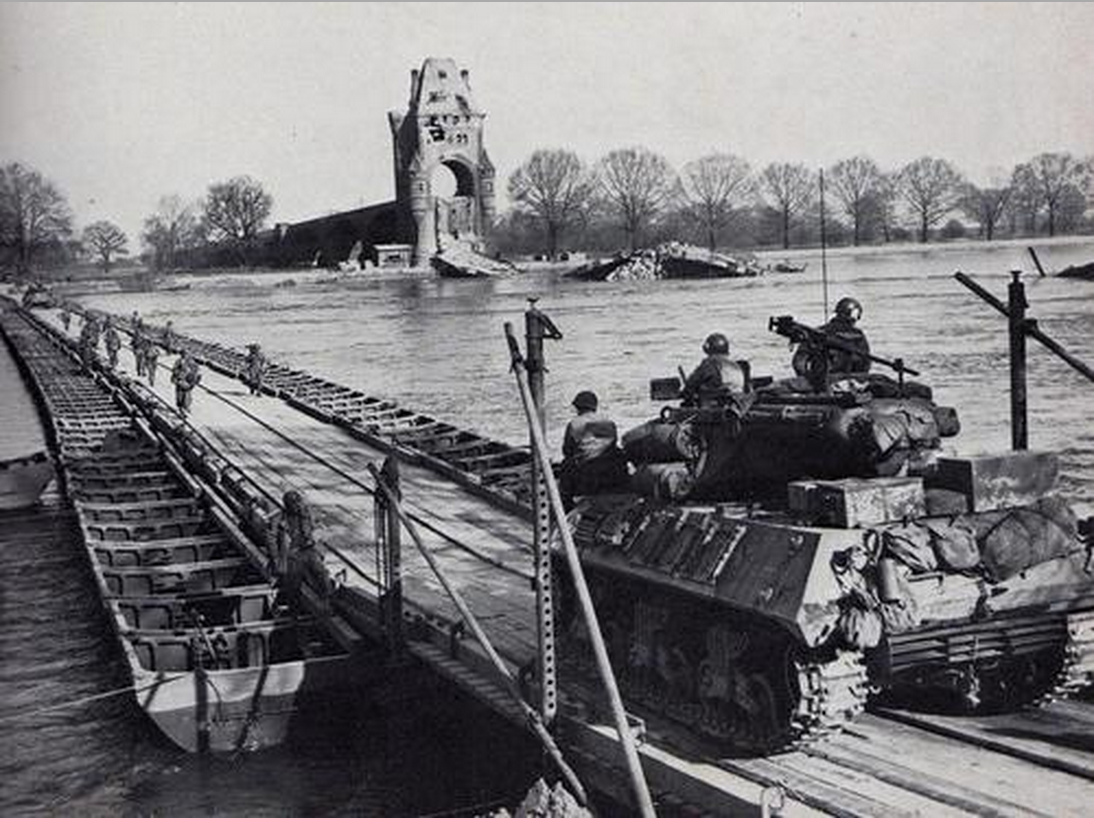
Pontoon bridges have a long history, dating back to ancient times! The Romans built floating bridges using logs and boats 🛶 to cross rivers. In 1814, during the Napoleonic Wars, the British built a famous pontoon bridge over the Thames River to help troops move quickly. In World War II, these bridges helped soldiers cross rivers and stay safe during battles. Today, we still use pontoon bridges in many places around the world, showing how clever ideas can last thousands of years! 🌟
There are some exciting pontoon bridges around the world! One famous example is the Pontoon Bridge over the River Ganges in India, used for thousands of years. In the United States, the Lyndon B. Johnson Memorial Bridge is a well-known permanent pontoon bridge 🌉 in Texas. During emergencies, countries like Canada often build temporary pontoon bridges to help in floods. Each of these bridges has its unique stories, making them special locations for travelers and people living nearby!


DIY is a creative community where kids draw, build, explore ideas, and share.
No credit card required