Polyhymnia Facts For Kids
Polyhymnia, alternatively Polymnia, is the Greek Muse of sacred poetry, hymns, dance, eloquence, agriculture, and pantomime.
Select reading age

Polyhymnia Facts For Kids
Videos & Quizzesincluded
About this topic
Polyhymnia is one of the nine Muses from Greek mythology! 🎶She is known as the Muse of sacred poetry, hymns, and eloquence. The Muses are like magical sisters who inspire creativity in various arts. Polyhymnia helps people express their feelings in special ways, especially through poetry and dance. 😃She is often shown wearing a beautiful robe and a thoughtful expression, reflecting how deep and serious her art can be. So, if you ever feel inspired to write a poem or dance, you might just be channeling Polyhymnia’s spirit! 🌟
Explore with ChatDinoKey Points
In art, Polyhymnia is depicted in different styles and periods!
Polyhymnia appears in many forms throughout history, including pottery, sculptures, and paintings!
The name "Polyhymnia" means "many hymns" in Greek!
In history, Polyhymnia is mentioned in ancient texts, including works by famous poets like Hesiod.
Polyhymnia is also connected to the art of rhetoric, which is all about speaking and writing well!
In Greek mythology, Polyhymnia has a special role!
Polyhymnia is usually depicted with specific symbols that represent her work!
Polyhymnia has greatly influenced literature and poetry throughout the ages!
Today, Polyhymnia is still celebrated through various forms of art!
Polyhymnia is just one of the nine Muses, and each Muse has her own special talent!
Photos of Polyhymnia

Polyhymnia on an antique fresco from Pompeii

Polyhymnia — photo 2

Polyhymnia — photo 3
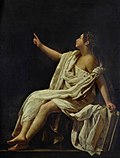
Polyhymnia — photo 4

Polyhymnia — photo 5

Polyhymnia — photo 6

🎨 Polyhymnia In Art
In art, Polyhymnia is depicted in different styles and periods! 🎨Artists from ancient Greece showed her as a graceful figure with a thoughtful look, often wearing a flowing robe. Renaissance artists valued her too, painting her surrounded by symbols of learning, such as books and instruments. Even today, you can find illustrations of her in storybooks about Greek mythology. 🏺Polyhymnia’s representation in art helps people understand her importance and reminds us of the beauty of poetry, music, and inspiration!
Go deeper🎭 Cultural Depictions
Polyhymnia appears in many forms throughout history, including pottery, sculptures, and paintings! 🎭Many artists in ancient Greece created special art to honor the Muses, including Polyhymnia. People would often gather at festivals to celebrate her and the other Muses. 🎉In modern times, she can be found in movies, books, and even video games that depict Greek mythology. Artists today continue to create works that are inspired by her, showing how big of an impact she has on our cultural legacy. 🌈
Go deeper🎵 Etymology And Meaning
The name "Polyhymnia" means "many hymns" in Greek! 🎵The prefix "poly-" means many, and "hymnia" relates to hymns or songs. This is fitting because she inspires people to create beautiful, sacred songs and poetry. The ancient Greeks thought her name perfectly described her role—she was a source of inspiration for religious and serious works. Sometimes her name is spelled "Polymnia," but they both refer to the same wonderful Muse! The Muses were super important to the Greeks, showing us how much they valued art and creativity. 🎨
Go deeper📖 Historical References
In history, Polyhymnia is mentioned in ancient texts, including works by famous poets like Hesiod. 📖He wrote about all the Muses in his book, "Theogony." The Greeks would call upon her during celebrations to inspire them to create beautiful songs and poems. 🎶Even the Romans admired her, as they adopted many Greek customs, including the reverence for the Muses! This shows how Polyhymnia has been a part of human culture for thousands of years, influencing art and creativity across different time periods. ⏳
Go deeper🗣️ Polyhymnia And Rhetoric
Polyhymnia is also connected to the art of rhetoric, which is all about speaking and writing well! 🗣️ In ancient Greece, good communication was important. People would often look to her for guidance in giving speeches or writing heartfelt messages. She inspires clear and beautiful expressions of ideas and emotions. 📜Her influence can be seen in many forms of writing, like essays and stories, showing how powerful words can be when they are well-crafted. 🖋️ Polyhymnia shows us that words can bring people closer together!
Go deeper🌌 Role In Greek Mythology
In Greek mythology, Polyhymnia has a special role! 🌌She is one of the nine Muses, daughters of Zeus and Mnemosyne. The Greeks believed that Muses helped artists, poets, and writers create their best work. Polyhymnia focuses on inspiring sacred hymns and poetry. This type of writing was important for worship and ceremonies. 🌺Sometimes, people would call upon her when they needed help expressing their feelings about religion or nature. So, whenever there's a beautiful poem or heartfelt song, it could be thanks to Polyhymnia’s influence! 💖
Go deeper🕊️ Symbolism And Attributes
Polyhymnia is usually depicted with specific symbols that represent her work! 🕊️ She is often shown holding a lyre (a stringed musical instrument) or a scroll, which represents poetry and written words. She may also be seen in a contemplative pose, signifying deep thought. Sometimes, she is accompanied by a dove, symbolizing peace and inspiration. Muses like Polyhymnia were believed to bring creativity and enlightenment to those who called upon them. ✨This is why she is often associated with sacred songs and eloquent speech!
Go deeper📖 Influence On Literature And Poetry
Polyhymnia has greatly influenced literature and poetry throughout the ages! 📖Her inspiration can be seen in works that focus on sacred themes, much like the famous poet Homer, who wrote the "Iliad" and the "Odyssey." Poets often call upon her spirit when writing about love, nature, or spirituality. 🌿Even now, writers pay tribute to her by invoking her name or themes in their works! Polyhymnia reminds us of the power of words and creativity to express our deepest feelings! 🖊️
Go deeper🎤 Polyhymnia In Modern Interpretations
Today, Polyhymnia is still celebrated through various forms of art! 🎤Musicians and poets often pay homage to her by creating sacred music or meaningful lyrics. In movies and TV shows about Greek mythology, Polyhymnia's character often inspires characters to create touching performances. 🎬She represents creativity that continues to inspire new generations. By sharing her story, people can learn about the importance of expressing emotions through art, which remains relevant in our lives today! 🌈
Go deeper🌟 Comparative Analysis With Other Muses
Polyhymnia is just one of the nine Muses, and each Muse has her own special talent! 🌟For example, Calliope is the Muse of epic poetry, while Clio is the Muse of history. While Polyhymnia focuses on sacred hymns and dance, other Muses inspire different types of art. 🍂Together, these Muses represent the many aspects of creativity and help illustrate the beauty of various crafts. They remind us that while each has her specific role, they all work together to inspire and uplift humanity! 🎉
Go deeper