Poliomyelitis Facts For Kids
Poliomyelitis, commonly called polio, is an infectious disease caused by the poliovirus that can lead to serious health issues, including paralysis.
Select reading age
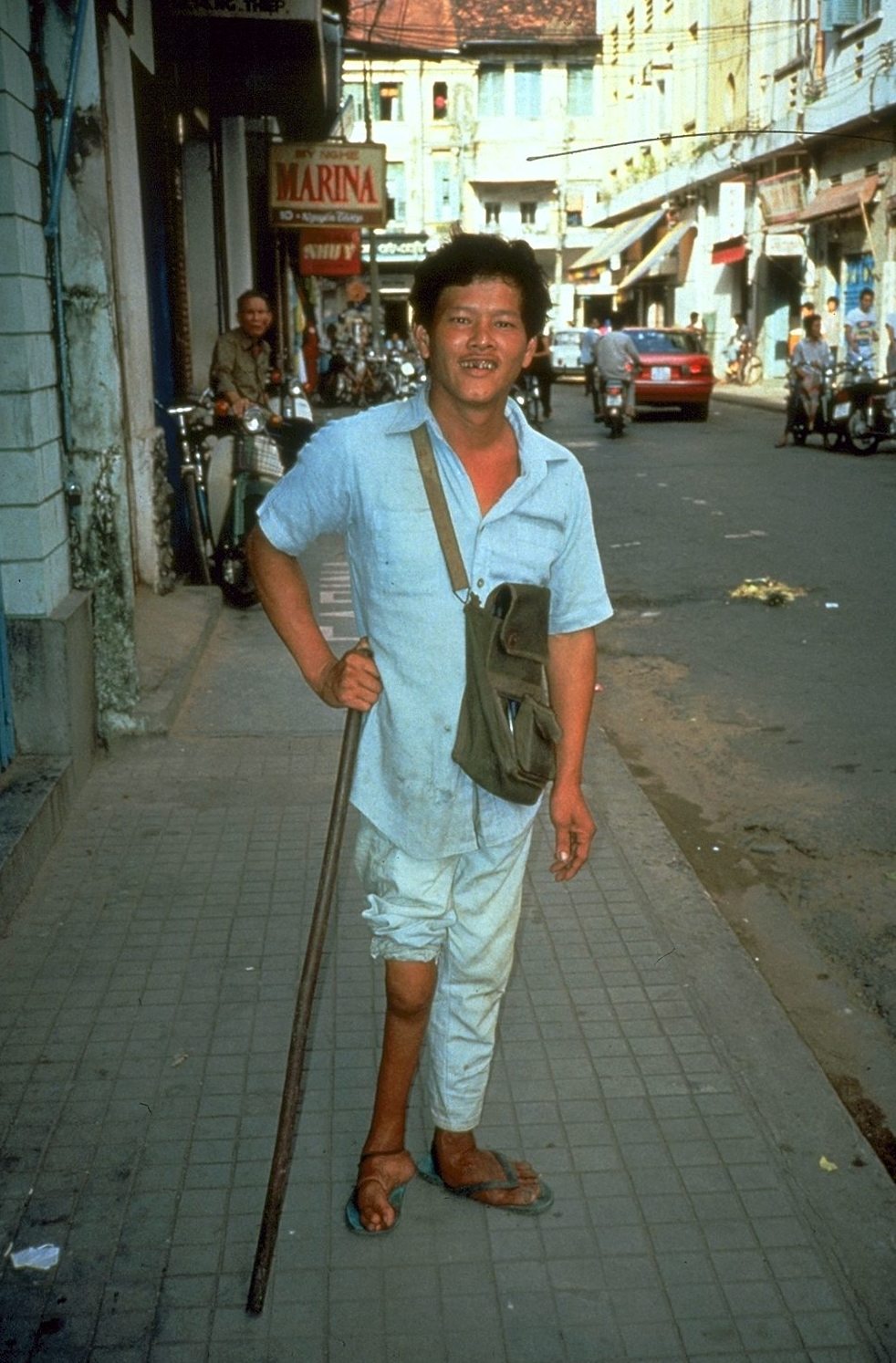
Poliomyelitis Facts For Kids
Videos & Quizzesincluded
About this topic
Poliomyelitis, often called polio, is an infectious disease caused by a virus named poliovirus. 🤒It mainly affects children under 5 years old but can impact anyone. Polio can cause paralysis, making it very difficult for a person to move their arms or legs. 🌍The disease was more common in the past, especially in places before vaccines were available. Nowadays, many countries have made great progress in stopping polio because of vaccinations! 💉Knowing about polio helps us understand how important it is to keep children safe and healthy.
Explore with ChatDinoKey Points
There are three types of poliovirus: Types 1, 2, and 3.
Most people infected with poliovirus don’t show any symptoms.
Polio is caused by a tiny germ called the poliovirus.
Polio has been around for thousands of years!
There are several myths about polio!
There is no specific cure for polio, but treatment helps manage symptoms.
Vaccination is one of the best ways to prevent polio!
Research about polio continues to evolve!
Some people who recover from polio may face long-term challenges, known as post-polio syndrome.
Since the introduction of vaccines, polio cases have dramatically decreased around the world!
Photos of Poliomyelitis

A transmission electron microscope micrograph of poliovirus

A photomicrograph of the lumbar spinal cord depicting an infarct due to Polio Type III surrounding the anterior spinal artery

Denervation of skeletal muscle tissue secondary to poliovirus infection can lead to paralysis.

The location of motor neurons in the anterior horn cells of the spinal column

The location and anatomy of the bulbar region (in orange)

A child receiving an oral polio vaccine

Wild polio and cVDPV cases (2000–2024).

A girl with genu recurvatum of her right leg due to polio

Orthosis with stance phase control knee joint
🦠 Types Of Poliovirus
There are three types of poliovirus: Types 1, 2, and 3. 🦠Each type can cause polio but they are slightly different from each other. Type 1 is the most common and often leads to paralytic polio. Type 2 has been eliminated in most places, thanks to vaccines! 🌍Type 3 still exists but is much rarer. It’s important for people, especially children, to get vaccinated against all types to protect everyone! 💉Getting immunized is our superhero action against possible outbreaks!
Go deeper🌡️ Symptoms And Diagnosis
Most people infected with poliovirus don’t show any symptoms. However, some may feel fever, sore throat, tiredness, and stomach pain. 🌡️ In more severe cases, the virus can attack the nervous system, leading to headaches and paralysis! If doctors suspect polio, they might run tests or check for the virus in poop samples. 🩺It’s really important to diagnose it early to make sure that everyone stays healthy. Doctors and hospitals do a great job to protect us from this disease!
Go deeper🦠 Causes And Transmission
Polio is caused by a tiny germ called the poliovirus. 🦠The virus spreads mainly through contact with the poop of an infected person, which can happen when people don’t wash their hands properly. 🤲It can also spread through contaminated food and water. When a person gets infected, the virus can multiply in their throat and intestines. The best way to stop the virus from spreading is to make sure everyone washes their hands and gets vaccinated. 🧼💦
Go deeper📜 History Of Poliomyelitis
Polio has been around for thousands of years! The oldest known case is from ancient Egypt, around 1400 BC, when the disease was found in art. 📜In the early 20th century, polio became common in the United States. The famous American President Franklin D. Roosevelt had polio, which helped raise awareness. In 1955, Dr. Jonas Salk created the first polio vaccine! 🎉This was a huge breakthrough. With vaccines, many countries worked together to eliminate polio. As of 2023, polio is no longer common in many parts of the world! 🌎
Go deeper❌ Myths And Misconceptions
There are several myths about polio! ❌One common myth is that polio only affects certain groups of people. In reality, polio can affect anyone, no matter their background. Another misconception is that the vaccine is unsafe. However, extensive research shows that vaccines are safe and effective! 💉It's important to share accurate information about polio, so people can understand how to protect themselves and others. Knowledge is our best defense against misinformation! 📚
Go deeper🩺 Treatment And Management
There is no specific cure for polio, but treatment helps manage symptoms. 🩺Doctors may suggest physical therapy to help strengthen weakened muscles and improve movement. For patients with paralysis, assistive devices, such as braces or wheelchairs, can assist with mobility. 💪Some patients might also need ventilation support to help them breathe. Caring for someone with polio can be challenging, but with supportive caregivers and healthcare providers, they can lead fulfilling lives! 💖
Go deeper💉 Prevention And Vaccination
Vaccination is one of the best ways to prevent polio! 💉There are two main types of vaccines: the inactivated polio vaccine (IPV), which is given through a shot, and the oral polio vaccine (OPV), which is a drops medicine taken by mouth. 💧Children usually receive these vaccines when they are 2, 4, 6-18 months, and 4-6 years old. With high vaccination rates, communities can protect each other and help prevent polio outbreaks! 🤝It’s super important to inform parents about vaccines and why they matter for health!
Go deeper🧐 Research And Future Directions
Research about polio continues to evolve! 🧐Scientists are working to improve vaccines and make sure they work against all types of the virus. There are also ongoing studies to help those affected by post-polio syndrome, looking for better treatments. 💊For the future, the goal is to ensure that polio is completely eradicated worldwide! 🌍By staying educated and aware of health practices, we can all contribute to creating a polio-free world. Together, we can make a difference! 💖
Go deeper🤔 Complications And Long-term Effects
Some people who recover from polio may face long-term challenges, known as post-polio syndrome. 🤔These can include muscle weakness, fatigue, and even pain many years after the infection. It can make daily activities harder. While most people recover well, others may need special care throughout their lives. It's important to support those affected and help them live healthier lives! 🌈Understanding these effects helps everyone to be kind and empathetic toward those facing challenges.
Go deeper🌍 Global Impact And Eradication Efforts
Since the introduction of vaccines, polio cases have dramatically decreased around the world! 🌍Organizations like the World Health Organization (WHO) and Rotary International have worked hard to eradicate polio since the late 20th century. 🌟In 1988, there were over 350,000 cases of polio each year; now there are only a few hundred. Many countries have been declared polio-free, and the goal is to wipe it out completely! With teamwork, we can create a polio-free future! 🤝
Go deeper