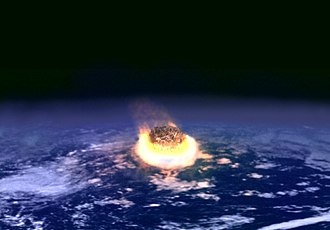
The Permian-Triassic extinction event, also known as 'The Great Dying', was the most severe extinction in Earth's history, resulting in the loss of around 90% of marine and 70% of terrestrial species about 251 million years ago.

Set reading age
View for Kids
Easy to read and understand
View for Students
Clear, detailed explanations
View for Scholars
Deep dives and big ideas
The Permian-Triassic Extinction Event, also called “The Great Dying,” happened around 251 million years ago! 🌍This event is famous because it wiped out about 90% of all marine life and 70% of terrestrial (land) species. It marked the end of the Permian Period and the start of the Triassic Period. During this time, the Earth was very different from today. Dinosaurs hadn’t appeared yet, and life on Earth was just starting to explore all kinds of cool creatures! 🦕Scientists study this event to understand how life can bounce back after big disasters.
Scientists look at rocks and fossils to learn about the Permian-Triassic Extinction. 🔍Fossils found in places like South China and Russia show big changes in life before, during, and after the extinction event. Layers of volcanic ash show evidence of those massive eruptions! 🏞️ Additionally, scientists study the size of the grains in sediment. Tiny changes in these can tell us about the oceans' chemistry and climate. All these findings help us piece together what happened during this mysterious time in Earth’s history!
The oceans were greatly affected during the Permian-Triassic Extinction. 🌊Around 90% of marine species vanished! Creatures like trilobites and reef-building corals could not survive the changing conditions. Sea levels dropped, and oceans became warmer, creating a harsh environment. Fish also struggled as oxygen levels went down in the water. 🐟However, a few hardy species survived! Animals like sharks adapted and lived on, helping the oceans slowly recover in the millions of years that followed. This drastic change reminds us of the importance of healthy oceans!
Scientists have different ideas about the exact causes of the Great Dying. One theory points to volcanic eruptions causing climate change. 🌋Another suggests that meteorite impacts may have played a role! Some believe that changes in ocean currents harmed marine life as well. 🐚Each hypothesis helps researchers understand Earth's complex history. They piece together evidence from fossils and rocks to support their ideas, leading to exciting discoveries about our past and different pathways life can take.
On land, life faced a tough battle too! 🌿Approximately 70% of terrestrial species, including many plants and animals, disappeared! Reptiles like mammal-like reptiles were hit hard, while the giant amphibians delighted in their habitats. 🌲As forests faltered, new land forms started to appear, creating cool opportunities for life to adapt. Some animals made it through, becoming better prepared for the world that followed. These survivors eventually laid the groundwork for the rise of dinosaurs and large mammals much later!
Climate change had a big role in the Permian-Triassic Extinction. 🌡️ Scientists think that volcanic eruptions released gases like carbon dioxide, making the Earth warmer quickly. This led to extreme weather patterns, such as heavy rainfall in some places and severe droughts in others. 🌦️ The weather changes made it tricky for many plants to grow, impacting those who depended on them for food! The warming oceans also lost oxygen, harming marine life. This highlights how connected climate changes can impact all forms of life on our planet!
The Permian-Triassic Extinction holds a special place in Earth’s history. 🌌It teaches us the importance of biodiversity and ecosystem balance. The event reminds us that even the most dominant species can vanish! Understanding this helps scientists work hard to protect wildlife today. We can learn from the past, emphasizing conserving habitats and limiting climate change to preserve life on Earth. 🌱The lessons from this extinction event play a vital role in how we care for our planet!
The Permian-Triassic Extinction is the biggest of the five mass extinctions in Earth's history. 🌏The next famous one happened about 66 million years ago when an asteroid hit Earth, leading to the demise of the dinosaurs! 🦖Compared to other extinction events like the Ordovician and Late Devonian, which affected fewer species, the Permian-Triassic was on a grander scale. Each mass extinction reshapes life, making way for new species to take over. It's interesting to learn how these events change our planet forever!
Studying past extinction events like the Permian-Triassic helps us understand what might happen today. 📉Human activities—pollution, deforestation, and climate change—threaten many species. It's important to recognize these signs and take action before it's too late! 🌍Scientists warn us that we could be entering a new extinction period now. By learning from history, we can make better choices for our environment, ensuring future generations enjoy a diverse and vibrant planet full of life! 🌺Let's protect our wonderful world together!
The Great Dying had several causes that scientists believe triggered it. One major reason was enormous volcanic eruptions in a place called Siberia! 🌋These eruptions released gases that warmed the Earth. Additionally, changes in ocean chemistry made waters less friendly for sea life. 🐠Another factor was the shifting continents, creating more land and affecting climate. These changes led to extreme weather and made life super hard for many species. All of these events together caused the biggest extinction in history!
After the Permian-Triassic Extinction, it took millions of years for life to recover. 🌱Slowly, new species emerged and filled the empty niches left behind! Small reptiles, early dinosaurs, and even tiny mammals began to flourish. 🌞Remarkably, this period of recovery saw more biodiversity than ever before! Different types of plants and animals evolved, creating a variety of ecosystems. Scientists marvel at how resilient life can be, overcoming challenges and leading to a rich variety of species we see today!


DIY is a creative community where kids draw, build, explore ideas, and share.
No credit card required