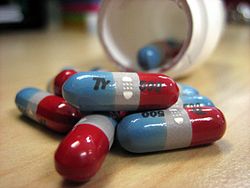
Paracetamol, or acetaminophen, is a non-opioid analgesic and antipyretic agent used to treat fever and mild to moderate pain.

Set reading age
View for Kids
Easy to read and understand
View for Students
Clear, detailed explanations
View for Scholars
Deep dives and big ideas
Paracetamol, also known as acetaminophen, is a medicine that helps when you’re feeling unwell 😷. People use it to relieve pain like headaches, toothaches, and muscle aches. It’s also great for lowering fevers 🥵. It comes in forms like tablets, liquid medicine, or even chewy gummies! Paracetamol works quietly in your body, making you feel better without making you super sleepy. It’s safe for most people, including kids, when taken correctly. But always remember, it’s important to follow the instructions carefully 📋 to stay safe!
Paracetamol has a special chemical structure. It is made up of carbon (C), hydrogen (H), nitrogen (N), and oxygen (O) atoms 🔬. Its chemical formula is C8H9NO2. This means for every molecule of paracetamol, there are 8 carbon atoms, 9 hydrogen atoms, 1 nitrogen atom, and 2 oxygen atoms. These atoms are arranged in a specific way, forming something called a “ring,” which is important for how the medicine works. Scientists use a drawing called a structural formula to show how these atoms connect together. Isn’t chemistry exciting? 🎉
Paracetamol works like a superhero for your body! 🦸♂️ When you take it, it travels into your bloodstream and goes to your brain. There, it helps block signals that tell you when you’re in pain or when you have a fever 🔥. It changes how your brain understands pain, so you feel less uncomfortable. It also helps cool down your body if you have a fever. It’s like turning down the heat on a stove! Just remember, it doesn’t work the same way as all pain medicines; it has its unique powers! ⚡️
Paracetamol, like many medicines, can affect our environment 🌳. When people excrete it or dispose of it improperly, it can enter rivers and oceans, which may harm fish and plants. Researchers are studying how this happens and how to keep our waterways clean. Schools and communities encourage responsible disposal methods, so unused medicines are taken to special collection sites instead of being thrown in the trash. By being responsible, we can help protect nature while also fighting against pain and fever! 🌊💚
Doctors recommend paracetamol for a few reasons. It’s great for treating mild to moderate pain, such as headaches, toothaches, and muscle strains 💪. It is also used to help lower fevers—those pesky hot temperatures that sometimes make us feel ill 🥵. Paracetamol is often given to children because it's gentle and usually safe when used correctly. However, if someone has severe pain or some special health issues, doctors might suggest other treatments. Always check with a grown-up or a doctor if you need it! 👩⚕️
While paracetamol is helpful, it can have some side effects if not taken properly 🚫. Some kids might feel sick to their stomachs or get a rash if they are allergic. Taking too much can be very dangerous and can damage your liver, an important part of the body that helps keep us healthy. That's why it’s super important to follow the directions on the box or the advice from a doctor! If you notice anything unusual after taking it, tell an adult right away! 🚨
Paracetamol has an interesting history! It was first discovered in the late 19th century by scientists who were looking for ways to reduce pain and fever. In 1955, it became available for use in the United States 🇺🇸. Since then, it has become a go-to medicine for many people, especially because it doesn’t make you sleepy like some other pain relievers. Thank you to all the scientists who helped create this helpful medicine! It shows us how science can make our lives better! 🧪
It’s super important to take the right amount of paracetamol! 🤓For kids, the dose usually depends on their weight and age. For example, young kids might take a specific amount of liquid, while older children may take tablets. Parents often use measuring spoons or syringes to ensure they measure accurately 🥄. Never take more than what's recommended, as it could be dangerous! If unsure, always ask an adult or a doctor for help to get it just right! Safety first! 🚦
Scientists are always researching to understand how to make paracetamol even better 😉! Some studies look at how it works in different people, while others explore new ways to use it. Researchers also study how it affects your body over a long time, which helps to make sure it stays safe. With technology growing, they are finding clever new methods to help improve how pain and fever are treated, ensuring kids and adults alike stay healthy. Who knows what exciting discoveries await us? 🌟
Just like a dance, medicines need to be in harmony when taken together! 💃Paracetamol can sometimes interact with other medications, which may change how well they work. For example, some medicines for epilepsy or tuberculosis can affect paracetamol’s effectiveness. It’s essential to let your doctor know about all the medications and vitamins you are taking, so they can help you avoid any dance mishaps! If a medicine mix-up happens, don’t worry—just inform a grown-up and they can get the right advice! 📞
Paracetamol is a friend to many! It’s safe for kids, adults, and even pregnant women when used correctly 👶. However, the way people use it can change based on age, weight, and health. Some babies might need special doses, while adults must keep watches on their intake because of liver health. Different countries have unique guidelines, so doctors always check local rules before suggesting it. No matter where you are, a careful approach helps everyone stay healthy and happy! 🌍


DIY is a creative community where kids draw, build, explore ideas, and share.
No credit card required