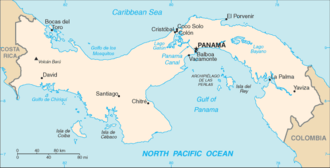
The Panama Canal is an incredible 82-kilometer artificial waterway in Panama, connecting the Caribbean Sea to the Pacific Ocean.
Set reading age
View for Kids
Easy to read and understand
View for Students
Clear, detailed explanations
View for Scholars
Deep dives and big ideas
The Panama Canal is a remarkable human-made waterway located in Panama! 🌎It stretches for 82 kilometers (51 miles) and connects the Caribbean Sea to the Pacific Ocean. This allows ships to travel between the two oceans without having to go all the way around South America. Imagine saving time on a huge adventure! 🚢The canal was first opened in 1914 and has since helped millions of boats carry goods and people. It's an important piece of infrastructure, showcasing the power of engineering while playing a crucial role in global trade! 🌟
The Panama Canal has left a lasting mark on culture! 🌍It connects diverse communities and encourages cultural exchange. People from different countries visit, bringing their traditions and customs, which enriches Panama's culture! 🎉Artists and musicians often use the canal as a theme in their work. The canal even shaped Panamanian cuisine, which blends various influences. Fun festivals, like the Panama Canal Day, celebrate its construction, history, and importance. 🎊The canal shows how people can work together, making it a symbol of cooperation across cultures! 🤝
The Panama Canal is super important for the economy! 💰It allows ships from all around the world to transport goods quickly and efficiently. Annually, about 14,000 ships use the canal, carrying products like electronics, food, and clothing! This saves time and money because ships don't have to sail around South America, which can take weeks! 🌍The canal also provides jobs for thousands of people in Panama, making it a major contributor to the country's economy. In fact, the canal generates about $2 billion every year! 💵
The Panama Canal is not just an engineering marvel; it's also important politically! 🏛️ When the canal was built, it changed Panama's relationships with other countries, especially the United States. The U.S. ruled the canal until 1999, when Panama took control. This was a big moment in Panama's history! 🇵🇦 Now, the canal is a source of pride for Panamanians, symbolizing their independence and ability to manage their own resources. It continues to play a role in diplomacy between nations, highlighting how important it is in global trade! 🌐
The Panama Canal is a busy place that needs lots of care! 🏗️ It is operated by the Panama Canal Authority, which makes sure everything runs smoothly. ✅Regular maintenance is essential to keep the locks and channels clear of mud and debris. Huge machines are used to clean and repair, and workers are always on-site to monitor operations! Each ship pays a toll based on its size, and these fees help fund the canal’s upkeep. 🚢The canal has to be carefully watched to ensure the safety of all the ships that pass through! 🌊
The history of the Panama Canal is quite fascinating! 🚀The idea of building it started in the early 1500s, but it took hundreds of years to make it happen. The French began building the canal in the 1880s but had to stop because of disease and other problems. In 1904, the United States took over the project and finished it in 1914. 🎉On August 15, 1914, the first ship, the SS Ancon, sailed through. Since then, the canal has changed the way goods travel across the world! 🥳
The Panama Canal has faced several challenges and controversies over the years! 😟One big issue is environmental impacts, like deforestation and pollution from ships, which affect local wildlife. Some people worry about the future of Panama’s ecosystems. 🌳Additionally, managing ship traffic can be difficult, as larger ships now require more space. The expansion of the canal took place in 2016 to accommodate these bigger vessels, but that also stirred debate over costs and resources. 💰The canal teaches us the importance of balancing progress with protecting our planet! 🌏
Building the Panama Canal was a huge challenge! 🛠️ Engineers moved 88 million cubic meters of earth, enough to fill 36,000 swimming pools! The canal uses locks, which are like big elevators for boats. 🚢When a ship enters a lock, water rises or falls to raise or lower it to the next level. The water from Lake Gatun allows ships to cross the isthmus, which is the narrow land that connects North and South America. This incredible feat of engineering took 10 years and many hardworking people to complete! 💪
Visiting the Panama Canal is a thrilling adventure! 🛳️ Tourists can see massive ships passing through the locks, which is an amazing sight! At the Miraflores Locks Visitor Center, you can learn about the canal's history through exhibits and films. 🎥There are also observation decks where you can watch the ships in action! Some visitors even take boat tours to experience the canal up close! ☀️ People love exploring nearby areas, like the beautiful rainforests and Indigenous communities, making it a perfect blend of nature and history! 🌿
The Panama Canal is surrounded by beautiful nature! 🌳It cuts through the Isthmus of Panama and connects the Atlantic and Pacific Oceans. The canal passes through the tropical rainforests of Panama, where you can find many plants, animals, and even the endangered golden frog! 🐸Building the canal changed the environment. It created Lake Gatun, a large artificial lake, which is home to various wildlife. However, the canal's construction also affected the area's ecosystems, leading to conversations about protecting nature. 🌿


DIY is a creative community where kids draw, build, explore ideas, and share.
No credit card required