Pacific Halibut Facts For Kids
Pacific halibut is a large flatfish species native to the North Pacific Ocean, celebrated for its culinary value and impressive size.
Select reading age
Pacific Halibut Facts For Kids
Videos & Quizzesincluded
About this topic
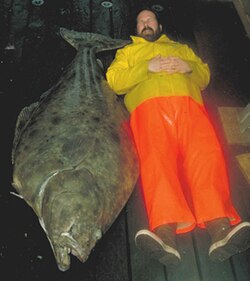
The Pacific halibut is a flat fish that swims in the cold waters of the North Pacific Ocean, particularly around Canada and Alaska 🇨🇦🇺🇸. It has a unique body shape, with both eyes on one side, allowing it to blend in with the ocean floor! 🎣This fish can grow very large, sometimes weighing up to 500 pounds (227 kg) and can be as long as 8 feet (2.4 meters)! Pacific halibut are popular targets for fishing because of their tasty white meat and are an important part of the local fishing industry. Let's dive deeper into understanding this fascinating fish!
Explore with ChatDinoKey Points
Pacific halibut has a flat body, which helps it stay hidden from predators.
Pacific halibut mostly live in the deep, icy waters of the North Pacific Ocean.
Pacific halibut have a very interesting life cycle!
To keep Pacific halibut populations healthy, conservation efforts are very important!
Fishing for Pacific halibut is an exciting adventure!
The Pacific halibut fishery is essential for the economy in many coastal communities.
Pacific halibut is not only fun to catch, but it is also delicious to eat!
Pacific halibut holds special significance in the cultures of coastal Native American tribes, especially in Alaska.
Photos of Pacific Halibut
Pacific Halibut — photo 1

Pacific Halibut — photo 2

Pacific Halibut — photo 3

Pacific Halibut — photo 4

Pacific Halibut — photo 5

Pacific Halibut — photo 6

hot-smoked Pacific Halibut on smoker racks, smoked with a blend of mesquite and alder woods
🌊 Biology And Anatomy
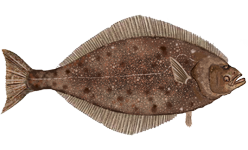
Pacific halibut has a flat body, which helps it stay hidden from predators. Its color can change to blend in with the ocean floor, making it harder for other animals to spot it! 🌊The upper side is usually a dark brown, while the bottom is white. Pacific halibut have large mouths filled with sharp teeth that they use to catch smaller fish. They are known for having a strong and powerful swimming style. These fish also have a highly-developed lateral line, which detects vibrations in the water, helping them find food and avoid danger. 🐟
Go deeper🌊 Habitat And Distribution
Pacific halibut mostly live in the deep, icy waters of the North Pacific Ocean. They can be found from the Chukchi Sea in Alaska down to central California. 🌊These fish prefer areas with sandy or muddy bottoms, where they can hide from both predators and fishermen. They spend their time at depths ranging from 100 to 1,200 feet (30 to 360 meters). During the spawning season, which happens in spring, they migrate to shallower waters to lay their eggs. This makes it easier for baby halibuts to start their lives! 👶🐟
Go deeper🌊 Life Cycle And Reproduction
Pacific halibut have a very interesting life cycle! The female lays thousands of eggs in the spring, and these eggs float on the ocean surface 🌊. After about 10 days, the eggs hatch into tiny larvae! During the first few months, they swim near the surface before eventually sinking to the bottom as they grow. Their eyes will migrate to one side of their bodies as they develop, allowing them to become the flat fish we know 🍽️. Halibuts can live for about 20-30 years, with females generally growing larger than males. Reproduction begins when they reach around 5-6 years of age!
Go deeper🛟 Conservation Status And Efforts
To keep Pacific halibut populations healthy, conservation efforts are very important! 🛟Overfishing can harm their numbers, so many countries, like the United States and Canada, have set regulations on fishing limits to protect them. Research organizations study halibut, helping to monitor their populations and ensure sustainable fishing practices. Fishing seasons and quotas are important rules that contribute to the success of these efforts. By working together, scientists and fishermen can help ensure that Pacific halibut continue to thrive for future generations! 🌊
Go deeper⚓ Fishing Techniques And Industry
Fishing for Pacific halibut is an exciting adventure! ⚓There are different techniques used to catch them, including longlining and jigging. Longlining involves setting long lines with baited hooks to catch halibuts. Jigging is when fishermen drop heavy lures to the ocean floor, mimicking the movement of smaller fish. Fishermen mainly target halibut during spring and summer months when they're easier to find. Because they're a popular fish, many people enjoy fishing for them, contributing to a big fishing industry in North America! 🌍
Go deeper🌊 Economic Impact And Market Trends
The Pacific halibut fishery is essential for the economy in many coastal communities. 🌊In 2021, the U.S. halibut fishery was valued at over $25 million! Many businesses rely on fishing, processing, and selling halibut, which creates jobs and supports families. As more people love eating this healthy fish, the demand for Pacific halibut has increased. However, it's crucial to balance fishing with conservation efforts to protect halibut populations, ensuring that future generations can enjoy this tasty fish as well. Sustainability is key for a healthy economy! ⚖️
Go deeper🍽️ Culinary Uses And Nutritional Value
Pacific halibut is not only fun to catch, but it is also delicious to eat! 🍽️ The meat is white, flaky, and mild in flavor, making it a favorite in many dishes. People often grill, bake, or fry halibut. It's also packed with nutrients! 🌱It's full of protein, omega-3 fatty acids, and vitamins B6 and B12. These nutrients help keep our hearts healthy and give us energy! Many restaurants serve halibut during special occasions, making it a popular choice for family dinners and special meals. Who wouldn't want to enjoy such a yummy fish?
Go deeper🌍 Cultural Significance And Traditions
Pacific halibut holds special significance in the cultures of coastal Native American tribes, especially in Alaska. 🌍Indigenous people have been fishing for halibut for thousands of years, as it plays a vital role in their food and traditions. Many communities celebrate the halibut by hosting festivals and events, sharing stories, songs, and delicious dishes made from halibut! Notably, the "Halibut Derby" is a popular fishing contest in towns like Homer, Alaska, where fishermen compete for prizes for the biggest catch. This fish brings people together in fun ways! 🐟🎉
Go deeper