Oïl Facts For Kids
Oïl languages are a group of dialects spoken mainly in northern France, southern Belgium, and the Channel Islands, sharing a rich history and vibrant cultural significance.
Select reading age
Oïl Facts For Kids
Videos & Quizzesincluded
About this topic
Oïl languages are a group of dialects, or ways of speaking, found mainly in northern France, southern Belgium, and the Channel Islands. 🌍Instead of using just one language, people in these areas speak many different versions of Oïl languages! The best-known of these is French, which is like the “big brother” of all the Oïl languages. They share many words and rules, but each has its special twists, just like families have unique traditions! 🎉It’s exciting to learn about how people communicate in different ways using Oïl languages!
Explore with ChatDinoKey Points
Over many centuries, Oïl languages have changed quite a bit!
Many communities are working hard to keep Oïl languages alive!
Oïl languages are mainly spoken in certain regions.
The name "Oïl" comes from the old French word for "yes," which was "oïl."
Oïl languages have interesting features!
Oïl languages carry the culture and history of the people who speak them!
Today, Oïl languages face some challenges.
Many traditional stories and poems are written in Oïl languages!
There are many dialects in the Oïl family, each with its special flair!
Oïl languages are part of the Romance languages family, just like Spanish and Italian!
Photos of Oïl

The area of langues d'oïl can be seen in shades of green and yellow

The Oïl languages have literary traditions, as for example seen in this 19th-century collection of Jèrriais short stories

Bilingual street sign for market square in French and Walloon

Signage in Gallo in the metro of Rennes
📅 Historical Development
Over many centuries, Oïl languages have changed quite a bit! 📅From the 9th century to today, they have been influenced by wars, trade, and migrations. For example, during the medieval period, the Norman Conquest in 1066 brought Oïl words into English! 🇬🇧 Oïl languages had to adapt and grow, creating a rich tapestry of words. Now, they continue to evolve as new generations speak them in new ways, blending traditions with modern influences. Isn’t it fascinating how stories are woven into languages? 🧵
Go deeper🎉 Revitalization Efforts
Many communities are working hard to keep Oïl languages alive! 🎉Schools are teaching these dialects, and local events celebrate their unique cultures. For example, festivals often feature traditional songs and games in Oïl. 📅Organizations also work to document and promote the languages, sharing their importance with everyone! It’s exciting to see people rediscovering and enjoying their local dialects, helping Oïl languages survive for years to come! Isn’t it wonderful when people come together to celebrate their history? 🎊
Go deeper🌍 Geographic Distribution
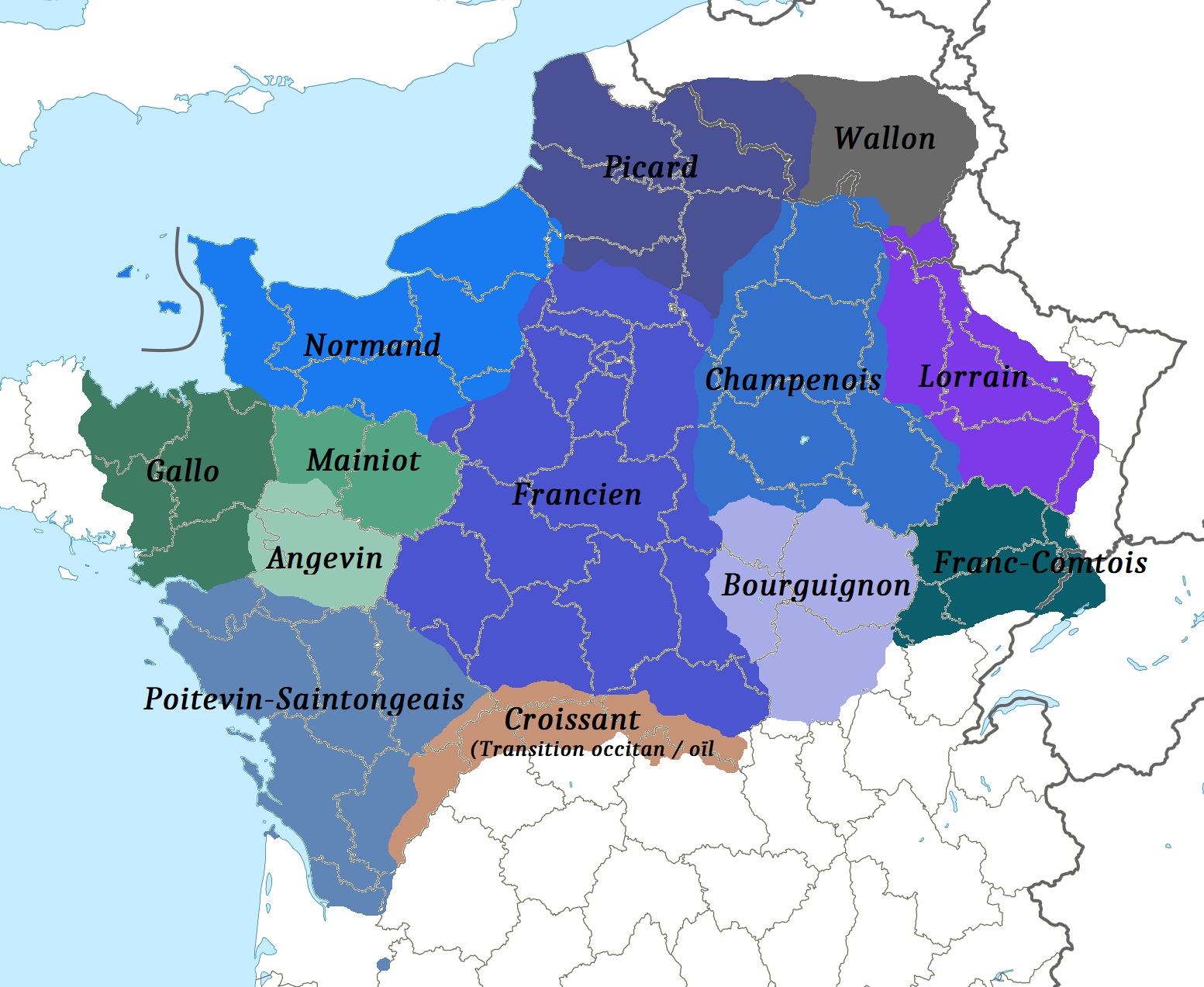
Oïl languages are mainly spoken in certain regions. 🌍You can find them in the northern half of France, like in cities such as Lille and Rouen. In Belgium, they are spoken in the Walloon region. The Channel Islands, which include Jersey and Guernsey, also have their own Oïl languages! 🏝️ While people in these areas mainly speak French today, many still cherish their unique Oïl dialects. Understanding where these languages come from helps us appreciate their beauty!
Go deeper😄 Origins Of Oïl Languages
The name "Oïl" comes from the old French word for "yes," which was "oïl." 😄 The Oïl languages started developing around the 9th century A.D., when different tribes and communities settled in Northern France. Over time, they began creating their own local versions of speech. Each region added its own flair, making the languages diverse! 🎨Some people spoke it as their first language, while others used it to trade with neighbors. Isn’t it cool how these languages came from such a rich history? 📜
Go deeper🎈 Linguistic Features Of Oïl
Oïl languages have interesting features! 🎈One of the coolest things is the different ways people greet each other. For instance, in Picard, a dialect from northern France, you might hear "Bonjour" (hello) pronounced differently! Each Oïl dialect has its unique sounds, accents, and even vocabulary. 😃Some words may sound similar to English, like "cheval" (horse)! With such a variety of expressions, Oïl languages can be like a treasure chest of words! 💎
Go deeper🎭 Cultural Significance Of Oïl
Oïl languages carry the culture and history of the people who speak them! 🎭Through songs, stories, and traditions, these languages help people connect with their roots and express their emotions. Festivals often include songs and poetry in Oïl, showcasing the beauty of their dialects. 🥳For example, the Chansons de geste are epic tales told in Oïl, celebrating brave heroes! Recognizing this importance can help us appreciate cultural diversity and the beautiful bonds we share! 🌈
Go deeper🌍 Current Status And Challenges
Today, Oïl languages face some challenges. 🌍Most people in these regions speak standard French, and fewer children learn their local dialects. It’s important to keep these unique languages alive! 📉This can be tough, but many are trying to keep the spirit of Oïl languages thriving! Classroom lessons, local celebrations, and community events help keep the dialects strong. 📚The love and pride in speaking these languages can help pass them on to future generations!
Go deeper📖 Literature And Oïl Languages
Many traditional stories and poems are written in Oïl languages! 📖One famous composer, Philippe de Beaumanoir, wrote beautiful romantic poems in Oïl. These stories passed down tales from generation to generation, preserving local legends. Kids still love to hear and read these stories, keeping the Oïl spirit alive! 🐻The literature of Oïl languages showcases characters and adventures of its people, telling about their lives! Reading helps us understand their world better.
Go deeper🗣️ Dialects Within The Oïl Continuum
There are many dialects in the Oïl family, each with its special flair! 🗣️ Some well-known dialects include Picard, Norman, and Walloon. Picard is mostly spoken in Picardy, while Norman is found in Normandy! 🌄In each region, you find fun words and pronunciation! For example, people from one dialect might say "cat" differently than those from another dialect. This makes Oïl languages exciting because it’s like having many cozy little families speaking slightly different but connected languages! ❤️
Go deeper🌟 Comparison With Other Romance Languages
Oïl languages are part of the Romance languages family, just like Spanish and Italian! 🇪🇸🇮🇹 All these languages share roots from Latin, which was spoken by the Romans long ago. While they have many similarities in grammar and vocabulary, each language has its unique flair. For example, while "thank you" is "merci" in French, it's "gracias" in Spanish! 🌟Exploring these similarities helps us see how languages evolve and change over time, becoming wonderful words that people express themselves with. 📖
Go deeper