Ovis Facts For Kids
Ovis is a genus of mammals that includes domestic sheep and various wild species, known for their woolly coats and social behavior.
Select reading age
Ovis Facts For Kids
Videos & Quizzesincluded
About this topic
Ovis is a fun name that means “sheep”! 🐑These animals are part of the Bovidae family, which includes animals like goats and antelopes. Ovis includes several types of sheep, such as the domestic sheep you see on farms and the wild sheep, like bighorn sheep. There are about 5 species of Ovis worldwide. These animals are known for their incredible wool, strong bodies, and horns. Sheep are gentle creatures that live in groups called flocks. They are very social and love to stay close to their buddies!
Explore with ChatDinoKey Points
Did you know sheep can recognize each other’s faces?
Some species of Ovis are in trouble!
Sheep have a special place in many cultures!
Did you know sheep are herbivores?
Ovis sheep can be found all over the world!
Sheep have some interesting physical traits!
Sheep generally have a fun life cycle!
Ovis is classified within the Bovidae family, which is really cool!
Sheep love to live in groups called flocks.
Photos of Ovis


Ovis — photo 3

Ovis — photo 4

Ovis — photo 5


Ovis — photo 7

🐑 Interesting Facts
Did you know sheep can recognize each other’s faces? 🐑They can remember up to 50 sheep faces for years! And they have excellent hearing, which helps them hear predators from far away. The heaviest sheep recorded weighed 350 pounds! That’s as much as a small child! 🐾Sheep also have a fantastic sense of smell, helping them find food and detect danger. Some sheep can jump as high as 4 feet! This skill helps them escape predators and navigate their rocky mountain homes. They truly are amazing animals!
Go deeper🌍 Conservation Status
Some species of Ovis are in trouble! 🌍The IUCN (International Union for Conservation of Nature) tracks these animals to help protect them. While domestic sheep are very common, wild sheep like the Arabian or Barbary sheep are considered vulnerable or endangered due to loss of habitat and hunting. Organizations work hard to protect wild sheep habitats and educate people about their importance in nature. It’s crucial to help save these amazing animals so that future generations can enjoy them!
Go deeper🎉 Cultural Significance
Sheep have a special place in many cultures! 🎉In history, people used sheep for their wool, meat, and milk. They are often featured in stories and fairy tales, like "Little Bo Peep." Many cultures celebrate sheep with festivals and artwork. For example, in New Zealand, sheep farming is very important. Some places even have sheep dog trials to show how well trained the dogs are. 🌿In the Middle East, sheep are central to important celebrations like Eid al-Adha, where families share meals together, showcasing the sheep's cultural importance.
Go deeper🌱 Diet And Feeding Habits
Did you know sheep are herbivores? 🌱This means they eat only plants! They love to munch on grass, leaves, and even clover. Shearing sheep helps get their wool, but their wool grows back every year! They have a special way of eating: they use their tasty tongues to grab plants and use their big molars to chew. Sheep can spend a lot of time eating each day. They have a special stomach system that allows them to digest their food very well, helping them stay healthy and strong.
Go deeper🌍 Habitat And Distribution
Ovis sheep can be found all over the world! 🌍Domestic sheep (Ovis aries) live on farms in many countries, including the USA, Australia, and New Zealand. Wild sheep, like the bighorn sheep, live in North America, especially in the Rocky Mountains. Dall sheep can be found in the northern regions of Canada and Alaska. Sheep love grassy areas but can adapt to rocky or hilly environments as well. They often roam in areas where they can find lots of grass to eat and shelter to stay safe from predators.
Go deeper❄️ Physical Characteristics
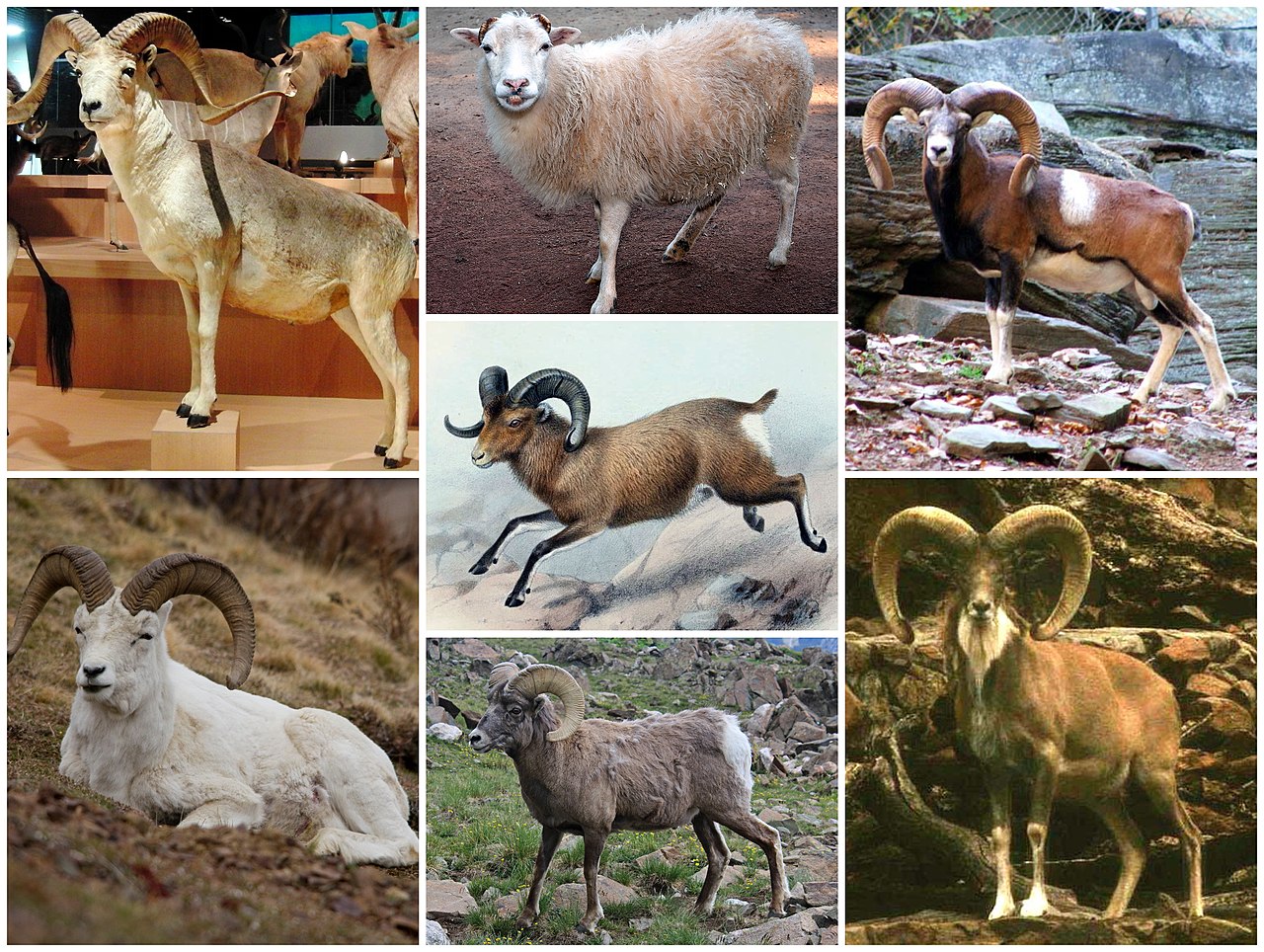
Sheep have some interesting physical traits! They usually have thick wool coats that help keep them warm. ❄️ The color of their wool can vary: some are white, brown, or even black! Their bodies are sturdy, with strong legs for running on rocky terrains. Wild sheep often have big curved horns, especially the males, called rams. These horns can grow quite large! One famous example is the Dall sheep, which has beautiful white fur and impressive curved horns, making it look majestic in the cold mountains.
Go deeper🌼 Reproduction And Life Cycle
Sheep generally have a fun life cycle! 🌼Female sheep (ewes) can have babies called lambs. Most of the time, one or two lambs are born at a time, usually in spring when there’s plenty of grass. Lambs are super cute and can walk shortly after they are born. They drink their mother’s milk for the first few months. After about 6-12 months, lambs grow up and become adult sheep. They can live for about 10-12 years, with some living even longer if they are taken care of well!
Go deeper🐏 Taxonomy And Classification
Ovis is classified within the Bovidae family, which is really cool! The scientific name for a sheep is Ovis aries if it’s domestic. 🐏Wild sheep like the bighorn sheep are called Ovis canadensis. The entire Ovis genus is part of the Caprinae subfamily, which includes other fascinating animals. Taxonomists are people who study how living things are classified in groups. They help us understand the differences between each species of sheep, including their unique traits and abilities!
Go deeper🐇 Behavior And Social Structure
Sheep love to live in groups called flocks. 🐇They feel safer when they’re together because there’s strength in numbers! The leader of the flock is usually the strongest female, called a ewe. Ewes and rams recognize each other by their unique bleats! When they are happy or comfortable, they might also wag their tails. Sheep communicate through sounds, body language, and even smells! If one sheep feels scared, the whole flock might follow it to safety, showing just how important teamwork is to them.
Go deeper