Otomi Facts For Kids
Otomi is an indigenous language from the Oto-Manguean family, primarily spoken in central Mexico, with various dialects and a rich cultural heritage.
Select reading age

Otomi Facts For Kids
Videos & Quizzesincluded
About this topic
The Otomi language is spoken by the Otomi people of Mexico, mainly in the central region, including the states of Mexico, Hidalgo, Querétaro, and Veracruz. 🗺️ There are about 300,000 people who speak Otomi! It is one of the many indigenous languages of Mexico, and it belongs to the Oto-Manguean language family. This language has different dialects, meaning some words might be pronounced differently in various areas! 🗣️ Learning Otomi helps preserve the rich culture and heritage of the Otomi people. Isn’t it amazing to know how words can connect us to history? 🌍
Explore with ChatDinoKey Points
In Otomi communities, families are very important.
The Otomi people have a long history that goes back over 2,000 years!
The Otomi people are talented artists!
Otomi has many dialects!
Otomi culture is rich and vibrant!
The Otomi people face challenges today.
Otomi people have spiritual beliefs deeply connected to nature 🌳.
To keep the Otomi language and culture alive, many initiatives are happening!
Photos of Otomi

Otomi woman selling traditional Otomi embroidered cloths in Tequisquiapan
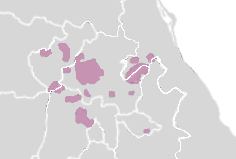
Otomi-speaking areas in Mexico
❤️ Social Structure
In Otomi communities, families are very important. ❤️ Families often work together, and grandparents play a big role in teaching children about Otomi customs and traditions. The community is closely-knit, and everyone helps each other out! 🤝They have leaders called "autoridades," who help guide decisions for the village. They work together to ensure everyone's voice is heard, showing the importance of cooperation. The Otomi value respect for elders and support among one another, which strengthens their communities! 🌟
Go deeper🏞️ History And Origin
The Otomi people have a long history that goes back over 2,000 years! 🏞️ They originally lived in what we now call Mesoamerica. The word "Otomi" comes from the Nahuatl language, which means "people who are forced to work." The Otomi resisted foreign invasions, including by the Aztecs and later the Spanish in the 1500s. 🇲🇽 They faced many challenges, including losing their land and culture, but they fought hard to keep their language alive. Today, it's a source of pride and identity for the Otomi people! 💪🌿
Go deeper🖌️ Art And Craftsmanship
The Otomi people are talented artists! 🖌️ They create beautiful textiles, pottery, and crafts that often have bright colors and intricate patterns 🌸. Many of these patterns tell stories or represent animals and nature. They also make wonderful embroidered clothes and blankets. 🧺Some Otomi artists use natural dyes made from plants to color their textiles, making their creations unique and special! By making art, they not only express their creativity but also keep their history and traditions alive through generations. 🎨✨
Go deeper🌄 Language And Dialects
Otomi has many dialects! Each area has its own unique way of speaking Otomi, like "Central Otomi" versus "Highland Otomi." 🌄 That's why some Otomi speakers might say words a bit differently. For example, the word for "water" is "nd'ä" in Central Otomi, while it can be "hu'ü" in Highland Otomi. 💧The Otomi language has sounds that are different from English, such as the glottal stop, which makes your throat go "uh-oh." 🎤 The language is not only special for communication, but it helps keep traditions alive and tells stories of history!
Go deeper🎉 Culture And Traditions
Otomi culture is rich and vibrant! 🎉They celebrate many traditional festivals, including the “Fiesta de las Flores,” which honors their ancestors and the beauty of nature. 🎊They wear colorful clothing, often handmade, that represents their heritage. The Otomi people also practice unique rituals and customs related to nature, like planting crops and celebrating crops' growth with colorful dances. 🌾Music is very important too! Instruments like the "trompeta" (trumpet) and "tlocotl" (a type of flute) fill their celebrations with joyful sounds! 🎶
Go deeper🌍 Modern Challenges And Issues
The Otomi people face challenges today. 🌍One major issue is losing their language. Many young Otomi prefer to speak Spanish to fit in with others. This can make it hard to keep their traditions alive! Another challenge is land rights. Some Otomi have lost their land for farming and growing food. 🌾They also face poverty, which affects their access to education and healthcare. However, the Otomi community is working hard to overcome these issues, ensuring their language and traditions are preserved for future generations! 💖
Go deeper🌳 Religion And Spiritual Beliefs
Otomi people have spiritual beliefs deeply connected to nature 🌳. They believe in a "creator" who has made everything around them, including animals, plants, and the earth. Their traditional beliefs often involve rituals, like offering gifts to the spirits of the land during special ceremonies, ensuring harmony and balance! 🌈They also celebrate Catholic traditions, as many Otomi people embraced Christianity while still respecting their ancient customs. This blend of traditions makes their spiritual life unique, fostering a connection between the past and present. ✝️✨
Go deeper📚 Conservation And Revitalization Efforts
To keep the Otomi language and culture alive, many initiatives are happening! 📚Schools in Otomi-speaking areas now teach the language to young children. 📖The community organizes workshops where elders share stories and teach traditional crafts to the younger generation! 🌈Various organizations are also working on cultural festivals to celebrate Otomi heritage, inviting people to join this beautiful community. By spreading awareness and love for the Otomi language and traditions, they hope to thrive and grow strong for future generations! 🤗🌿
Go deeper